Boat trips and whale watching in Tenerife
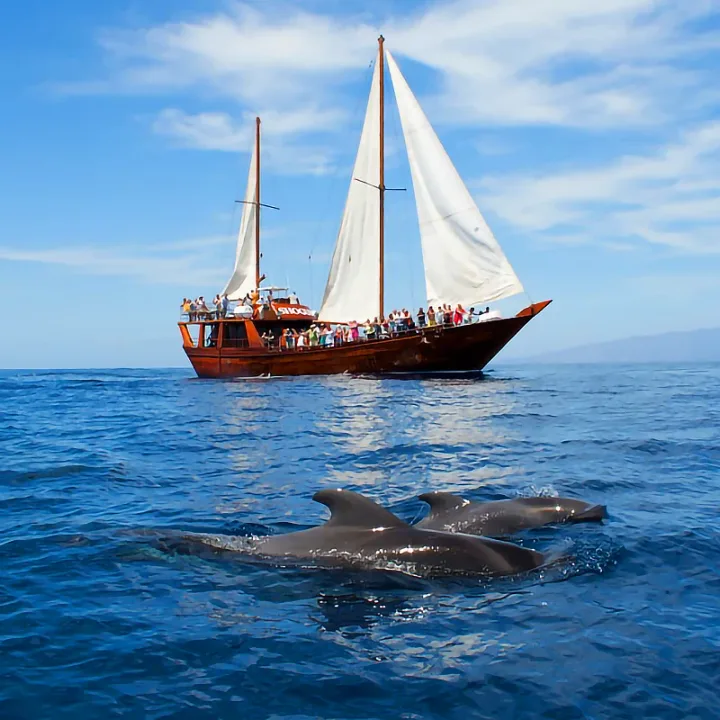
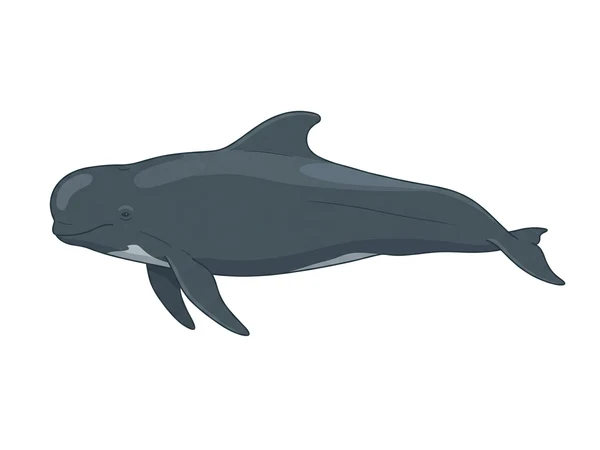
The southwest coast of Tenerife is one of the best places in the world for seeing whales and dolphins from a boat. Short-finned pilot whales and bottlenose dolphins live in the channel between Tenerife and La Gomera all year rather than passing through, which is what makes sightings routine here instead of a matter of luck. Twenty-one species occur regularly in Canary waters. There is a guide to what lives out there further down this page.
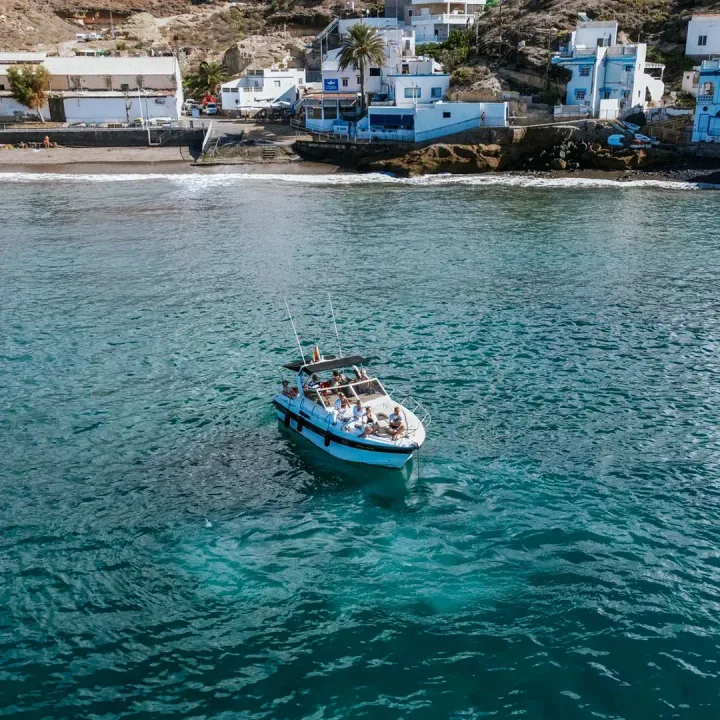
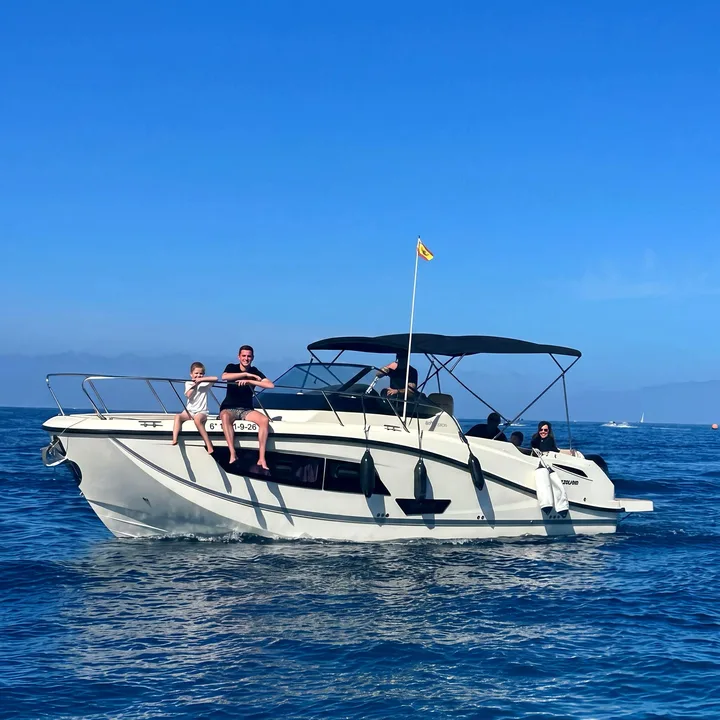
All our boat trips in Tenerife depart from Puerto Colón in Costa Adeje or from Los Cristianos harbour. Most last between 2 and 4.5 hours and include drinks, snacks, and a swimming stop in a sheltered bay. Browse the options above to compare boats, durations, and prices. Every booking comes with our Best Price Guarantee.
What kind of boat trip should I book?
The choice depends on your group, your budget, and how much time you have:
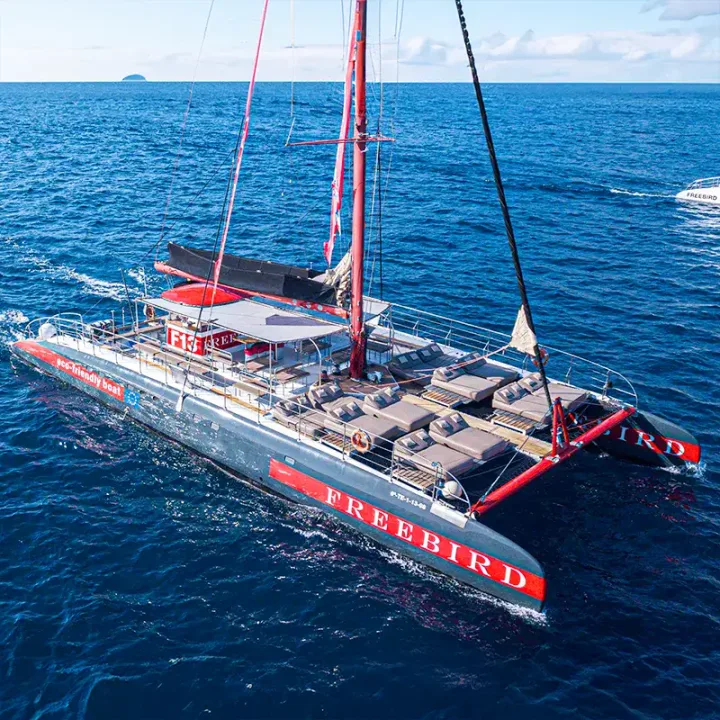
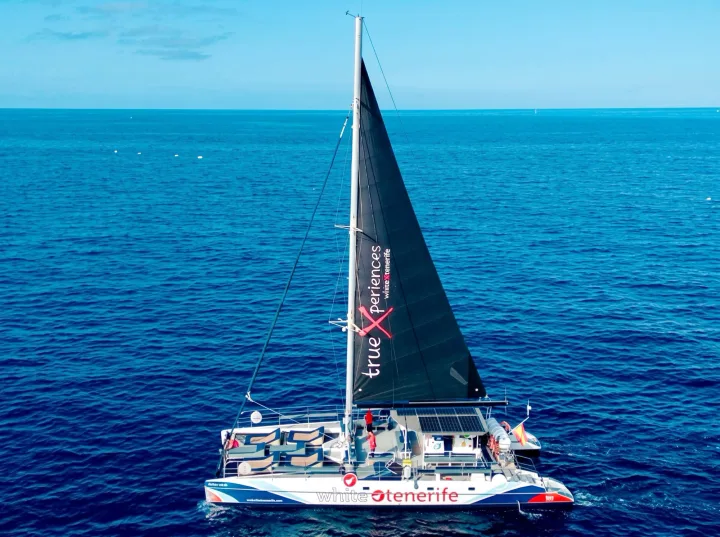
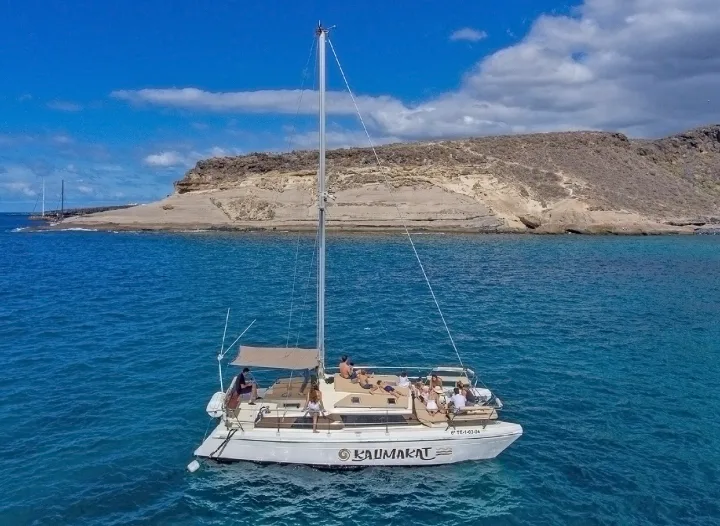
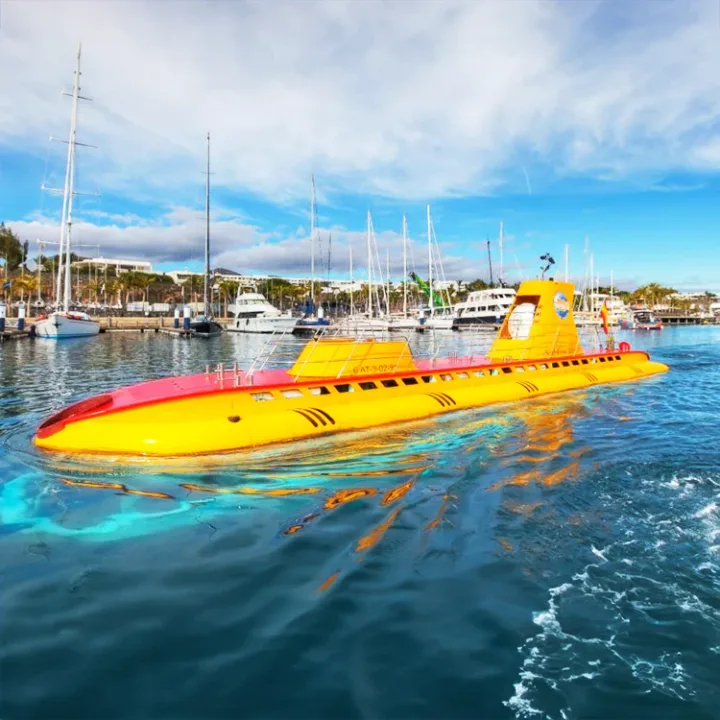
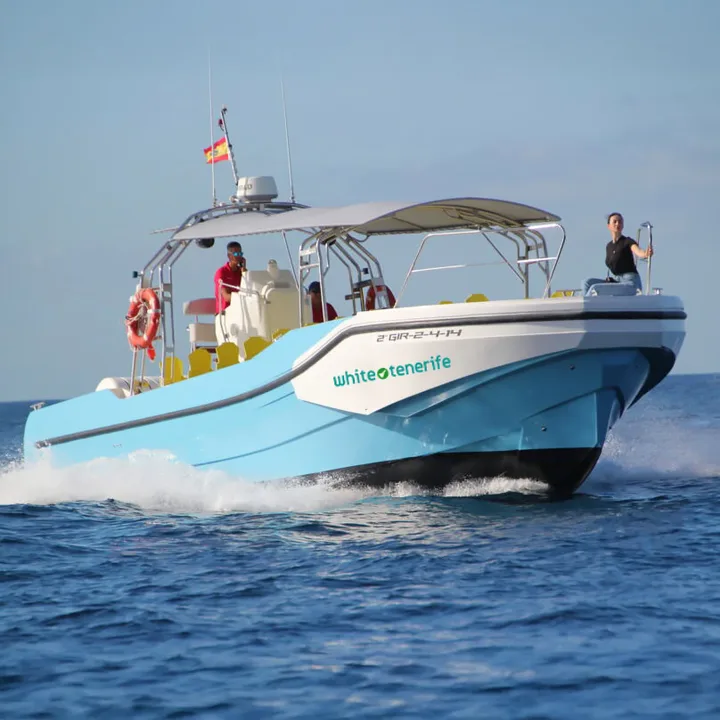
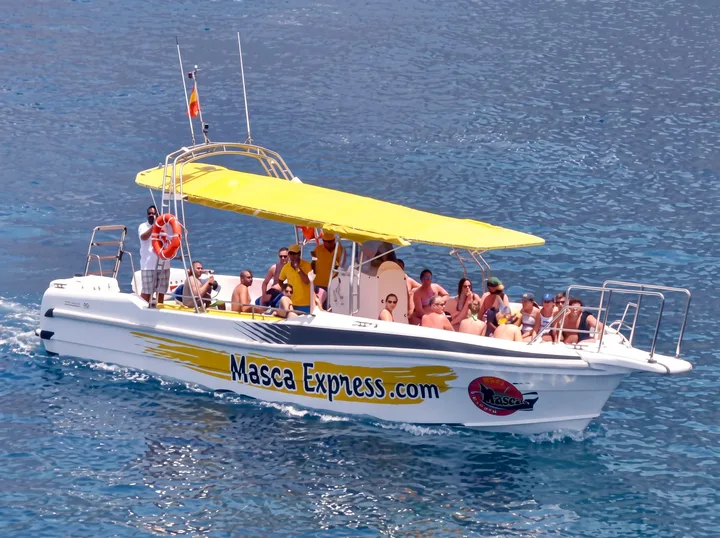
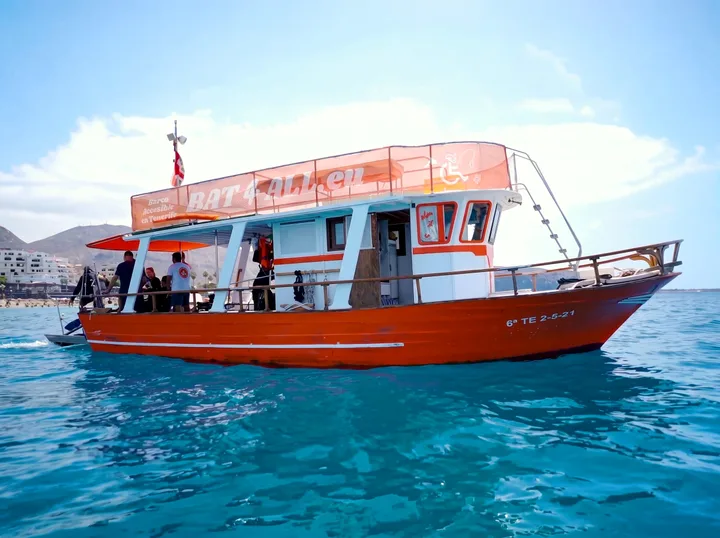
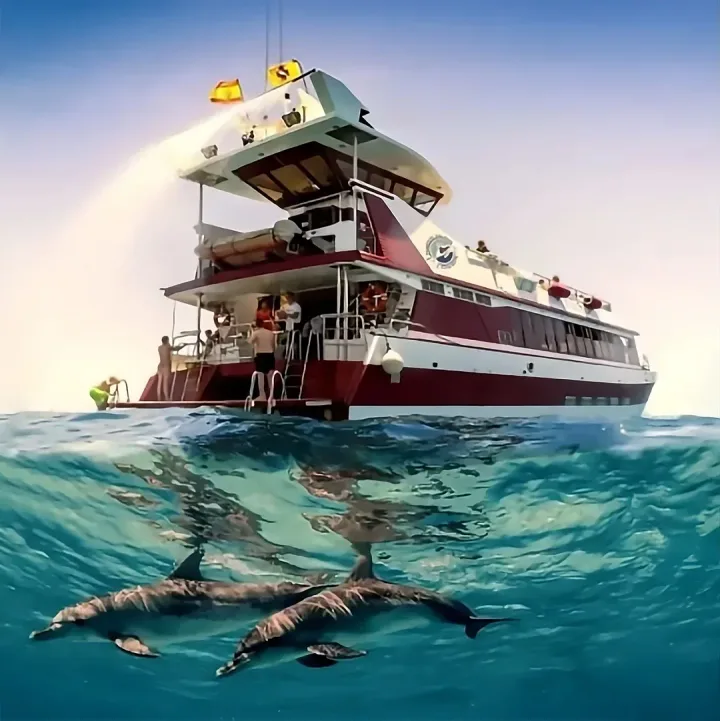
Large catamarans like the Freebird One and White Tenerife carry more passengers and are the most affordable option. They're good for families, include food and drinks, and have plenty of space to move around. Some have underwater viewing windows for spotting marine life below the surface.
Mid-size boats like the Royal Delfin offer a smaller group experience with a more personal feel. The Royal Delfin has underwater windows and glass panels in the hull.
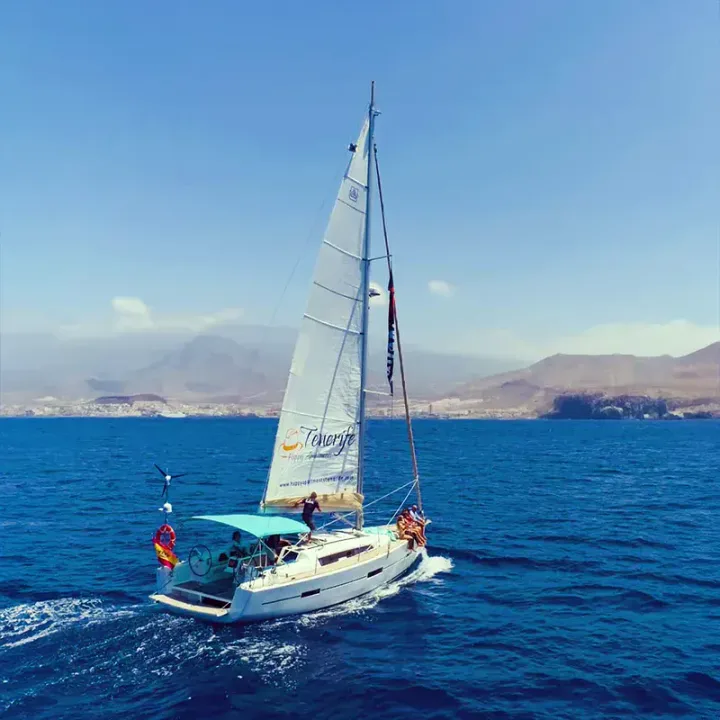
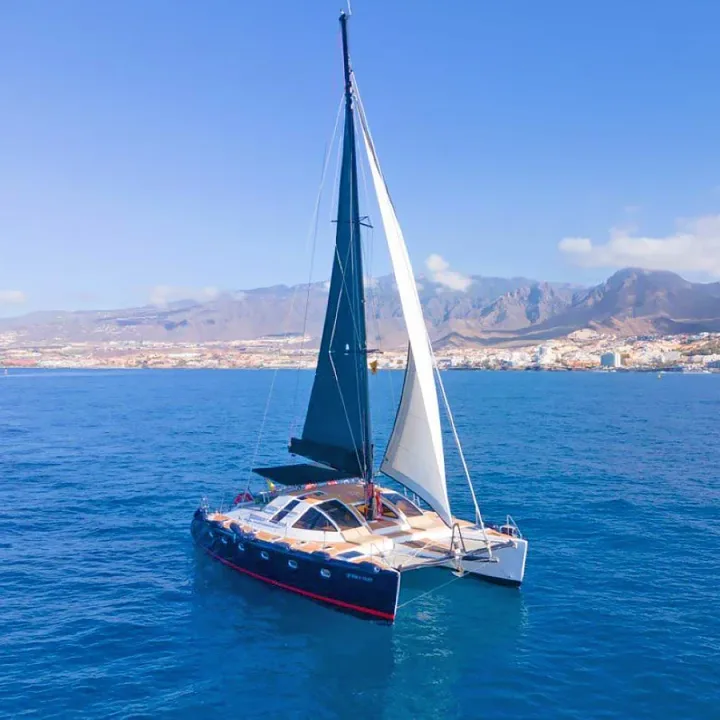
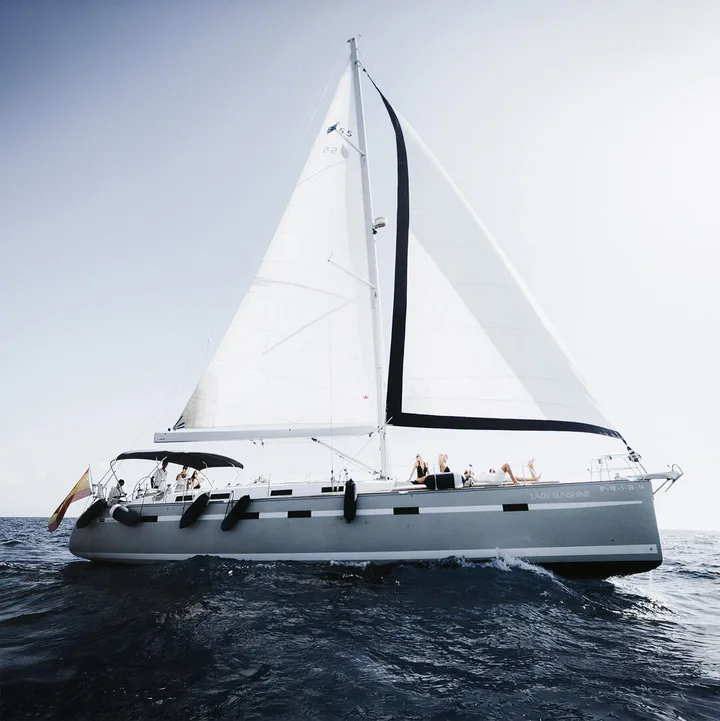
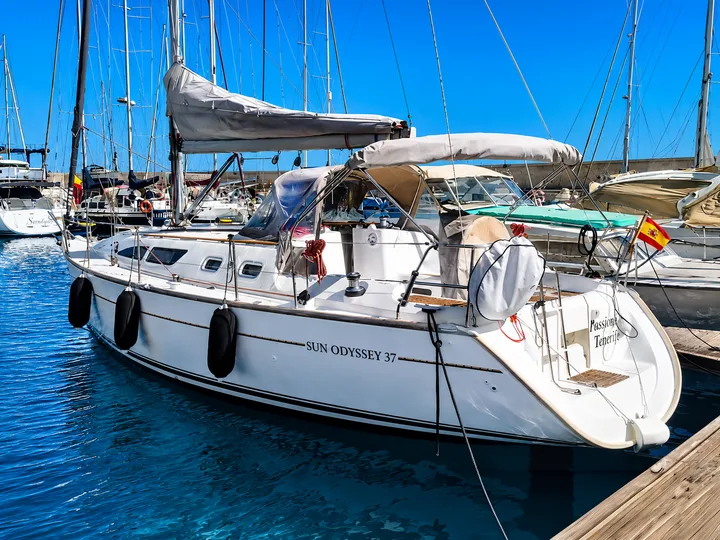
Sailboats like the sailboat tour offer a quieter, more relaxed experience under sail. Good for couples or anyone who prefers a calmer pace.
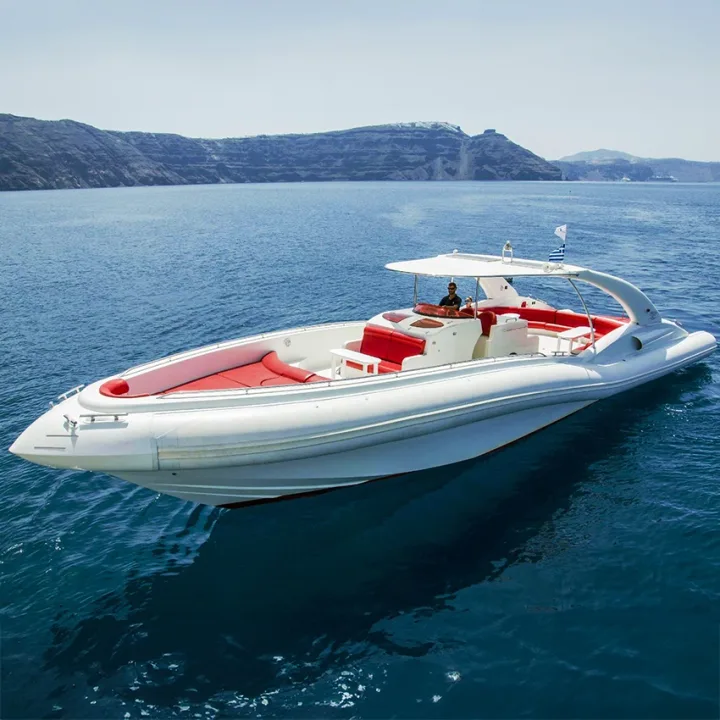
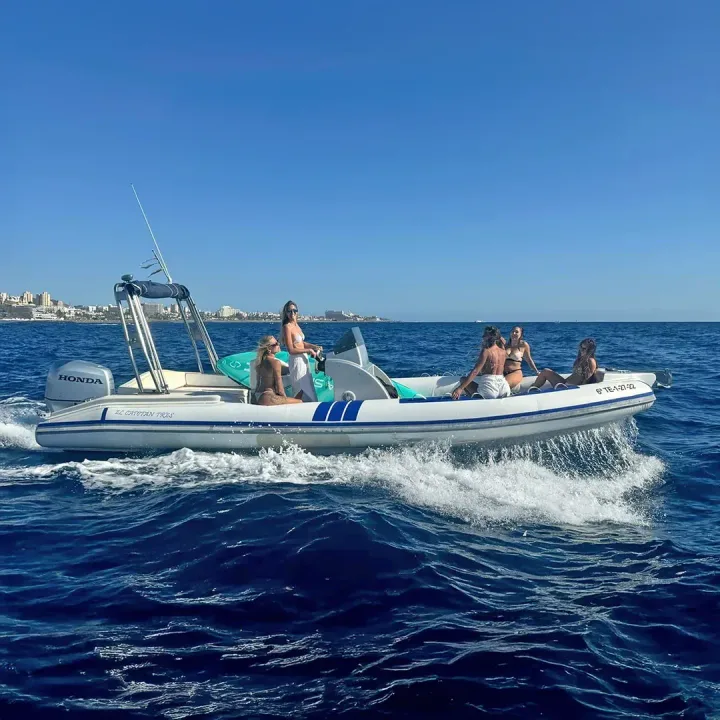
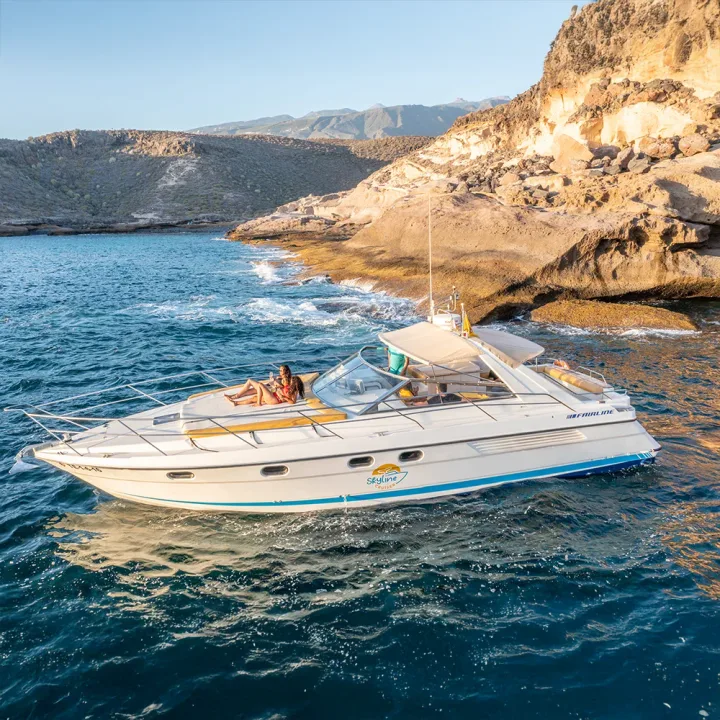
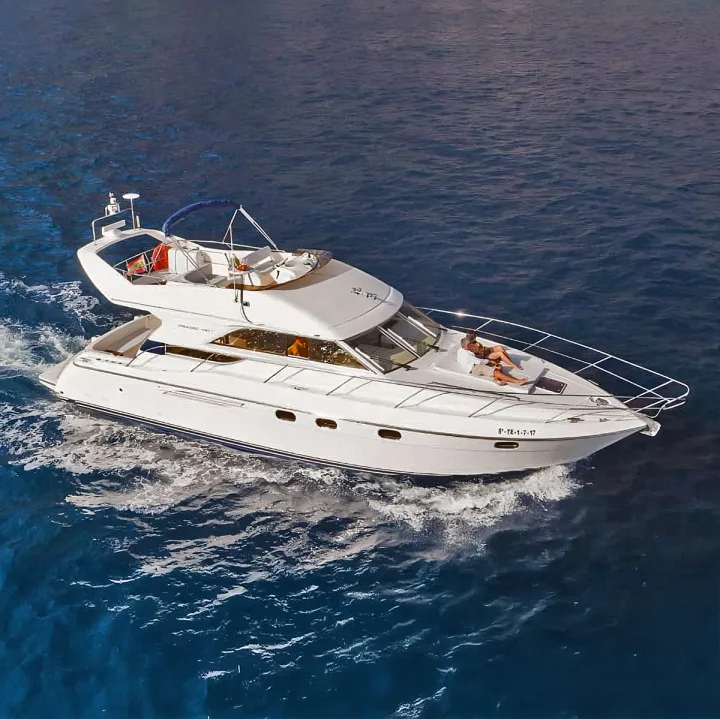
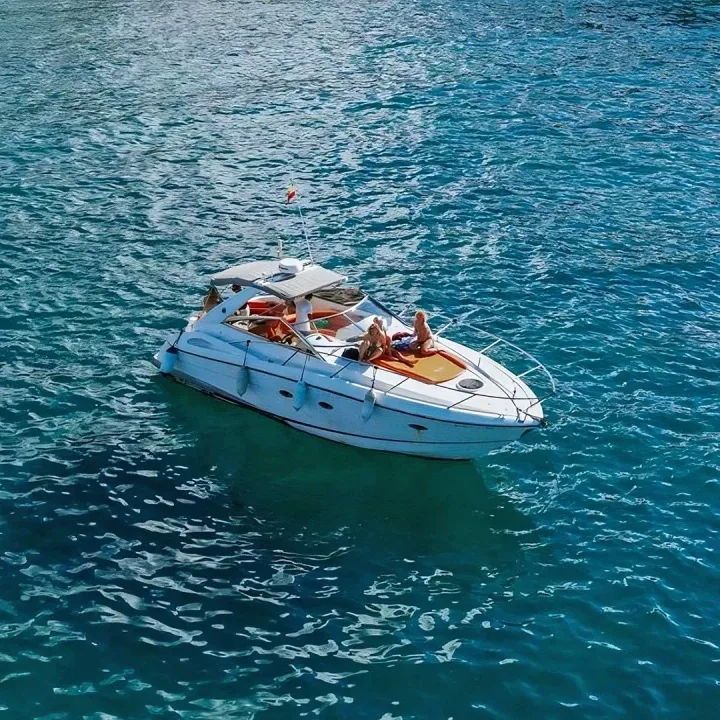
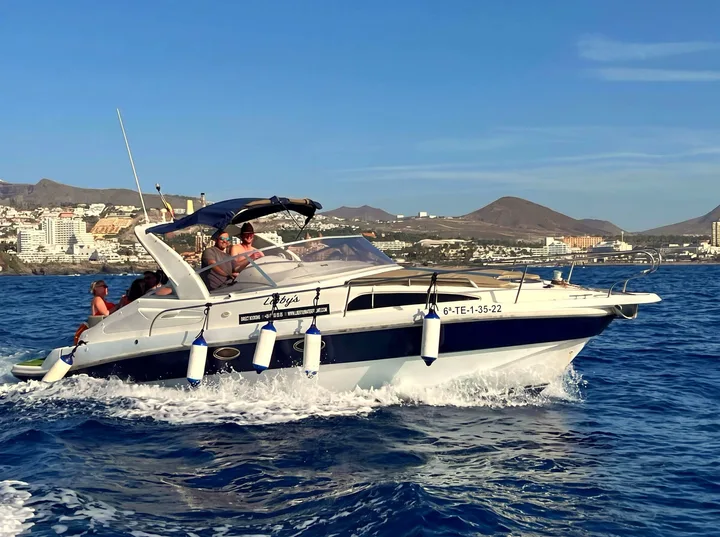
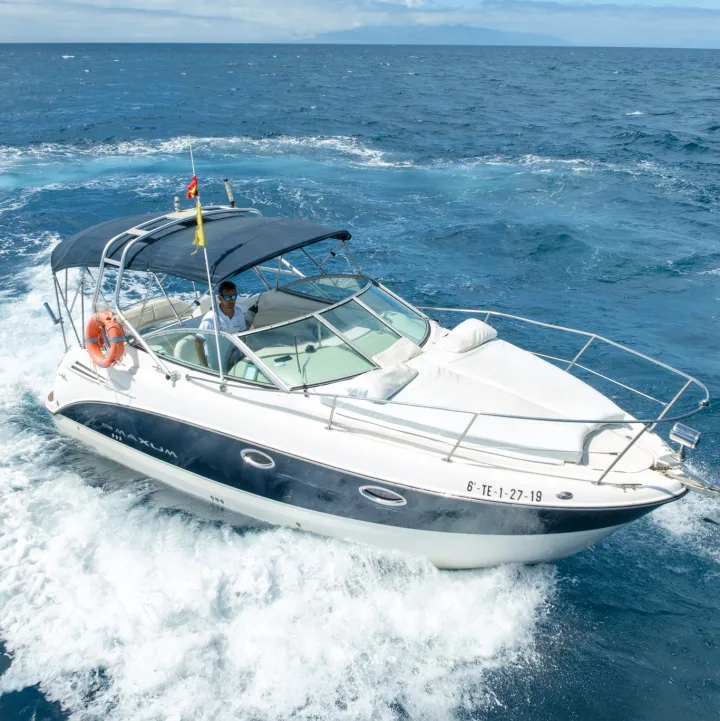
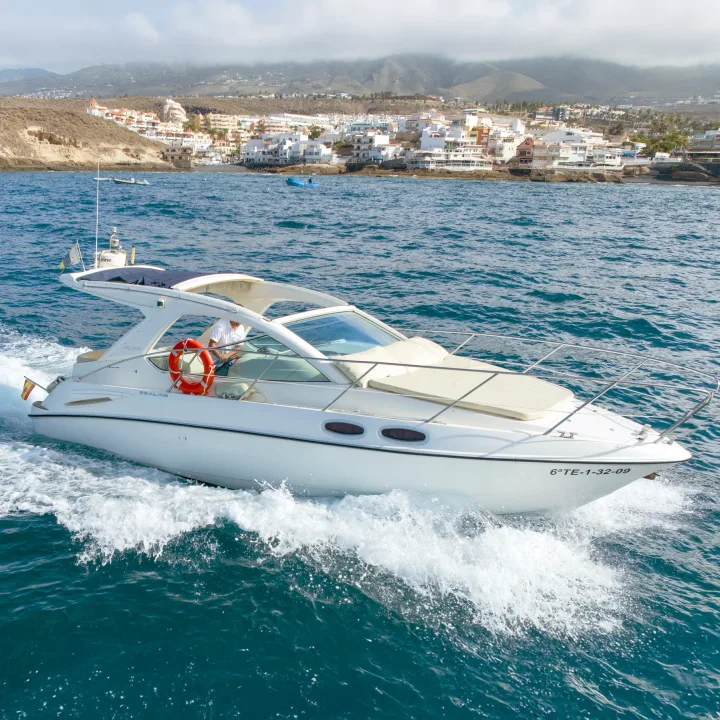
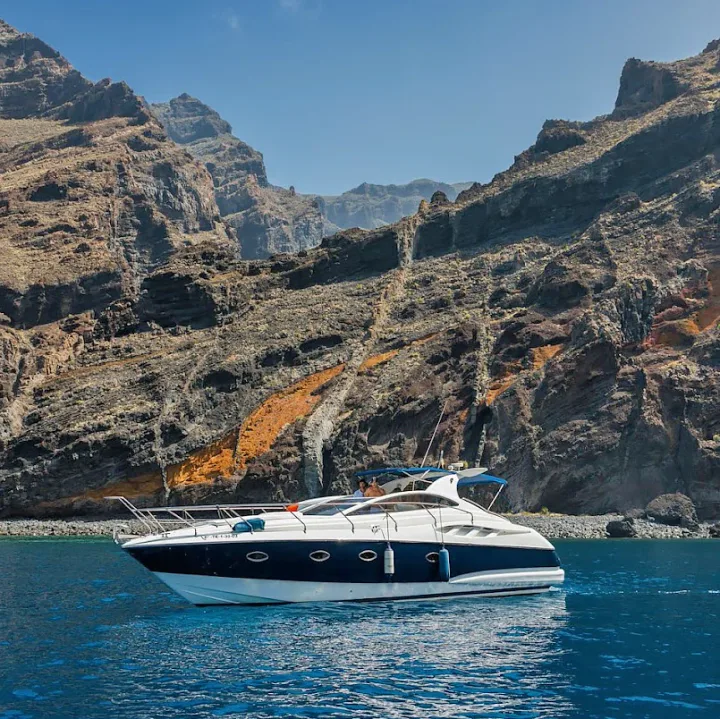
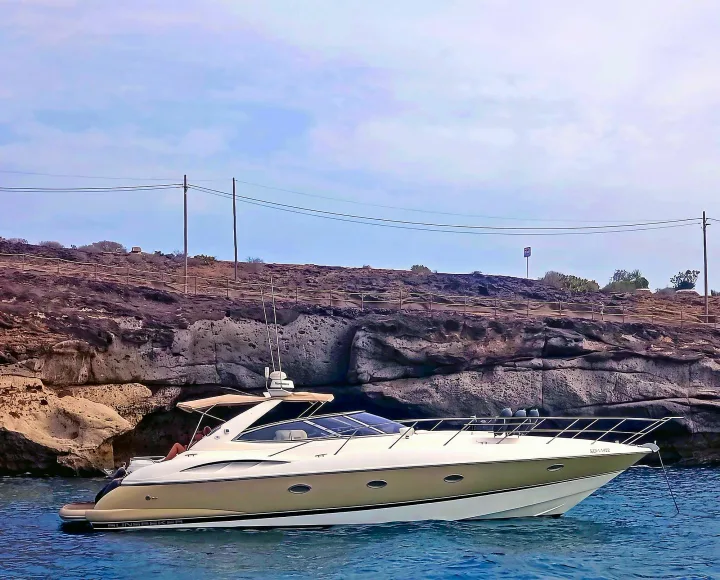
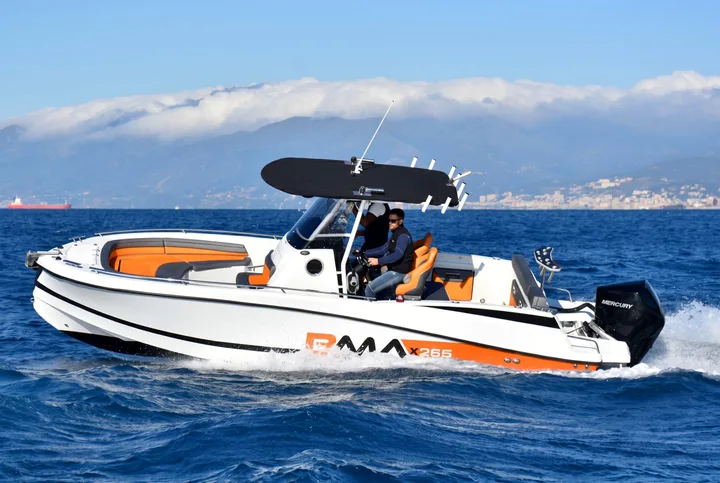
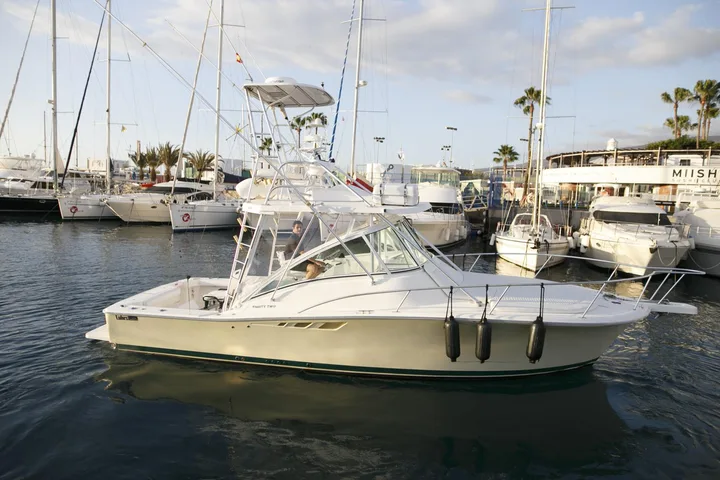
Private charters give you the entire boat to yourself. If you want privacy and flexibility, see our private boat hire section.
Whale and dolphin watching
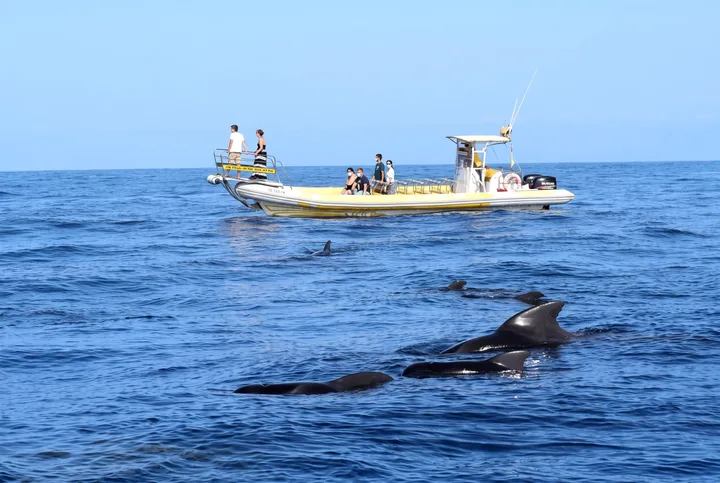
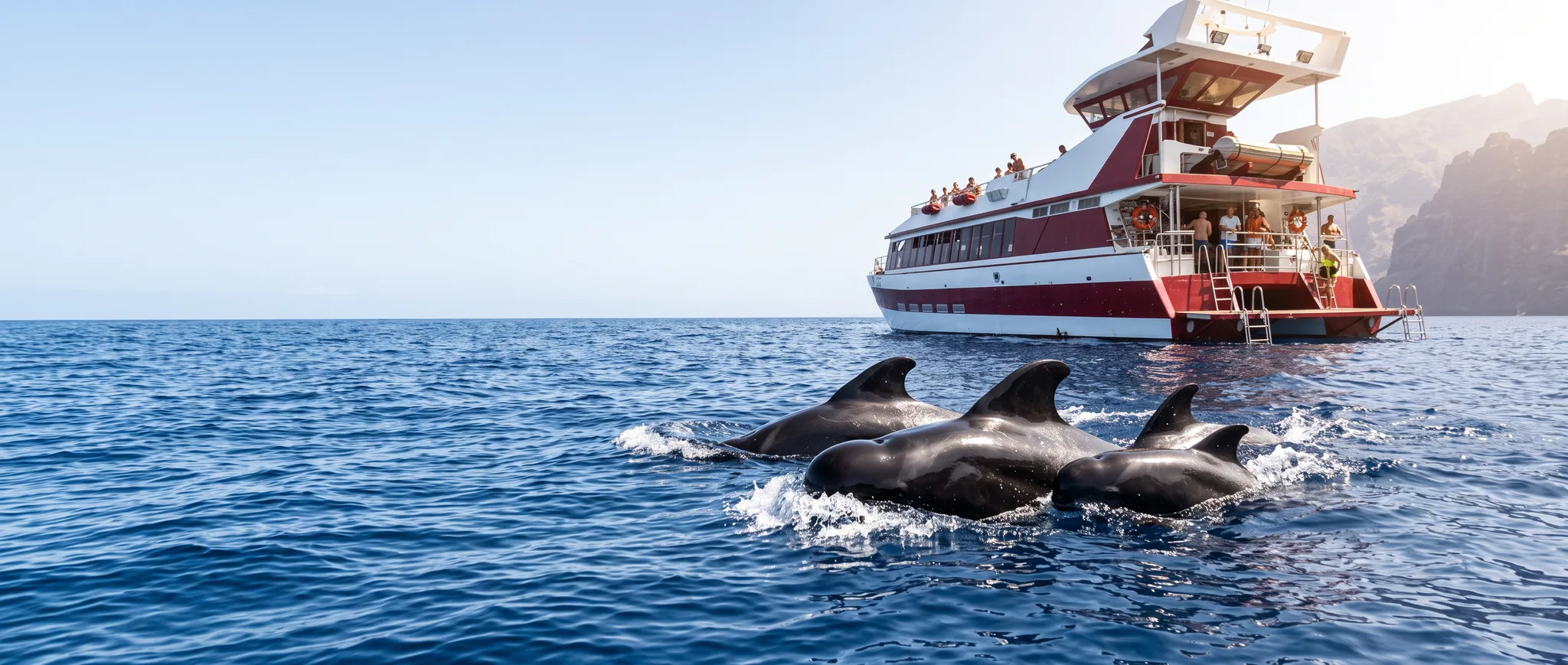
Every boat trip along the south coast of Tenerife passes through the whale and dolphin habitat, so sightings are included on virtually all excursions. You don't need to book a specific "whale watching tour" to see them. That said, the crew on every boat knows where to look and will adjust the route based on the latest sightings.
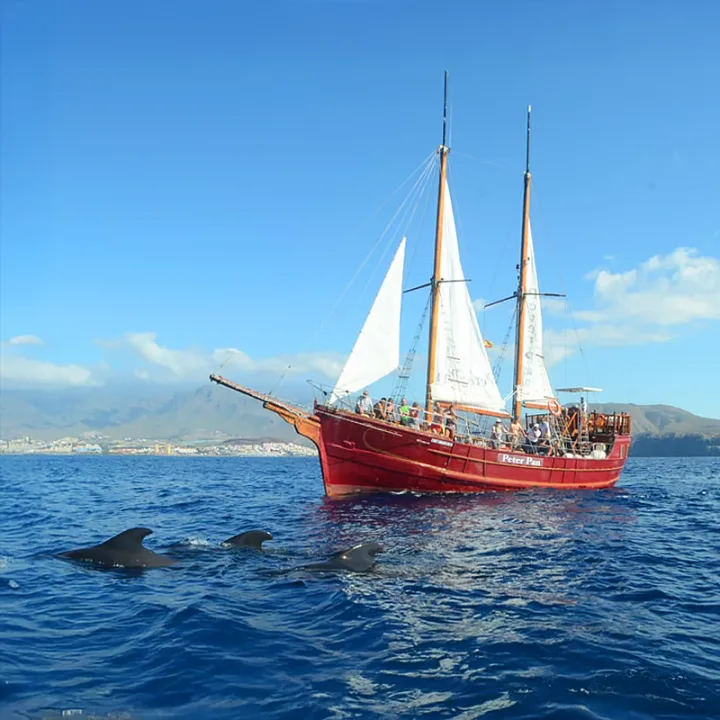
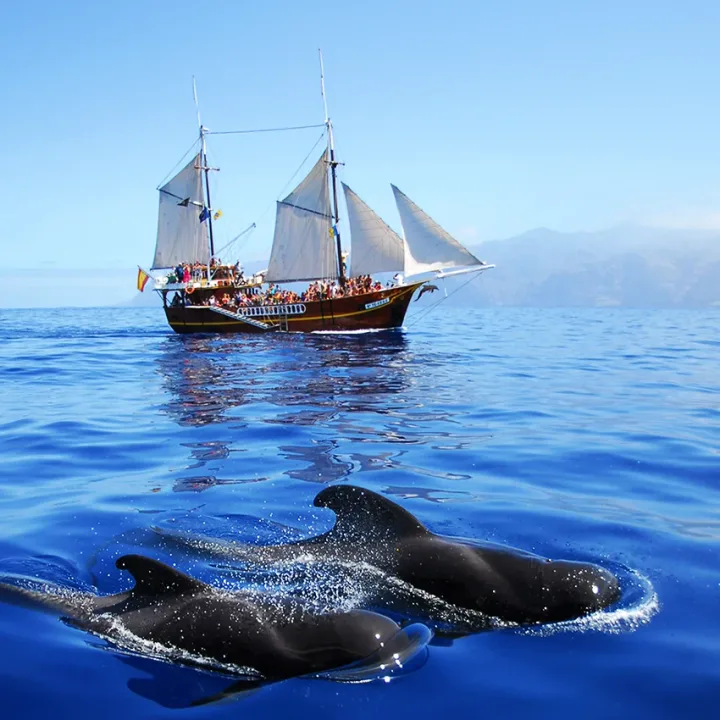
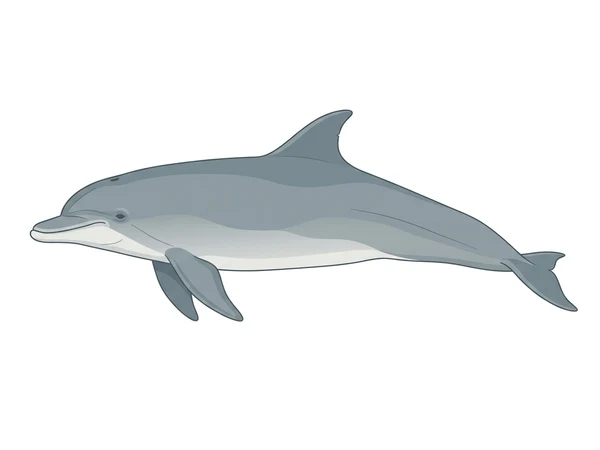
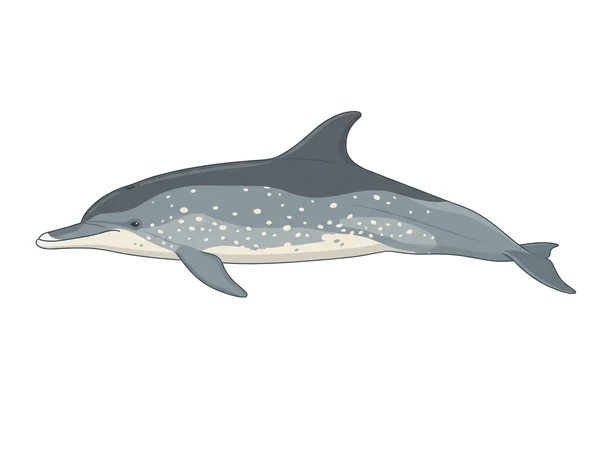
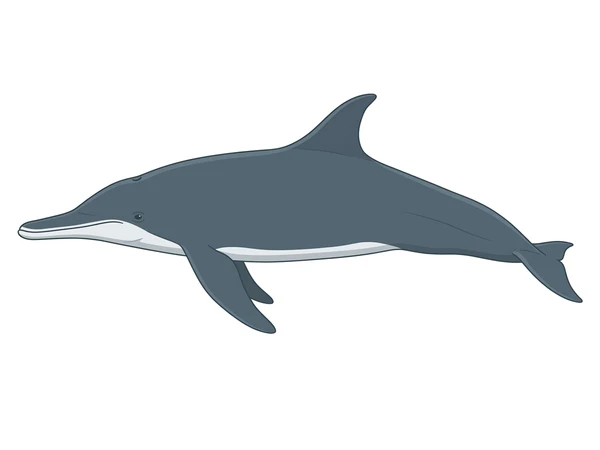
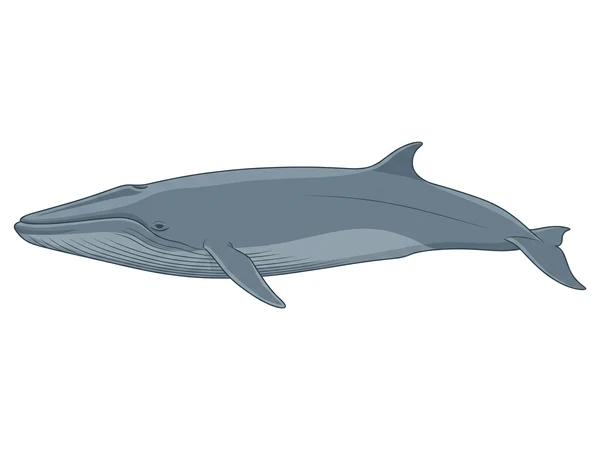
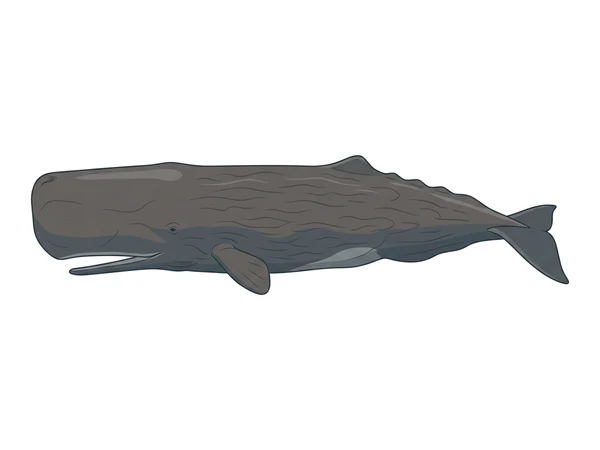
The most commonly seen species are short-finned pilot whales (resident, visible year-round) and Atlantic bottlenose dolphins. Depending on the season, you may also see spotted dolphins, common dolphins, or occasionally larger species like Bryde's whales and sperm whales.
All boats in our fleet operate under the Canary Islands' "Bandera Azul" whale watching regulations. This means maintaining minimum distances from the animals, limiting time near pods, and cutting engines when whales are close. Swimming with wild dolphins or whales is not permitted in the Canary Islands.
Practical details
Departure points. Puerto Colón marina (Costa Adeje) and Los Cristianos harbour. Both have parking available nearby. Most boats include hotel pickup from Costa Adeje, Playa de las Américas, and Los Cristianos.
Duration. Excursions range from 2 hours (coastal cruise with whale watching) to 4.5 hours (longer trips reaching the cliffs of Los Gigantes). Private charters can run up to a full day.
What's included. All excursions include at least drinks and snacks. Longer trips usually include a full meal (often paella or a cold buffet). Snorkelling equipment is provided on most boats.
Best time of day. Morning trips (10am to 12pm departures) tend to have calmer seas. Afternoon and sunset departures are also available and popular, especially in summer.
Sea conditions. The south coast is sheltered from the trade winds, so the sea is usually calm. On rare rough days, operators may reschedule or offer a full refund.
Children. Most boats accept children of all ages. The larger catamarans are the most comfortable option for families with young kids.
Not sure which trip to pick? Message us on WhatsApp or email with your dates, group size, and what matters most to you (price, group size, whale watching focus, or a specific boat style) and we'll recommend the best option.

 Boat Excursions