
The best hikes in Tenerife: trails, permits, and what to expect (updated April 2026)
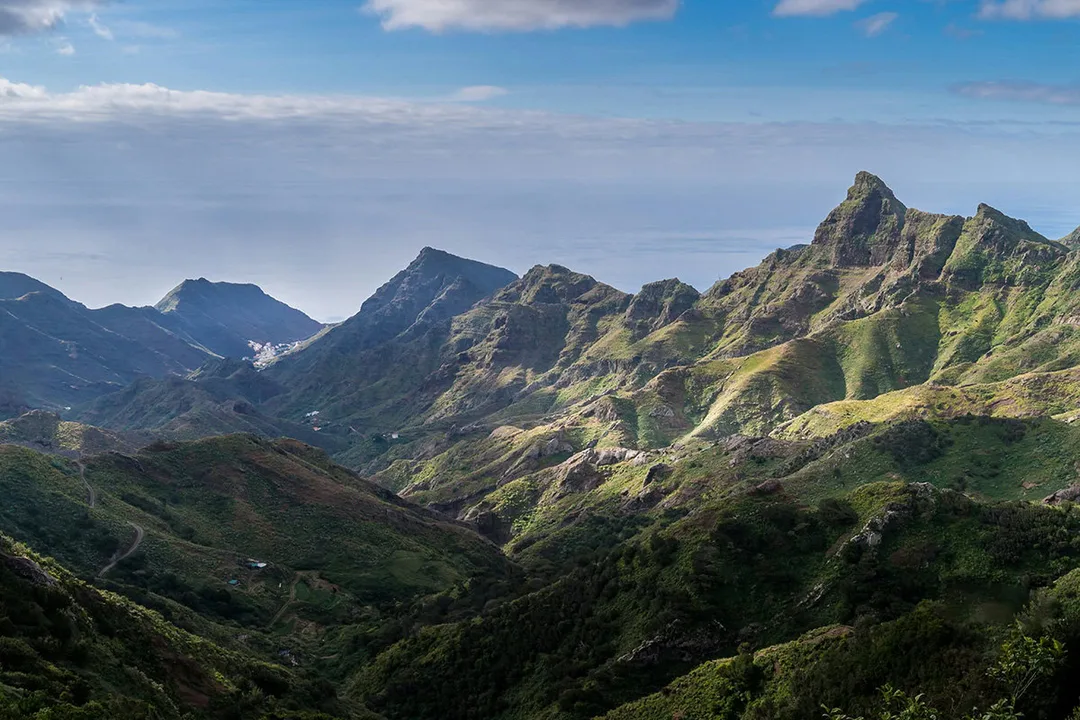
The best hikes in Tenerife: what each trail is like and what you need to know
Tenerife has some of the most varied hiking in Europe. Within an hour's drive you can go from walking through a subtropical laurel forest in the clouds to crossing barren volcanic rock at 2,000 metres to following a coastal path above the Atlantic. The island has over 1,500 km of marked trails, and the best of them are in protected natural areas with restricted access, so permits and planning are part of the deal.
This guide covers the main hiking areas, what each trail is actually like, and the practical details (permits, access, difficulty, what to bring) you need to plan your trip. Trail regulations in Tenerife changed significantly in late 2024 and 2026, so this is updated to April 2026.
Anaga Rural Park (northeast)
The Anaga mountains are a UNESCO Biosphere Reserve and home to one of the largest surviving laurel forests (laurisilva) in the world. These forests date back to the Tertiary period and are found at elevations between 600 and 1,000 metres, where clouds and mist keep the air humid year-round. The trails here wind through dense forest, along cliff edges, and down to remote beaches on the north coast.
Cruz del Carmen to Punta del Hidalgo. One of the most popular routes in Anaga. About 10 km, mostly downhill (you lose around 900 metres of elevation), taking 3 to 4 hours. The trail passes through laurel forest, open ridges with views of both coasts, and several small hamlets. Ends in the coastal town of Punta del Hidalgo, where you can catch a bus back. Moderate difficulty.
Sendero de los Sentidos (Path of the Senses). A short, easy loop (about 2 km) near Cruz del Carmen, suitable for families and people with limited mobility. It passes through dense laurisilva with interpretation panels. Good introduction to the Anaga forest if you don't have time for a longer hike.
El Pijaral (Enchanted Forest). About 6.7 km, medium difficulty. This trail goes through the most protected part of the laurel forest, where giant ferns (Pijara) grow up to 3 metres tall. Access is limited to 45 people per day and requires a free permit via TenerifeON. Book well in advance.
Chinamada to Punta del Hidalgo. A lesser-known route that passes through a troglodyte village (Chinamada, where people still live in cave houses) and descends to the coast. About 7 km, moderate to difficult.
Getting to Anaga. By car from Santa Cruz (30 minutes) or from the south (about 1.5 hours). TITSA bus lines 945 and 946 run from Santa Cruz to Cruz del Carmen. CanaryVIP's guided tours of north Tenerife include stops in the Anaga area.
Masca Gorge (northwest)
The Masca Gorge is probably the most famous hike in Tenerife. It's a one-way descent through a narrow volcanic canyon from the village of Masca (620m) down to a black sand beach, where a boat takes you to Los Gigantes. The trail is about 5 km, takes 3 to 4 hours, and is moderately difficult with some scrambling over rocks and boulders.
Access is strictly regulated (updated April 2026). Since April 2025, you must book in advance through the official website (caminobarrancodemasca.com). The reservation includes a mandatory shuttle bus from Santiago del Teide to Masca (you cannot drive to Masca for the hike) and a safety helmet that must be worn throughout.
Costs. The permit costs about €40 per person for a non-resident adult, and it now includes the mandatory shuttle bus from Santiago del Teide. The return boat from Masca beach to Los Gigantes is a separate booking, usually around €10 to €25 depending on the operator. Canary Islands residents pay a reduced rate (about €7.50) and Tenerife residents go free, but everyone must still reserve in advance.
Schedule. The gorge is open on certain days (check the official website as this varies). Descent slots start from 8:30am, with limited numbers every 30 minutes. Summer (March to October): 25 people per 30-minute slot. Winter: 30 people per slot from 8:30 to 10:30.
Requirements. Proper hiking boots are mandatory (they check at the entrance). Trainers and running shoes are not accepted. Bring at least 2 litres of water, food, and sun protection. Children under 8 are not allowed.
Is it worth it? Yes, if you like canyon hikes. The gorge walls are massive, the landscape changes constantly, and the beach at the end is a satisfying finish. The logistics are annoying and the price is steep, but the experience is genuinely impressive.
Barranco del Infierno (south, near Costa Adeje)
The easiest of the "permit required" hikes and the most accessible from the southern resorts. Barranco del Infierno ("Hell's Gorge") is a 6.5 km round-trip trail starting in the town of Adeje, following a ravine to Tenerife's highest permanent waterfall. Despite the name, it's a relatively gentle walk.
Permits. Required, booked via barrancodelinfierno.es. Limited to 300 people per day, with entry slots every 30 minutes. Entry: €11 adults, €5.50 children (5 to 12). Under-5s not allowed. Under-16s must be accompanied by an adult.
Hours. Summer (June 1 to September 15): entry 8am to 10:30am, park closes 2pm. Winter (September 16 to May 31): entry 8:30am to 11:30am, park closes 2:30pm.
Difficulty. Easy. Well-maintained path, no technical sections. The main challenge is heat and sun exposure in summer. A helmet is provided and must be worn.
Tips. Book the earliest slot you can. The trail gets hot quickly, especially in summer. Bring water (at least 1.5 litres) and sun protection. The waterfall at the end is worth it but can be reduced to a trickle in dry months.
Getting there. The trailhead is in Adeje town, about 10 minutes uphill from the centre. Parking is limited. If you're staying in Costa Adeje, you can walk or take a short taxi ride.
Teno Rural Park (northwest)
Teno is the quieter alternative to Masca (which is actually inside the Teno park). The trails here are less crowded and don't require permits (except Masca itself and Punta de Teno, which requires a bus reservation on weekends and holidays).
Punta de Teno. The westernmost point of Tenerife. A short walk from the car park/bus stop to a lighthouse with views of the Los Gigantes cliffs and La Gomera. Access by private car is restricted on weekends and holidays (shuttle bus from Buenavista del Norte instead).
Erjos to Las Portelas. A beautiful trail through the Teno mountains, about 8 km, moderate difficulty. Passes through rural hamlets, terraced hillsides, and laurel forest patches.
Coastal walks (south)
For easy, flat walking with ocean views:
Los Cristianos to Palm-Mar. About 5 km along the coast, passing through volcanic rock formations, small coves, and natural pools. Mostly flat, suitable for families. No permit needed. You can catch a bus back from Palm-Mar.
Costa Adeje promenade. The seafront path from Playa del Duque to Los Cristianos (about 7 km) connects all the main southern beaches and is paved the entire way. Not exactly a hike, but a pleasant walk with plenty of stops for food and swimming.
La Caleta to Diego Hernandez. A 20 to 30 minute coastal path from La Caleta village to a hidden beach (covered in our beaches guide). Rocky terrain, bring proper shoes.
What about Mount Teide?
Teide deserves its own guide because the permit system is complex and changed significantly in 2026. We cover it in detail in our complete guide to visiting Mount Teide, including trails, permits (TenerifeON), cable car, and preparation.
The short version: the Roques de Garcia trail (no permit, easy, 1.5 hours) is the best option for most visitors. The summit requires permits booked via TenerifeON weeks in advance, proper mountain gear, and good fitness.
What to bring on any hike in Tenerife
Water. Minimum 1.5 litres for short hikes, 2+ litres for longer ones. There are no water sources on most trails. Dehydration is the most common problem, especially in the south.
Proper footwear. Hiking boots or shoes with good grip. Rangers at Masca, Barranco del Infierno, and Teide check your shoes and will turn you away if they're not adequate. Trainers are not accepted on regulated trails.
Sun protection. Hat, sunscreen (factor 50 at altitude), sunglasses. Tenerife is at 28°N and the UV is strong year-round, especially above 1,000 metres.
Layers. Weather changes fast with altitude. It can be 25°C at the coast and 5°C at Teide. In Anaga, the cloud forest can be cool and damp even when the south coast is hot and sunny.
Food and snacks. There are no shops or cafes on the trails. Bring enough for the duration.
ID/passport. Required for permit checks at regulated trails (Masca, Barranco del Infierno, Teide, El Pijaral).
Cash. Some trailhead facilities (helmet rental, parking) may not accept cards.
Guided hiking tours
If you prefer not to deal with permits, transport logistics, or navigation, CanaryVIP offers several options that include everything:
Guided bus tours covering north Tenerife (Anaga, La Laguna, Icod de los Vinos, Garachico) with hotel pickup.
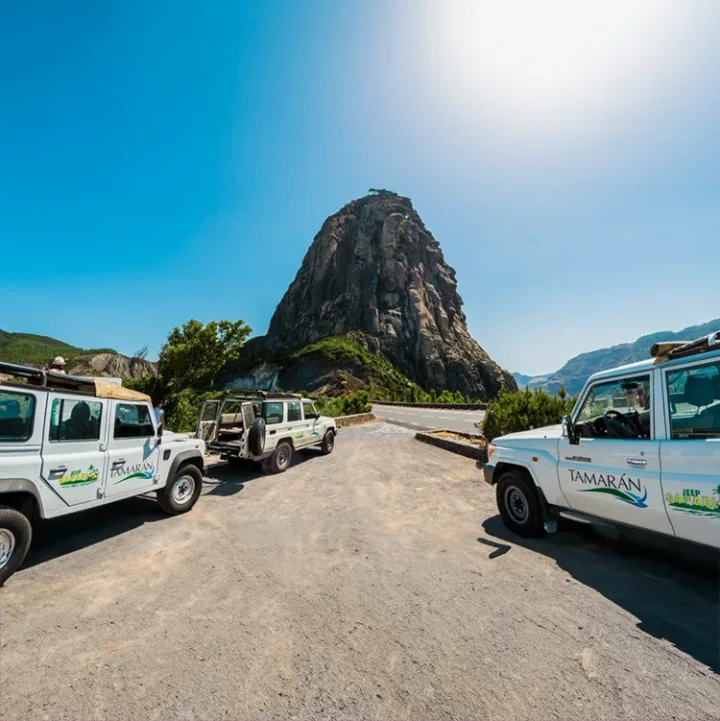
Jeep tours reaching more remote areas like the Teno mountains and Masca village.
Teide guided tour with optional cable car (Tue, Wed, Sat, Sun, ~7 hours).
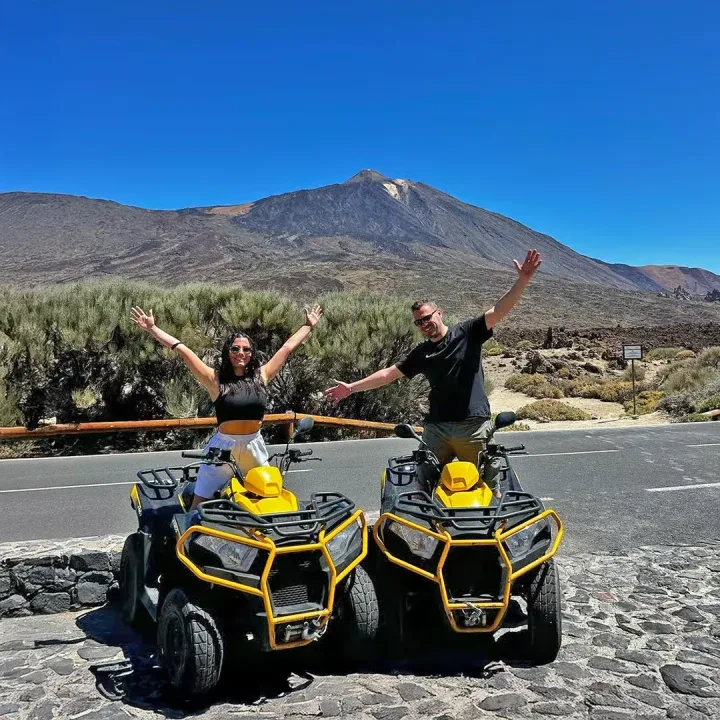
Teide Quad Safari through the volcanic landscape (3 hours, automatic quads).
All bookings include Best Price Guarantee and hotel pickup.
Related experiences
 Fun Activities
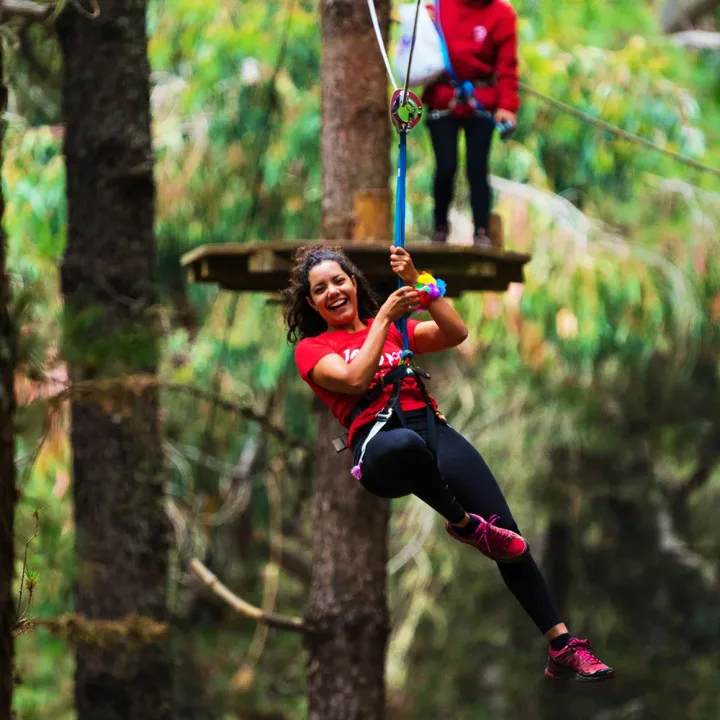
 Forestal Park Tenerife
- 90+ treetop challenges
- La Esperanza pine forest
- Safety gear provided
 Fun Activities SALE
 Teide Quad Safari Tenerife
- Teide National Park
- 3-hour tour
- Morning or sunset
 Guided Tours SALE
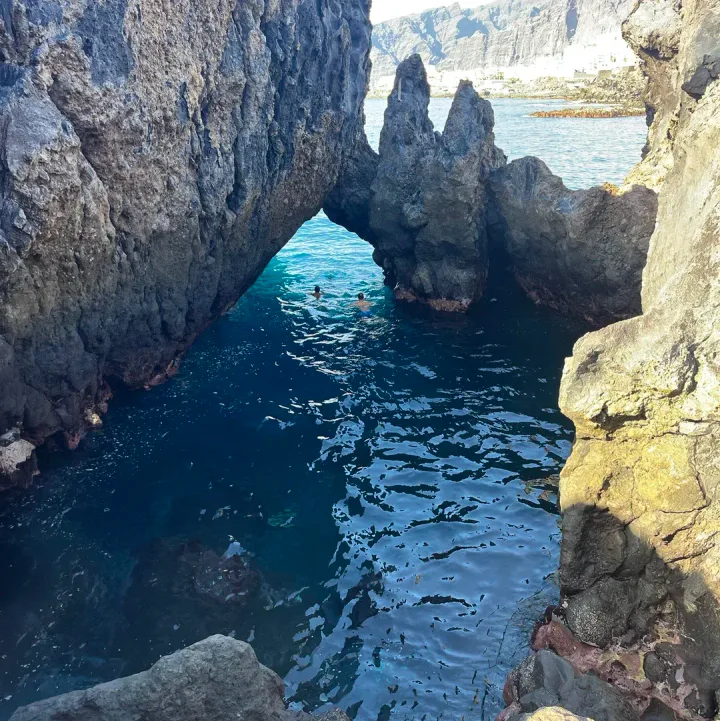
 Natural Pools Tour
- Swim in natural pools
- Visit Masca
- Los Gigantes cliffs
 Guided Tours
 La Gomera Jeep Safari
- Free hotel pickup
- Lunch included
- Garajonay Park