
Natural Parks of Tenerife: A Guide to the Island's Protected Areas
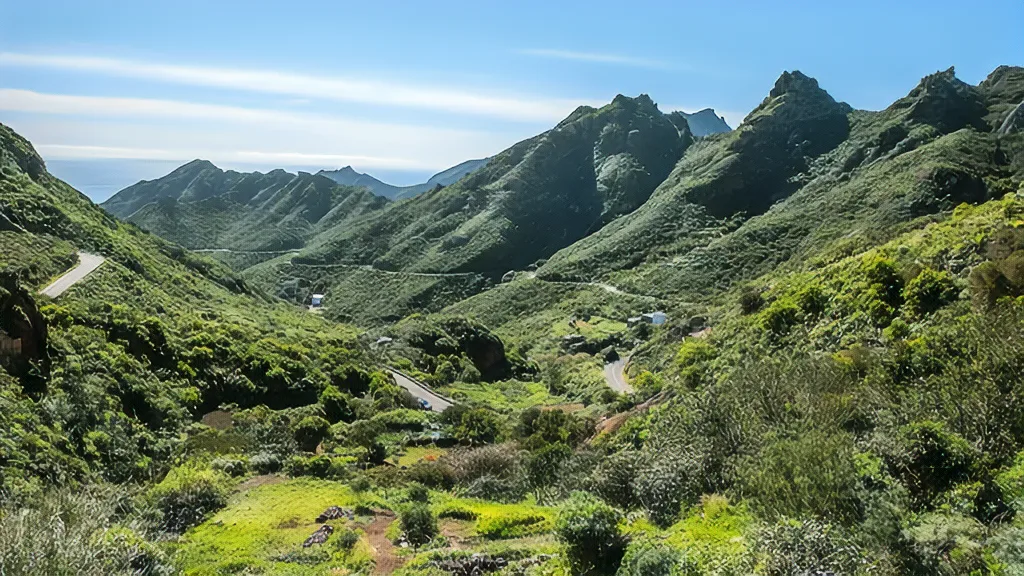
Natural parks of Tenerife: a guide to the island's protected areas
Tenerife has 43 protected natural areas covering roughly 48% of the island's surface. That's almost half of Tenerife designated as some form of protected land, from the volcanic moonscape of Teide National Park to the ancient laurel forests of Anaga. For an island that's mostly known abroad for its beaches, this is the part that really sets it apart from other European destinations.
This guide covers the four main parks (Teide National Park, Corona Forestal Natural Park, Anaga Rural Park, Teno Rural Park) plus the most important nature reserves and how to visit them. Real data, no fluff.
Tenerife's protected areas at a glance
Tenerife's protected natural areas fall into different categories under Spanish and Canarian law:
1 National Park: Teide National Park (the highest level of protection, managed by the Spanish state).
1 Natural Park: Corona Forestal (the largest protected area in the Canary Islands, encircling Teide).
2 Rural Parks: Anaga and Teno (areas where conservation coexists with traditional rural communities).
4 Integral Nature Reserves: Ijuana, Pijaral, Roques de Anaga, and Pinoleris (highest restriction, very limited access).
6 Special Nature Reserves: Malpais de Guimar, Montana Roja, Malpais de la Rasca, Barranco del Infierno, Chinyero, and Las Palomas.
Plus 13 natural monuments, protected landscapes, and sites of scientific interest.
Together, this network protects almost half of the island. Tenerife also has two UNESCO designations: Teide National Park (World Heritage Site since 2007) and Anaga (Biosphere Reserve since 2015). The historic city of San Cristobal de La Laguna is the third UNESCO site on the island.
Teide National Park
Declared: 1954 (the third oldest national park in Spain). UNESCO World Heritage: Since 2007. Area: 18,990 hectares. Highest point: Mount Teide, 3,718 metres (the highest peak in Spain and the third highest volcanic structure in the world from its base on the ocean floor).
The crown jewel of Tenerife's protected areas. Teide is an active volcano (last erupted in 1909, at the Chinyero vent on its west flank) and the park around it is one of the most visited national parks in the world, with over 4 million visitors per year.
The landscape is genuinely unlike anywhere else in Europe. Inside the Caldera de Las Canadas (a 17 km wide volcanic crater), you'll see lava flows of different ages and colours, twisted rock formations like the famous Roques de Garcia, and a strange high-altitude desert vegetation. Plants like the tajinaste rojo (red bugloss) bloom in May and June, sending tall red spikes up across the volcanic ground.
What you can do:
- Drive the TF-21 road across the park (free, spectacular)
- Take the cable car (Teleferico del Teide) to 3,555m near the summit
- Hike the trail to the actual summit at 3,718m (requires a free permit, book months in advance)
- Hike around Roques de Garcia (4 km loop, easy, doable by anyone)
- Go to the Visitor Center at El Portillo
- Stargazing at night (the park has some of the clearest skies in the world)
How to get there: By car via TF-21 from the south (around 1 hour from Costa Adeje) or TF-24 from La Laguna in the north. The TITSA bus 348 runs from Puerto de la Cruz and 342 from Costa Adeje, but services are limited. Most tourists visit via guided bus tours with hotel pickup.
Important: Temperatures at altitude can be 15 to 20°C cooler than on the coast, with snow possible in winter. See our packing guide.
Corona Forestal Natural Park
Declared: 1987. Area: 46,612 hectares (466 km²). Status: The largest protected natural area in the Canary Islands.
Corona Forestal forms a continuous "crown" of forest around Teide National Park, encircling the entire upper third of the island. Its name literally means "forest crown". You drive through it whenever you head up to Teide from any direction.
The park protects Tenerife's largest forests, mostly Canary Island pine (Pinus canariensis), a remarkable native species that can survive forest fires and resprout from blackened trunks. There are also areas of laurel forest, high-mountain scrubland, and a remarkable diversity of endemic plants.
Geologically, Corona Forestal contains evidence of all the main phases of Tenerife's volcanic history. The Siete Fuentes, Fasnia, and Arafo eruptions of 1704 to 1705 are visible here, as is the much more recent Chinyero eruption of 1909.
What you can do:
- Drive through it on the way to Teide (the road through pine forest is part of the experience)
- Hike the GR-131 long-distance trail
- Visit the Lunar Landscape (Paisaje Lunar) trail from Vilaflor: distinctive eroded white volcanic rocks
- Walk through Volcan Chinyero, Tenerife's most recent volcano
- Picnic in pine forest recreation areas (free, with tables and BBQs)
How to get there: Combined with any visit to Teide. Multiple access points from the TF-21, TF-24, TF-38, and TF-82 roads.
Anaga Rural Park
Declared: 1994. UNESCO Biosphere Reserve: Since 2015. Area: 14,419 hectares. Distinction: Has the largest number of endemic species in Europe.
Anaga occupies the rugged northeast tip of Tenerife and is one of the oldest parts of the island geologically (around 7 to 9 million years old, compared to Teide's much younger volcanic activity). The result is a landscape of sharp ridges, deep ravines, hidden coves, and slow-eroded peaks.
The standout feature is the laurisilva (laurel forest), a type of subtropical cloud forest that once covered much of southern Europe and North Africa during the Tertiary period (around 40 million years ago). Most of it disappeared during the Ice Ages, but it survived in the Canary Islands, Madeira, and the Azores. Walking through Anaga's misty laurel forests is the closest thing in Europe to seeing a prehistoric ecosystem.
The park also includes traditional villages where rural Canarian life continues largely unchanged: Taganana, Almaciga, Roque Bermejo, El Draguillo, Las Carboneras, Chinamada (where some houses are still carved into the cliffs).
What you can do:
- Hike the Sendero de los Sentidos (Path of the Senses) from Cruz del Carmen, the most accessible laurel forest walk
- Drive the spectacular TF-12 ridge road from La Laguna
- Visit Taganana for lunch in a traditional restaurant
- Hike to Playa de Antequera (10 km return, strenuous, but reaches one of Tenerife's most isolated beaches)
- Hike Roque de Taborno (5 km loop, moderate)
- Stop at viewpoints: Mirador del Bailadero, Mirador de Jardina, Pico del Ingles
- Reach Benijo beach for the sunset
How to get there: By car from La Laguna or Santa Cruz, taking the TF-12 ridge road. TITSA buses 077 and 273 from La Laguna serve some of the villages but with limited frequency. Jeep tours are a good option if you don't want to drive the narrow mountain roads.
Teno Rural Park
Declared: 1987. Area: 8,063 hectares.
Teno is the geological twin of Anaga: the second oldest part of Tenerife, in the northwest corner. Where Anaga is humid laurel forest, Teno is drier with cliffs falling into the sea, deep ravines, and traditional terraced agriculture. The famous village of Masca sits inside Teno.
The park includes the Punta de Teno lighthouse at the westernmost tip of the island, the towering Acantilados de Los Gigantes (cliffs reaching 600m above sea level), and the Masca Gorge (a steep ravine that descends from the village to the sea).
Note on Masca: the famous Masca Gorge trail was closed in 2018 after rockfalls and has reopened with a permit and quota system. You can still visit Masca village by road. The hiking trail down the gorge requires online booking and a small fee.
What you can do:
- Drive the spectacular road from Santiago del Teide to Masca (one of the most dramatic in Spain)
- Hike the Masca Gorge with a permit (book in advance)
- Visit Punta de Teno lighthouse (the road has restricted access, accessible by bus shuttle from Buenavista del Norte during peak times)
- Hike around Tamaimo and Montana de Guama
- View the Acantilados de Los Gigantes from a boat trip
- Stop at the Mirador de Cherfe for views over Teno
How to get there: By car from the northwest (Santiago del Teide, Buenavista del Norte). Public transport is very limited.
Special nature reserves worth visiting
Beyond the four main parks, Tenerife has several nature reserves that are worth a visit:
Malpais de Guimar. A 290-hectare lava field on the east coast formed by relatively recent volcanic activity. Easy walking trails, almost no visitors, unique endemic flora. Free access. Near the town of Guimar.
Montana Roja. A 171-metre red volcanic cone on the south coast next to El Medano. The hike to the top is 2 km and gives panoramic views over El Medano, Playa de la Tejita, and (on clear days) Mount Teide in the distance. Free access.
Barranco del Infierno (Adeje). A protected ravine in the south of the island with one of the few permanent waterfalls on Tenerife. The hike requires booking ahead (€8.50 entry, limited daily visitors). About 6 km return. The ravine has indigenous Guanche heritage and unique flora.
Chinyero (Santiago del Teide). The youngest volcano in Tenerife, last erupted in 1909. A circular hike around the cone is 5 km, easy, and crosses fresh-looking black lava fields. Free access.
Malpais de la Rasca. Another lava field reserve, this one on the south coast near Palm-Mar. Includes the Faro de la Rasca lighthouse. Quiet and arid, with cardones (giant Canarian succulents) and other dryland plants.
Marine protected areas
The waters around Tenerife also include protected marine areas. The most important is the Teno-Rasca marine strip, a long stretch of coast on the southwest of the island that protects the resident populations of pilot whales and bottlenose dolphins. This is where the famous whale watching boats operate.
The strip received the title of Whale Heritage Site in 2021, the first in Europe, in recognition of the local commitment to responsible cetacean watching. The Barco Azul (Blue Boat) certification system regulates which boats can operate and how close they can get to the animals.
For visiting this area, the only way is by boat. See our whale watching guide for the best operators and what to expect.
Quick comparison: which park to visit
Want volcanic landscapes and the highest peak in Spain: Teide National Park.
Want subtropical laurel forest and remote mountain villages: Anaga Rural Park.
Want dramatic cliffs and the wildest western tip of Tenerife: Teno Rural Park.
Want pine forests and quieter trails near Teide: Corona Forestal.
Want a short, easy walk in a unique landscape close to the south coast: Malpais de Guimar or Montana Roja.
Want a permit-only hike with a waterfall: Barranco del Infierno (Adeje).
Want to see Tenerife's youngest volcano: Chinyero.
If you only have time for one park, pick Teide. If you have two days, add Anaga. If you have three, add Teno or Corona Forestal.
Tips for visiting Tenerife's natural parks
All four main parks are free to enter. No entrance fees. Some specific activities (Teide summit hike, Barranco del Infierno) require permits and bookings.
Wear proper shoes. Trails are rocky, sometimes steep. Flip-flops are a bad idea anywhere except the visitor centres.
Bring layers. Weather changes fast, especially in Anaga (often misty) and Teide (cold at altitude). A jacket is useful even in summer.
Carry water. Most parks have no drinking fountains on the trails. Bring at least 1.5 litres per person.
Don't pick plants or take rocks. Many endemic species are protected by law and the parks are monitored.
Stick to marked trails. The terrain is fragile and some areas (especially in Anaga and Teno) are off-limits to protect rare species.
Check before driving the mountain roads. The TF-12 in Anaga and the road to Masca in Teno are narrow and winding. Not for nervous drivers. Take it slow.
Permits for Teide summit: Book online at reservasparquesnacionales.es. Slots fill up months in advance.
Permits for Barranco del Infierno: Book at barrancodelinfierno.es. €8.50 per person, limited daily numbers.
Best time to visit: Spring (March to May) for wildflowers and tajinaste blooms. Autumn (September to November) for clear skies and fewer crowds. Summer can be hot at low altitude but pleasant in the mountains. Winter is excellent in Anaga (lush and green) but Teide can be snowed in.
Visit Tenerife's natural parks with CanaryVIP
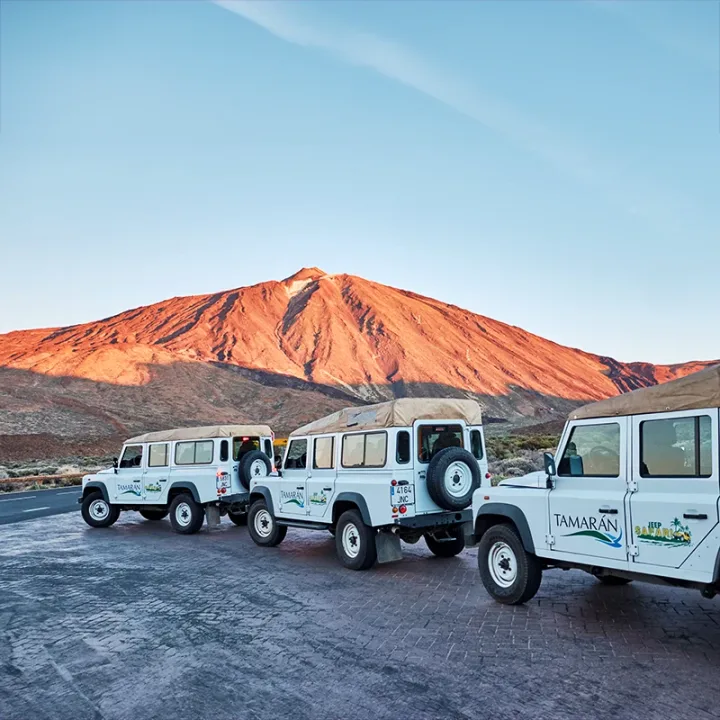
The easiest way to see the main parks without driving yourself is on a guided tour. The Teide guided bus tour covers the National Park from the south coast resorts. Jeep tours reach the harder-to-access areas of Anaga and Teno. North Tenerife bus tours include stops in the Anaga area and northern villages.
Related experiences
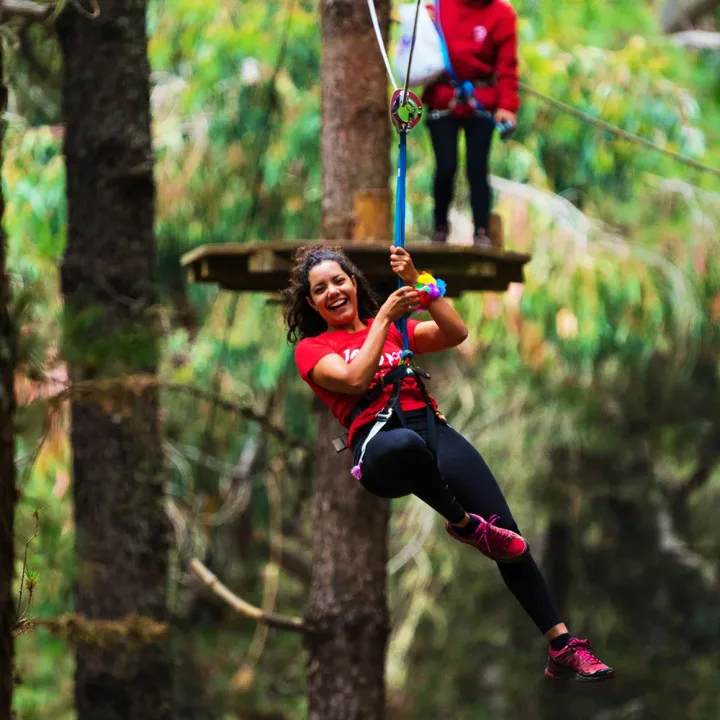 Fun Activities
 Forestal Park Tenerife
- 90+ treetop challenges
- La Esperanza pine forest
- Safety gear provided
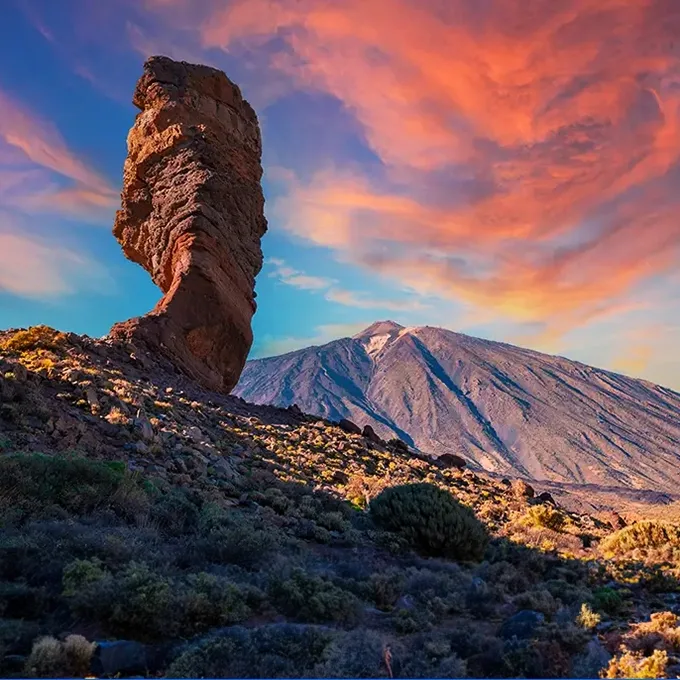 Guided Tours SALE
 Teide Guided Bus Tour Tenerife
- Teide National Park
- Free hotel pickup
- Around 7 hours
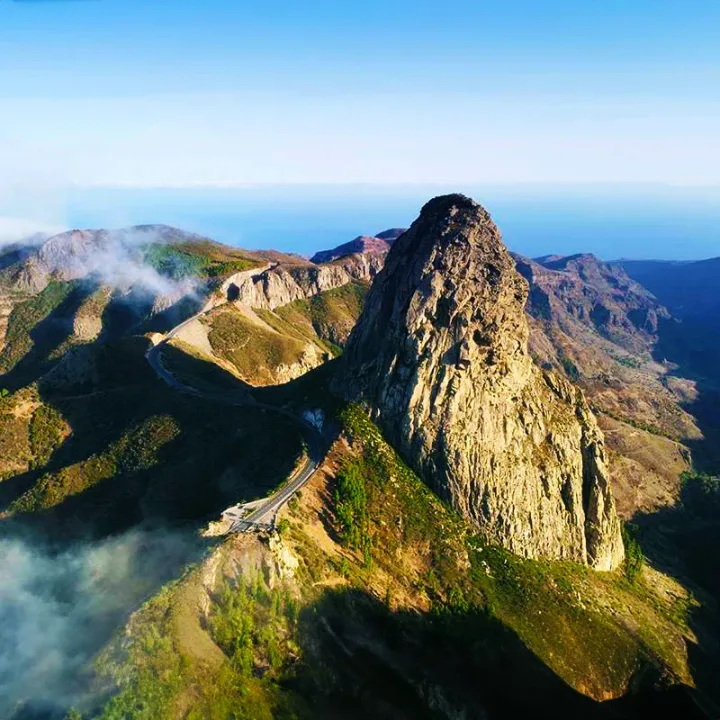 Guided Tours
 La Gomera Bus Tour from Tenerife
- Ferry included
- Laurel forest, a UNESCO reserve
- Lunch included
 Guided Tours
 Teide & Masca Jeep Safari
- Teide National Park
- Masca village
- Free hotel pickup