
Planning a trip to Tenerife: the complete travel guide (updated 2026)
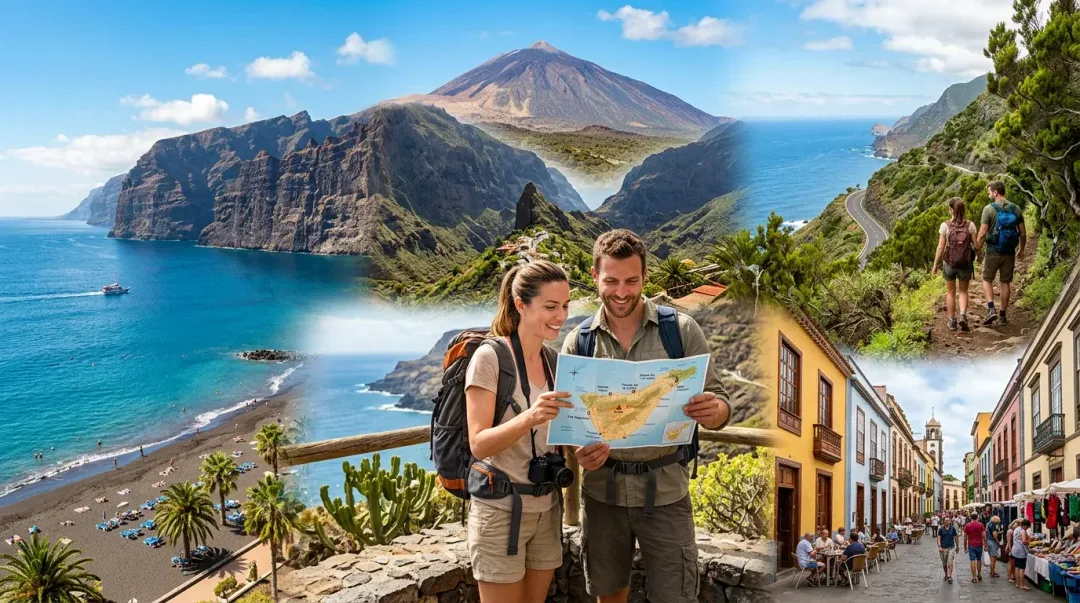
Planning a trip to Tenerife: everything you need to know before you go
Tenerife is the largest of Spain's Canary Islands, sitting in the Atlantic Ocean off the coast of northwest Africa. About 6 million tourists visit every year. The island has year-round warm weather (20 to 30°C in the south), a volcanic landscape dominated by Mount Teide (Spain's highest peak at 3,718 metres), over 70 beaches, and enough activities to fill two weeks without repeating anything.
This guide answers the most common planning questions and links to our detailed guides on each topic. Whether you're coming for a week of beach and relaxation or planning to hike, dive, and explore every corner, this page will help you organise your trip.
How many days do you need in Tenerife?
4 to 5 days is enough to see the highlights: a beach day in the south, a trip to Teide, a boat trip with whale watching, and a visit to Siam Park or Loro Parque. You'll get a solid taste of the island.
7 days is the sweet spot. Enough time to explore both north and south, do a couple of excursions, have some beach days, and still have room for a spontaneous drive to a quiet village or hidden beach.
10 to 14 days lets you properly explore. You can hike Anaga and Masca, visit Garachico and La Orotava, do the Teide stargazing tour, try water sports, eat at guachinches, and still have lazy beach days. If you have two weeks, use them.
Where to stay
South Tenerife (Costa Adeje, Playa de las Americas, Los Cristianos) is where most tourists stay. This is the warm, sunny, calm side of the island with the main resort infrastructure, shopping, nightlife, and beaches. Most excursions depart from here. If it's your first visit, stay in the south.
North Tenerife (Puerto de la Cruz, La Laguna, La Orotava) is greener, cooler, more local, and less touristy. Better for people who prefer culture, hiking, and authentic Canarian towns over resort beaches. Puerto de la Cruz is the main tourist town in the north.
For a deeper comparison, see our north vs south Tenerife guide.
When to visit
Tenerife works year-round. The south coast averages 22 to 28°C in summer and 18 to 22°C in winter. Sea temperatures range from 19°C in winter to 24°C in late summer.
Peak season: Christmas/New Year, Easter, July to August. More expensive, more crowded, but guaranteed good weather.
Best value: May, June, November. Warm weather, fewer crowds, lower prices.
Best for hiking: March to May, October to November. Cooler temperatures for walking but still warm enough for the beach after.
Full breakdown in our best time to visit Tenerife guide.
What to do in Tenerife
Tenerife has far more than beaches. Here's an overview with links to detailed guides:
Beaches. Over 70 beaches, from golden sand resort beaches to wild black volcanic coves. Our top 14 beaches guide covers the best ones with honest descriptions.
Mount Teide. Spain's highest peak and a UNESCO World Heritage Site. Cable car, hiking trails, and the best stargazing in Europe. The permit system changed in 2026 so read the complete Teide guide before you go.
Hiking. From the cloud forests of Anaga to the Masca Gorge to the Barranco del Infierno waterfall near Adeje. Several trails now require permits. See our hiking Tenerife guide.
Whale watching. Around 500 pilot whales and 250 bottlenose dolphins live permanently in the waters between Tenerife and La Gomera. Sighting rates on boat trips are close to 100%. Details in our boat excursions page and whale watching guide.
Water sports. Jet ski tours (from €85), kayaking with sea turtles, scuba diving, parasailing, banana boat, and more. All operate from the calm south coast year-round. See our water sports guide.
Theme parks. Siam Park (best water park in Europe), Loro Parque (zoo with 350+ parrot species), Aqualand, Jungle Park. Combo tickets available. See our water parks and theme parks guide.
Stargazing. Teide National Park is a Starlight Tourist Destination. The Teide by Night tour includes dinner, telescopes, and Starlight-certified guides. See our stargazing guide.
Nightlife. The Veronicas strip in Playa de las Americas, Papagayo Beach Club, Monkey Beach Club, Tramps. See our nightlife guide.
Shopping and markets. Farmers markets every day of the week across the island. See our markets guide.
Quiet spots. Hidden beaches, non-touristy towns, guachinches. See our quiet Tenerife guide.
How to get around
Rental car: The best way to explore beyond the resorts. Tenerife is about 80 km long and you can drive coast to coast in an hour. Driving is on the right. Roads are good. Local rental companies are often cheaper than international chains.
Buses (TITSA): Reliable service between main towns. The Ten+ card gives discounted fares. Good for getting between resorts and to Santa Cruz, but limited for reaching remote beaches and mountain trails.
Taxis: Widely available in the south. Metered. Not cheap for long distances.
Excursions with pickup: Most CanaryVIP activities include hotel pickup from south Tenerife, so you don't need a car for excursion days.
Full details in our driving guide and public transport guide.
What to eat
Canarian cuisine is simple, flavourful, and different from mainland Spain:
Papas arrugadas con mojo. Small wrinkled potatoes boiled in very salty water, served with red (spicy) and green (herb) mojo sauce. The most Canarian dish there is.
Fresh fish. Vieja (parrotfish), cherne (wreckfish), and whatever the catch of the day is. Best at La Caleta, Los Abrigos, and fishing village restaurants along the coast.
Gofio. Roasted grain flour used in soups, desserts, and as a side. An acquired taste but genuinely Canarian.
Canarian wines. The volcanic soil produces distinctive wines, especially from the Tacoronte-Acentejo and Abona regions.
Guachinches. Informal, family-run eateries in the north (mainly around Tacoronte and La Orotava) serving homemade food and house wine for €8 to 15 per person. The most authentic eating experience on the island.
What to pack
Sunscreen (factor 30+ minimum). Tenerife is at 28°N. The UV is high year-round, even on cloudy days.
Layers. The coast is warm but Teide can be 15 to 20°C colder. Anaga's cloud forest is cool and damp. Bring a proper jacket if you plan to go above 1,000 metres.
Hiking shoes. If you're planning any hiking (Masca, Teide, Anaga, Barranco del Infierno), proper footwear is now mandatory and checked at trailheads.
Swimwear and a towel. Obviously.
Waterproof phone case. Useful for boat trips, water sports, and beach days.
Practical tips
Currency: Euro (€). Cards accepted almost everywhere.
Language: Spanish, but English and German are widely spoken in the tourist areas.
Tipping: Not mandatory but appreciated. Rounding up or leaving 5 to 10% at restaurants is common. See our tipping guide.
Safety: Tenerife is generally very safe. Use common sense with belongings at crowded beaches and in nightlife areas.
Tap water: Safe but most people drink bottled. The taste varies by area.
Time zone: GMT (same as UK, 1 hour behind mainland Spain).
Electricity: Standard European plugs (Type C/F). UK visitors need an adaptor.
A suggested 7-day itinerary
Day 1: Arrive, settle in, explore your resort area, beach in the afternoon.
Day 2: Boat trip with whale watching. Afternoon at the beach or pool.
Day 3: Teide guided tour (full day with hotel pickup, optional cable car).
Day 4: Beach day. Try jet skiing or kayaking with turtles in the morning.
Day 5: Rent a car. Drive to the north: La Laguna, Anaga, Puerto de la Cruz. Lunch at a guachinche.
Day 6: Siam Park or Loro Parque (full day).
Day 7: Morning at Barranco del Infierno or a quiet beach (Diego Hernandez, Abama). Afternoon packing and last dinner.
This is flexible. Swap days based on weather and energy. The key is mixing excursions with free time so you don't burn out.
Book excursions with CanaryVIP
CanaryVIP offers excursions, tours, water sports, theme park tickets, and boat trips across Tenerife. Most activities include hotel pickup from south Tenerife. Every booking comes with our Best Price Guarantee.
Related experiences
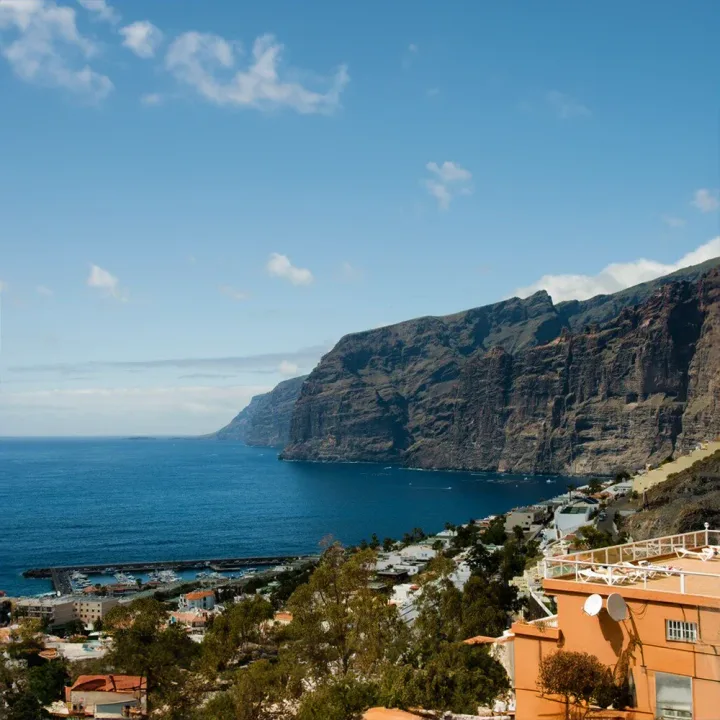 Guided Tours
 Tenerife Island Tour
- Six island stops
- Free hotel pickup
- Departs Tuesdays and Saturdays
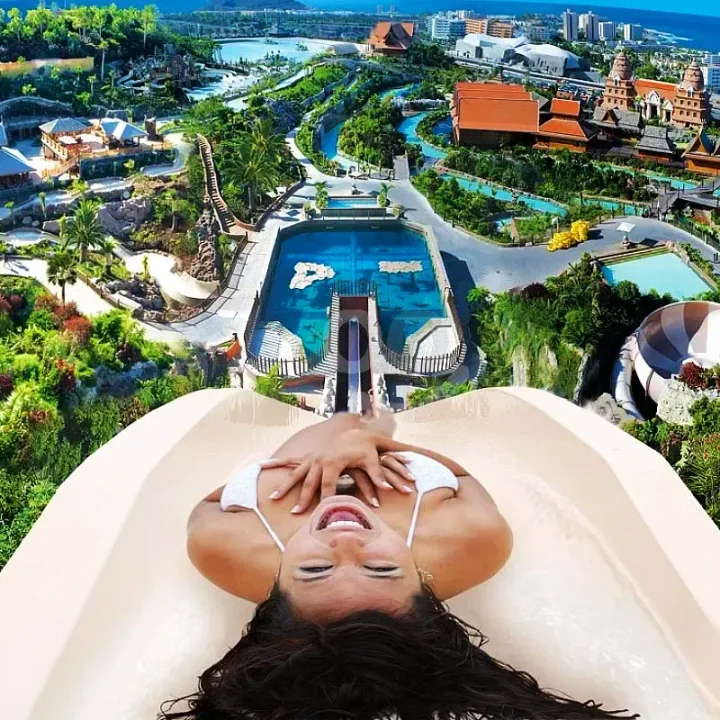 Theme Parks
 Siam Park Tickets
- Official ticket
- Free shuttle bus
- All rides included
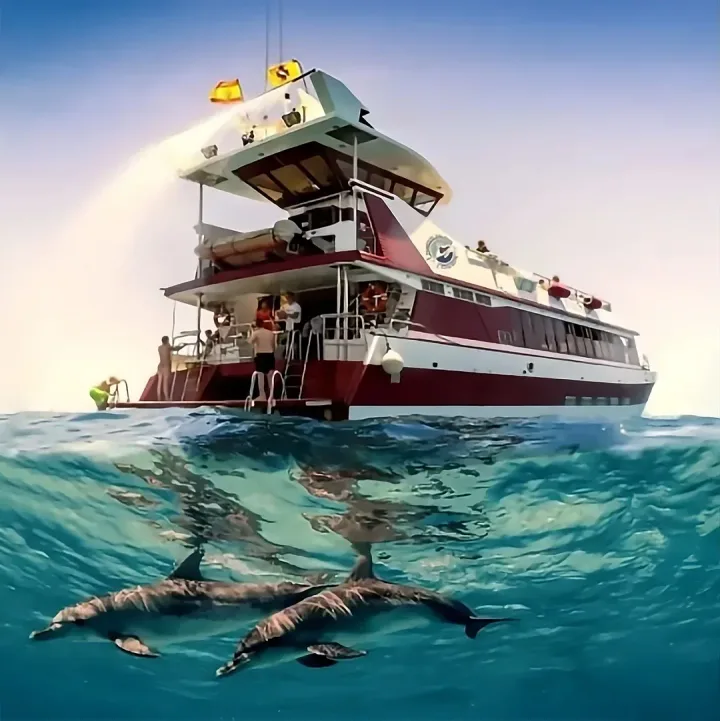 Boat Excursions
 Royal Delfin Tenerife
- Whale & dolphin watching
- Underwater windows
- Food & drinks included
 Guided Tours
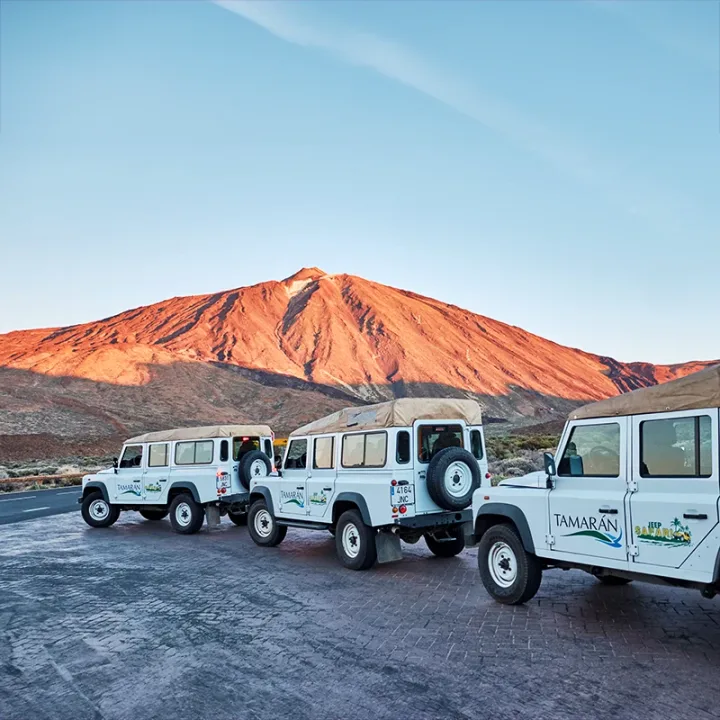
 Teide & Masca Jeep Safari
- Teide National Park
- Masca village
- Free hotel pickup