
Sustainable travel in Tenerife: how to visit without wrecking the place

Tenerife gets about 6 million tourists a year. That's a lot of people on an island of 2,034 square kilometres. The impact is real: water scarcity, overtourism at popular trails, plastic on beaches, pressure on marine ecosystems. But it doesn't have to be that way. Visiting responsibly isn't complicated. It mostly comes down to small choices that add up.
Here's what you can actually do.
Getting around without a car (or at least, less driving)
The TITSA bus network covers most of the island and runs frequently between major towns. The Ten+ rechargeable card gives you discounted fares. Trams connect Santa Cruz and La Laguna. If you're staying in the south coast resorts, the seafront promenade from Playa del Duque to Los Cristianos is about 7 km and entirely walkable.
If you do rent a car, consider an electric or hybrid. Charging stations exist across the island (more in the south than the north, but growing). And try to consolidate trips rather than driving every day. Several guided tours from CanaryVIP include hotel pickup, which means a bus full of people instead of 20 individual cars driving to Teide.
For more on transport options, see our public transport guide and driving guide.
Water: the resource nobody thinks about
The Canary Islands have limited freshwater. Tenerife relies on desalination plants and water from the Teide aquifer. Tourism increases demand significantly. A few things that help:
Reuse your hotel towels. It sounds small but multiplied by millions of guests a year, the water savings are substantial.
Take shorter showers. The average tourist uses more water per day than the average resident.
Don't leave the tap running. Obvious, but worth repeating.
Respecting the trails and natural spaces
Tenerife has a national park (Teide), two rural parks (Anaga and Teno), and several nature reserves. The new permit systems introduced in 2024 and 2025 for Masca Gorge, Teide summit, El Pijaral, and Barranco del Infierno exist for a reason: these places were being damaged by uncontrolled visitor numbers.
Stay on marked trails. Don't pick plants or take rocks (yes, people do this). Carry your rubbish out. Don't feed wild animals. If a trail requires a permit, book it properly rather than trying to sneak in. The fines are real and the ecosystems are fragile.
The laurel forests in Anaga are remnants of a prehistoric ecosystem that once covered much of southern Europe. They survived millions of years. Let's not be the generation that tramples them.
Marine life: look but don't touch
The waters around Tenerife are home to green sea turtles, bottlenose dolphins, pilot whales, angel sharks, and a long list of other species. If you go snorkeling at El Puertito or on a whale watching tour, keep a respectful distance. Don't touch turtles. Don't chase dolphins. Don't stand on seagrass beds.
Choose operators that follow the rules. Licensed whale watching boats in Tenerife are required to maintain minimum distances from cetaceans, limit speed, and restrict the number of boats around a pod. Operators that ignore these rules harm the animals they claim to celebrate.
Use reef-safe sunscreen when swimming or snorkeling. Standard sunscreens contain chemicals (oxybenzone, octinoxate) that damage coral and marine organisms. Mineral-based sunscreens with zinc oxide or titanium dioxide are the safer option.
Supporting the local economy
The money you spend in Tenerife can either go to international hotel chains and imported goods, or it can stay on the island. A few ways to keep it local:
Eat at local restaurants and guachinches (informal family-run eateries in the north) instead of international chains. The food is better and cheaper anyway.
Shop at the farmers markets that run every day of the week across the island. Local cheese (queso fresco), mojo sauce, Canarian wines, honey, and aloe vera products make good souvenirs and directly support local producers.
Book excursions through local operators. CanaryVIP works with local providers across the island.
Plastic and waste
Tenerife has a waste management problem. The island's landfill is under pressure and recycling rates are lower than the European average. You can help by:
Carrying a reusable water bottle. Many hotels have filtered water dispensers.
Bringing a reusable bag for shopping (plastic bags cost money in Spain anyway).
Avoiding single-use plastics where possible. Bring your own snorkel gear if you can, rather than buying cheap disposable sets that end up in the bin after one use.
If you see rubbish on a beach or trail, pick it up. It takes 30 seconds and makes a difference.
Where to stay responsibly
Several hotels in Tenerife have Biosphere Sustainable Tourism certification or the EU Ecolabel. These properties commit to renewable energy, water conservation, and waste reduction. Look for these certifications when booking.
Smaller, family-run places (casas rurales, fincas) tend to have a lower environmental impact than large resort complexes. They also give you a more genuine experience of the island.
If you're staying in the south coast resorts, choose accommodation within walking distance of the promenade and beaches rather than somewhere that requires a car or taxi for every meal.
The honest truth
Perfect sustainable travel doesn't exist. You flew here on a plane. Some of the excursions involve motorised boats and jet skis. The hotel pool uses water that the island doesn't have in abundance. But reducing your impact where you can still matters. Choosing a responsible whale watching operator matters. Walking instead of driving matters. Buying from local producers matters. Not chasing a sea turtle for a photo matters.
Tenerife is worth protecting. The people who live here year-round would appreciate it.
Explore Tenerife responsibly with CanaryVIP
CanaryVIP works with licensed, local operators who follow environmental regulations. Our whale watching tours use certified boats that comply with cetacean protection rules. Our guided tours reduce individual car journeys by providing group transport with hotel pickup.
Related experiences
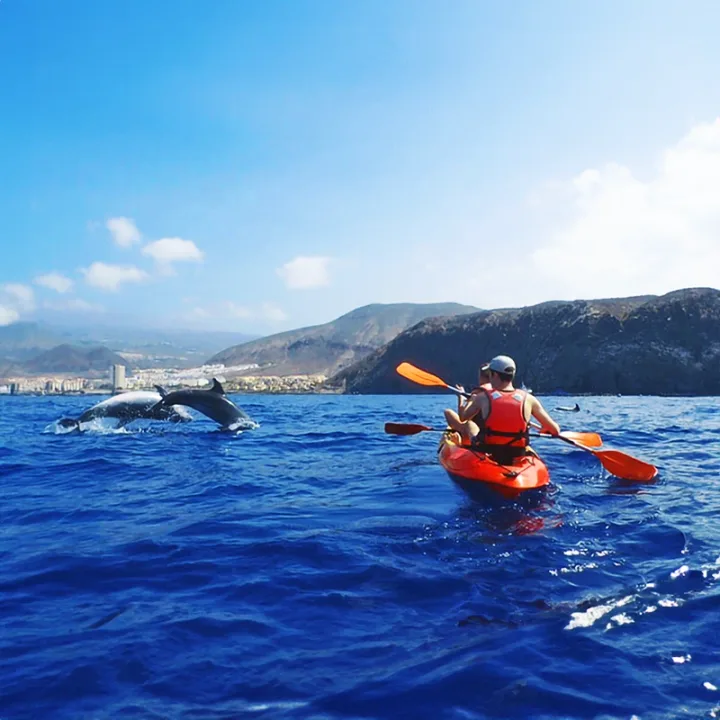 Water Sports SALE
 Kayak + Snorkeling Tenerife
- No experience needed
- 30-minute snorkel stop
- Daily departures
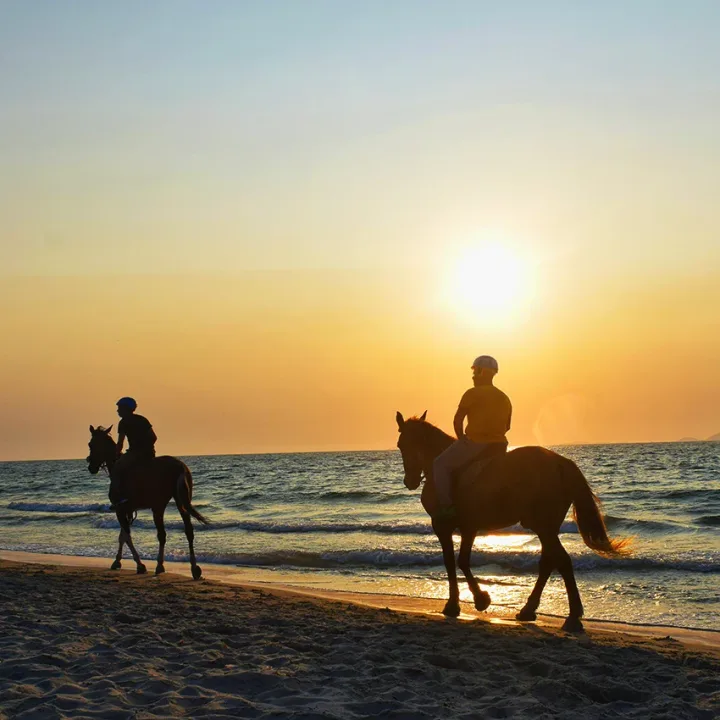 Fun Activities SALE
 Horse Riding Tenerife
- Beach and trail rides
- Sunset coastal ride
- Daily departures
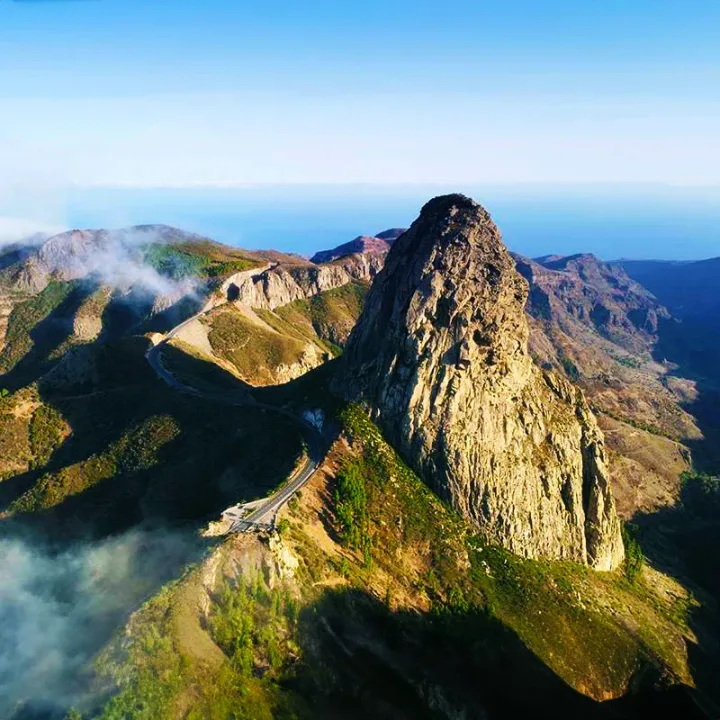 Guided Tours
 La Gomera Bus Tour from Tenerife
- Ferry included
- Laurel forest, a UNESCO reserve
- Lunch included