
Stargazing in Tenerife: the Teide by Night experience and why these skies are special
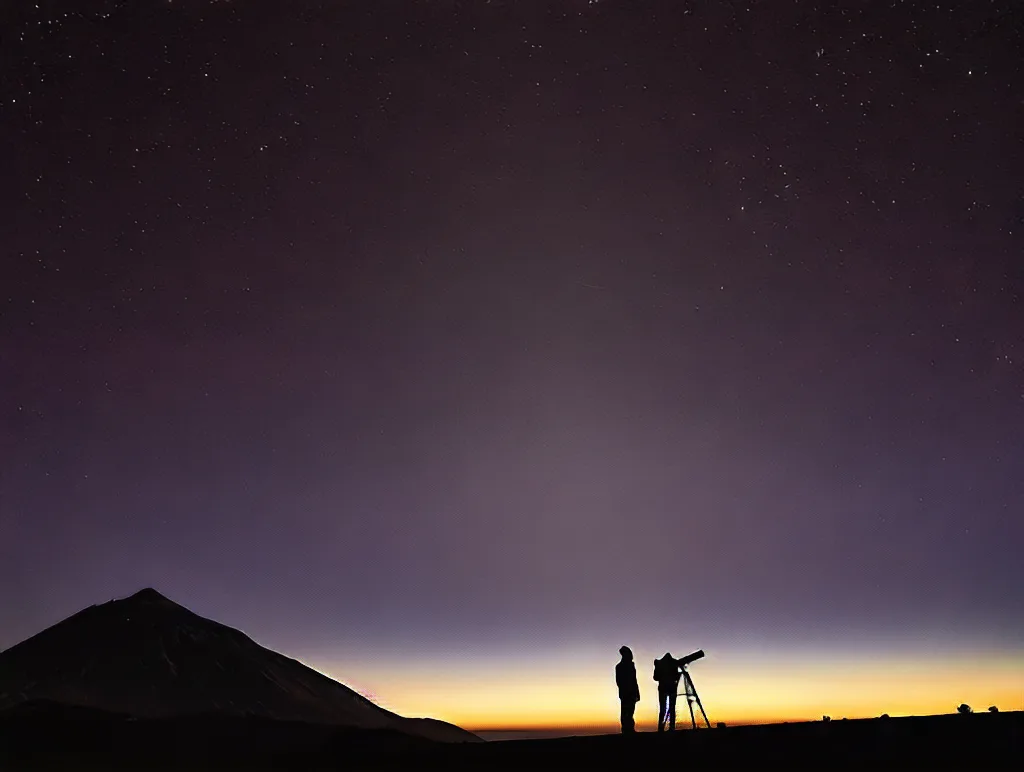
Why Teide National Park is one of the best places on earth to see the stars
Mount Teide sits at 3,718 metres above sea level. At that altitude, you're above the cloud layer that often sits between 1,200 and 2,000 metres over Tenerife. This means that even when the coast is overcast, the sky above Teide can be perfectly clear.
That's the main reason the Instituto de Astrofisica de Canarias (IAC) built the Teide Observatory here in 1964. It sits at 2,390 metres and houses telescopes from over 60 institutions in 19 countries. The 1.5-metre GREGOR telescope is the largest solar telescope in Europe. In 1995, astronomers at this observatory discovered Teide-1, the first confirmed brown dwarf, using the IAC-80 telescope.
For regular visitors, what matters is this: Teide National Park was the first UNESCO World Heritage Site to also be certified as a Starlight Tourist Destination by the Starlight Foundation (backed by UNESCO, the World Tourism Organization, and the International Astronomical Union). The Canary Islands also have a specific law, the "Ley del Cielo" (Sky Law), in force since 1992, which controls light pollution, radio interference, air pollution, and flight paths in the area to protect the quality of the night sky.
The result is that on a clear night at Teide, you can see around 83 of the 88 officially recognised constellations. The Milky Way is visible to the naked eye as a dense band across the sky. Planets, nebulae, and star clusters that are invisible from most of Europe are clearly visible here.
What you can actually see
The Milky Way. Visible to the naked eye from Teide on clear, moonless nights. The galactic core is most visible during summer and early autumn (June to October). From Teide's altitude, the detail is remarkable: you can see the dust lanes, bright star clouds, and the overall structure of our galaxy without any optical equipment.
Planets. Jupiter, Saturn, Mars, and Venus are regularly visible depending on the time of year. Through a telescope, you can see Saturn's rings and Jupiter's moons.
Constellations. Teide's latitude (28°N) means you can see constellations from both the northern and parts of the southern sky. Orion, the Pleiades, Scorpius, and the Southern Cross (just barely, at certain times of year) are all observable.
Meteor showers. The Perseids (August) and the Geminids (December) are the two major annual meteor showers visible from Teide. During peak nights, you can see dozens of meteors per hour. The absence of light pollution makes even faint meteors visible.
Deep sky objects. Through a telescope, nebulae (like the Orion Nebula), galaxies (like Andromeda), and star clusters are visible with impressive clarity from this altitude.
The CanaryVIP stargazing tour: what's included
The Teide by Night stargazing tour available through CanaryVIP is one of the most popular evening excursions on the island. Here's what it includes:
Hotel pickup and drop-off. From south Tenerife (Costa Adeje, Playa de las Américas, Los Cristianos).
Sunset at Teide. The tour arrives at the national park in time for sunset. Watching the sun drop below the cloud layer from 2,000+ metres is one of those moments that's hard to describe without sounding like a travel brochure, so I'll just say: bring a camera.
Dinner. A Canarian meal is included, usually served at a local restaurant such as Casa Sira (the exact restaurant may vary depending on availability). Wine and other drinks are included. Dietary requirements can generally be accommodated.
Stargazing with professional telescopes. Once it gets dark, the guide explains the constellations using a laser pointer, then sets up telescopes for observing planets, star clusters, nebulae, and other deep sky objects. The guides are Starlight-certified, which means they've been trained and accredited by the Starlight Foundation specifically for astrotourism.
Duration. Around 6 hours total.
Days. Tuesday, Wednesday, Thursday, Friday, and Sunday.
Languages. Tours run in multiple languages. Each bus operates in one language only, so you're not listening to the same explanation repeated three times.
Cancellation. Free cancellation up to 48 hours before. If weather conditions make stargazing impossible, the tour is rescheduled or refunded.
Important weather note. Visibility depends on weather conditions and can't be guaranteed. Cloud cover at altitude, calima (Saharan dust), and moon phase all affect what you can see. New moon nights offer the darkest skies. The tour operator monitors conditions and will contact you if a reschedule is needed.
What to bring
Warm clothing. This is not optional. At 2,000+ metres after dark, temperatures regularly drop to 5 to 10°C even in summer. In winter it can be near freezing. Bring a proper jacket, long trousers, and closed shoes. Gloves and a hat are a good idea in winter months. Several layers work better than one thick coat.
A camera or phone. Modern phones can capture surprisingly good night sky photos using night mode or long exposure settings. A tripod helps if you have one, though it's not essential for the guided tour.
No torch (or use a red one). White light ruins your night vision (it takes about 20 minutes for your eyes to fully adapt to darkness). If you need a light, use a red-filtered torch or the red light setting on your phone.
Best time of year for stargazing at Teide
Stargazing is possible year-round at Teide, but conditions vary:
Summer (June to September). The Milky Way core is visible, nights are warmer (though still cold at altitude), and skies are generally clear. The Perseids meteor shower in August is a highlight. This is peak season for stargazing tours.
Autumn (October to November). Still good conditions. Fewer tourists. The Milky Way core begins to set earlier in the evening.
Winter (December to February). The coldest period at altitude, but winter skies can be exceptionally clear. The Geminids meteor shower in December is one of the best of the year. Dress very warmly.
Spring (March to May). Variable conditions. The occasional calima (Saharan dust event) can reduce visibility, though strong calimas only happen a couple of times a year at most.
For the darkest skies, check the moon phase before booking. Nights around the new moon are best. A full moon washes out fainter objects and the Milky Way.
The Teide Observatory: a separate visit
The Teide Observatory (Observatorio del Teide) at Izaña is a working research facility, not part of the stargazing tour. It's open to the public for daytime guided visits several days a week (March to December), run in partnership with the Volcano Teide organisation. These visits include a talk on the electromagnetic spectrum, viewing the sun through solar telescopes, and a tour of selected telescope installations.
The observatory covers 50 hectares and has been operating since 1964. It's mainly dedicated to solar research and houses the best collection of European solar telescopes, including GREGOR (1.5m, the largest solar telescope in Europe).
If you're interested in astronomy, the daytime observatory visit and the nighttime stargazing tour are two different experiences that complement each other well.
Other evening activities in Tenerife
If the stargazing tour appeals but you also want other evening options during your stay, CanaryVIP offers:
The Scandal Dinner Show (cabaret and variety in Costa Adeje). Sunset boat trips along the south coast. Private yacht charters with custom timing. See the full evening shows and entertainment section.
Related experiences
 Guided Tours SALE
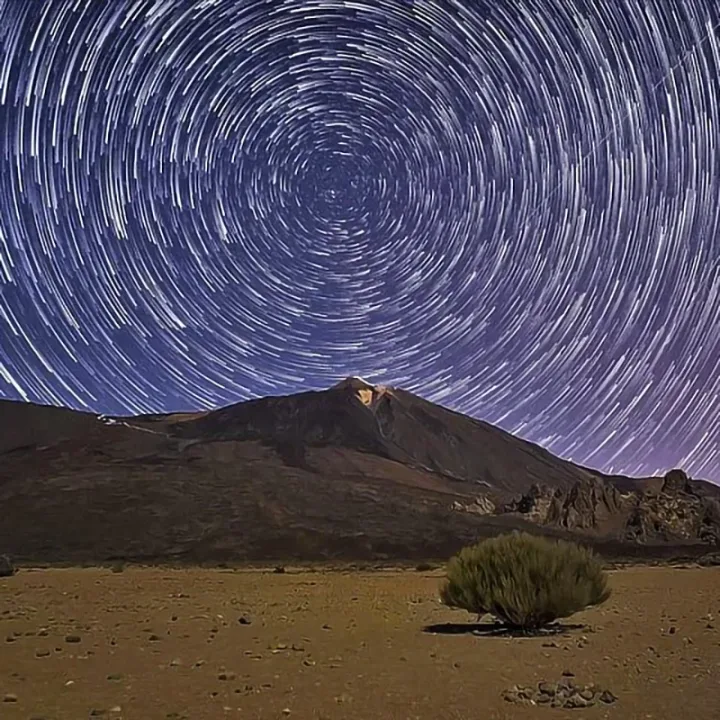
 Stargazing Tenerife
- Sunset in the park
- Dinner included
- Free hotel pickup
 Fun Activities
 Buggy Safari Tenerife
- Coast, off-road or Teide routes
- Free pickup
- Daily departures
 Guided Tours SALE
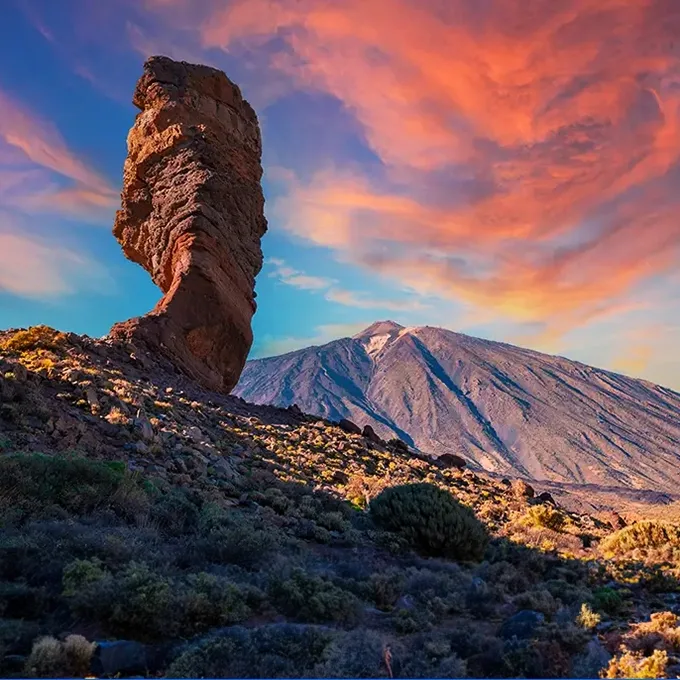
 Teide Guided Bus Tour Tenerife
- Teide National Park
- Free hotel pickup
- Around 7 hours