
Scuba diving Tenerife: dive sites, conditions, and what to expect
Snorkeling Tenerife: where to go, what you'll see, and how to do it
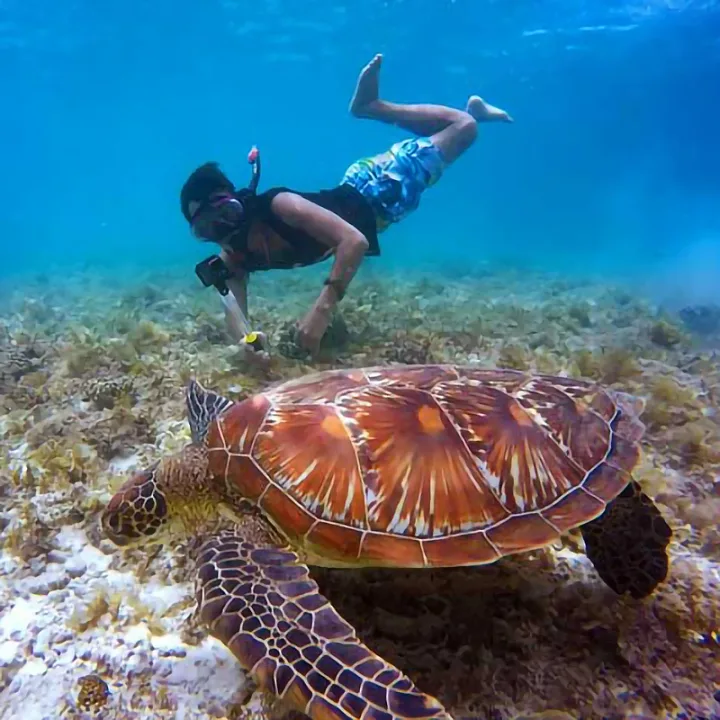
Tenerife is one of the best snorkeling destinations in Europe. The water stays between 19°C in winter and 24°C in late summer, visibility is often 20 metres or more, the south coast has dozens of sheltered bays with calm conditions, and there are resident green turtles you can swim with for free. You don't need a certification, you don't need experience, you just need a mask, a snorkel, and the ability to swim.
This guide covers the 9 best snorkeling spots in Tenerife, what marine life to expect, what gear to bring, the best time of year, and the rules for swimming with turtles responsibly. Pure snorkeling content. For scuba diving, dive sites and PADI courses, see our scuba diving in Tenerife guide.
The 9 best snorkeling spots in Tenerife
1. El Puertito de Adeje (Turtle Bay). The most famous snorkeling spot in Tenerife. A small, sheltered bay between La Caleta and Playa Paraiso where green sea turtles feed on the seagrass beds in shallow water. Maximum depth around 8 to 12 metres but the turtles often feed in 4 to 6 metres, easy to see from the surface. The bay also has parrotfish, trumpet fish, octopus, occasional rays, and over 50 species in total according to local dive operators. Free to access from the small village (drive 20 minutes from Playa de las Americas, follow signs from the TF-47 to El Puertito). Bring your own gear or rent in nearby Costa Adeje.
2. Abades (east coast). A small fishing village near El Medano with one of the most underrated snorkeling spots on the island. The beach is sandy with easy entry, and after a 2-minute swim you reach a natural reef close to shore. Mostly shallow (2 to 12 metres), perfect for beginners and families. Marine life includes seagrass meadows (sebadales), octopus, trumpet fish, rays, schools of small fish, and sometimes turtles. Quieter than El Puertito and rarely crowded. The village is also worth visiting for its local atmosphere.
3. Montaña Amarilla (Costa del Silencio, south coast). The yellow volcanic rock formations of Montaña Amarilla create one of the most visually distinctive snorkeling spots in Tenerife. Average depth of 15 metres but with shallower areas accessible from the shore. Caves, arches, and swim-throughs make it interesting even for experienced snorkelers. Marine life includes garden eels, octopus, trumpet fish, and parrotfish. The whole area is a marine nature reserve.
4. Las Galletas (south coast). The town beach is calm and good for entry-level snorkeling, but the better spots are at the rocky edges of the bay. Suitable for beginners, with the option to swim out to deeper rocks if you're comfortable. Easy access, parking, and facilities. From Las Galletas you can also book guided snorkeling trips by boat to nearby spots.
5. Palm-Mar / La Arenita (south coast). A small beach in the village of Palm-Mar that has become one of the more reliable spots for swimming with turtles. The combination of seagrass beds and protected bay attracts greens turtles year-round. Accessible from the shore. Park in the village and walk to the beach.
6. Alcalá (west coast). A small, calm bay on the west coast with rocky shores and a high chance of turtle sightings. Less touristy than El Puertito and often quieter. Maximum depth around 15 metres. Marine life includes turtles, rays, octopus, and reef fish.
7. Playa de Las Vistas (Los Cristianos). The main beach in Los Cristianos has snorkeling at the rocky points on either end of the sand. Convenient if you're staying in Los Cristianos and don't want to travel. Marine life is more limited than at the dedicated snorkeling spots above, but you'll still see fish and sometimes octopus. Good for a quick swim with mask and snorkel.
8. Playa de La Tejita (El Medano area). An undeveloped beach next to Montaña Roja, with rocky areas at the eastern end that offer decent snorkeling. The beach itself is one of the longest natural beaches on the south coast and has a more local atmosphere than the resort beaches. Combine snorkeling with the hike up Montaña Roja for views.
9. Punta de Teno (northwest tip). The wildest and most remote spot on this list. Located at the westernmost tip of Tenerife, accessible only by a controlled bus shuttle from Buenavista del Norte during peak times (the road is restricted because of rockfalls). Rugged underwater landscapes with caves and dramatic visibility on calm days. Conditions can be rough, so check before going. For experienced snorkelers and adventurers.
What you'll see snorkeling in Tenerife
Green sea turtles. The headline attraction. Resident populations live in El Puertito de Adeje, Palm-Mar, and Alcalá. Year-round, no season, very habituated to people. Loggerhead turtles also pass through but are less reliable to spot.
Reef fish. Parrotfish (large, colourful, common everywhere), trumpet fish (long, vertical, very photogenic), wrasse, damselfish, bream, salema, ornate wrasse, Atlantic damselfish.
Stingrays. Common at sandy spots, especially near rocky areas. Easily spotted resting on the bottom.
Octopus. Common but well camouflaged. Look in rock crevices and under overhangs. Always exciting when you spot one.
Cuttlefish. Less common but possible, especially at Abades and El Medano.
Moray eels. In rocky crevices. Look but don't reach in.
Sea urchins. Black urchins are everywhere on the rocks. The reason you should always wear water shoes when entering rocky beaches.
Garden eels. At sandy bottoms in the deeper spots like Montaña Amarilla.
What you won't see: Coral reefs (this is the Atlantic, not the Caribbean). Sharks (very rare from the surface). Whales and dolphins (these are in deeper water, you need a boat trip).
Swimming with turtles: how to do it right
The green turtles in El Puertito and Palm-Mar are wild animals in a protected area. They're used to people but they're not pets. The rules are simple and important:
Don't touch them. Even gentle touching can damage their protective mucous coating and stress them out. It's also illegal under Spanish wildlife protection law.
Don't chase them. If a turtle swims away from you, that's its choice. Don't follow at speed.
Don't feed them. Feeding makes them dependent and changes their natural behaviour. There have been incidents of turtles being injured by boat propellers because they associate boats with food.
Keep distance. 2 to 3 metres is recommended. Close enough for great photos, far enough to not stress the animal.
Don't stand on the seagrass. The sebadales (seagrass meadows) are the turtles' food source and a fragile habitat. Float, don't walk.
Avoid sunscreen with oxybenzone. Use reef-safe mineral sunscreens instead. Conventional sunscreens damage marine life.
Reputable snorkeling tour operators (including the ones CanaryVIP works with) brief you on these rules before entering the water. Avoid any operator that allows touching or feeding the turtles.
Snorkeling gear: what to bring or rent
Essential:
- Mask that fits properly (the most important piece of gear, a leaky mask ruins the experience)
- Snorkel
- Fins (optional but help a lot, especially in deeper spots)
Highly recommended:
- Water shoes (rocky entries are everywhere, sea urchins are common)
- Rash vest or thin wetsuit (3mm shorty in winter, lycra in summer for sun protection)
- Reef-safe sunscreen
- Towel and dry clothes for after
Optional:
- Underwater camera or GoPro
- Surface marker buoy (in areas with boat traffic)
- Snorkeling vest (extra flotation for nervous swimmers or kids)
Where to rent: Most beach areas in Costa Adeje, Las Americas, Los Cristianos, and Las Galletas have rental shops with mask, snorkel and fins from €10 to €15 per day. Cheaper to buy a basic set at a Decathlon if you're staying more than 3 days.
Buy or rent? If you're snorkeling more than 2 days, buying basic gear (€20 to €40 for a full set at Decathlon) is cheaper than renting. Quality matters most for the mask.
Snorkeling for beginners and families
Snorkeling is one of the easiest water activities to learn. If you can swim, you can snorkel. Children from around 5 or 6 years old can start, ideally with a flotation vest and in calm shallow water.
Best spots for beginners:
- El Puertito de Adeje (calm, shallow, turtles for motivation)
- Abades (easy entry, shallow reef close to shore)
- Las Galletas town beach (calm and protected)
- Hotel pools (yes, really, to practice breathing through the snorkel before going in the sea)
Tips for first-timers:
- Practice breathing through the snorkel in shallow water first, with your face just under the surface
- Defog the mask with a drop of baby shampoo or special defog spray
- Don't go further than you're comfortable swimming back
- Stay in groups, never snorkel alone
- Always check sea conditions before entering
For families with young kids: a guided snorkeling tour is much easier than going independently. The guide handles equipment, finds the best spots, watches the kids, and gets you to places with reliable wildlife.
Best time of year for snorkeling in Tenerife
You can snorkel in Tenerife all year round. The seasonal differences are small but worth knowing:
Summer (June to October): Warmest water (22 to 24°C), best visibility, calmest conditions. No wetsuit needed for most people. Peak season, more crowded at the popular spots (especially El Puertito).
Autumn (October to November): Excellent conditions, water still warm (21 to 23°C), fewer tourists than summer. The best months in many people's opinion.
Winter (December to March): Coolest water (19 to 20°C). A 3mm shorty wetsuit is comfortable. Slightly fewer hours of daylight. Visibility is still good. The advantage: fewer people at every spot.
Spring (April to May): Water warming up (19 to 21°C), good visibility, fewer crowds, better prices. Excellent value.
Conditions tip: the south and southwest coast are sheltered from the trade winds and stay calm year-round. The north and east can be wavier. Always check forecasts before snorkeling on the north coast.
Snorkeling tours in Tenerife
If you want to skip the logistics and go straight to the best wildlife, a guided snorkeling tour is the easiest option:
Boat snorkeling tours. Most tours leave from Puerto Colon (Costa Adeje) or Los Cristianos and take you to multiple spots: usually El Puertito, La Caleta, and sometimes Palm-Mar. Around 2 to 3 hours, including swimming time. Equipment provided. Often combined with whale and dolphin watching.
Turtle snorkeling tours. Specifically designed to find turtles. Smaller boats, shorter trips (around 1 to 2 hours), more focused. The best option if turtles are your main goal.
Kayak + snorkel tours. Paddle to a quiet bay, then snorkel from the kayak. Combines two activities and reaches spots that bigger boats can't.
Typical prices: €30 to €55 for adults, €25 to €40 for children, including equipment, guide, and often a drink and a small snack.
Snorkeling vs scuba diving in Tenerife: which to choose
Choose snorkeling if: You don't have a diving certification and don't want to commit. You're with kids. You want a casual, low-cost activity. You're focused on turtles (which feed in shallow water anyway). You only have a few hours. You want flexibility.
Choose scuba diving if: You want to see more (deeper sites have more marine life and better visibility). You want to dive wrecks like El Condesito. You're certified or want to get certified. You want to see angel sharks (winter only) or eagle rays. You have a half-day or more.
You can do both in the same week. Many divers also snorkel on rest days.
For diving, see the scuba diving in Tenerife guide with all the dive sites, certification options, and prices.
Practical tips
Mornings are better. Calmer water, fewer people, better visibility, less wind. Aim to be in the water before 11am at popular spots like El Puertito.
Check conditions. Even on the calm south coast, occasional rough days happen. Don't snorkel if you see strong waves or currents.
Park early at El Puertito. The small parking area in the village fills up fast in summer. Cash only at the meter, closes at 6:45pm.
Don't snorkel alone. Especially at remote spots. The buddy system is basic safety.
Bring water and snacks. Most snorkeling spots have minimal facilities (Abades, El Puertito village, Las Galletas have small bars).
Know the emergency number: 112 works across Spain for all emergencies. The coastguard responds in case of trouble at sea.
Respect protected areas. Several spots on this list are within marine protected areas. Don't take rocks, shells, or wildlife.
Book snorkeling in Tenerife with CanaryVIP
CanaryVIP works with local operators for guided snorkeling experiences. The most popular option is the snorkeling with turtles tour, which takes you to a reliable turtle spot with all equipment and a certified guide. Free cancellation, hotel pickup available from south coast resorts.
For those who want to go deeper, see the scuba diving guide, the fun dives for certified divers, or the PADI Open Water Course.
Related experiences
 Water Sports
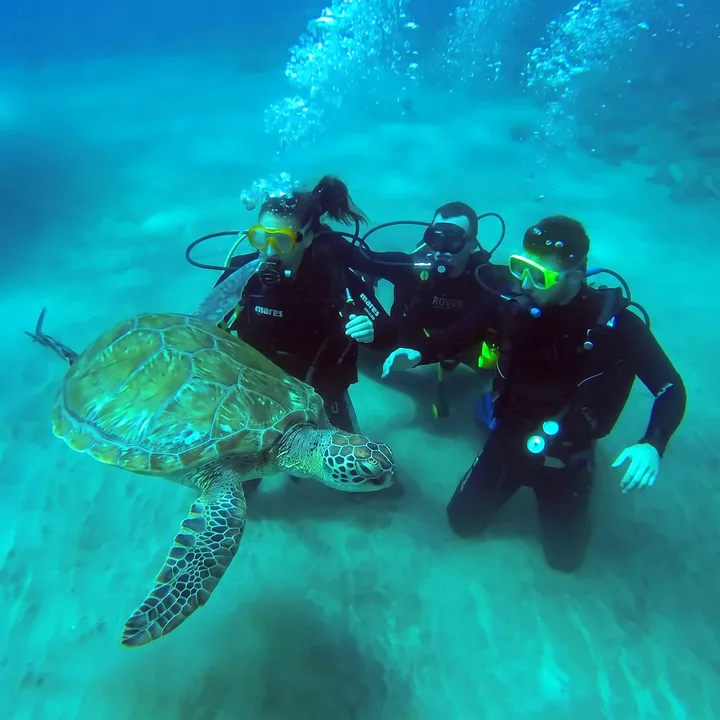
 Beginner Scuba Diving Tenerife
- Try dives, no licence needed
- Equipment provided
- From the shore or by boat
 Water Sports
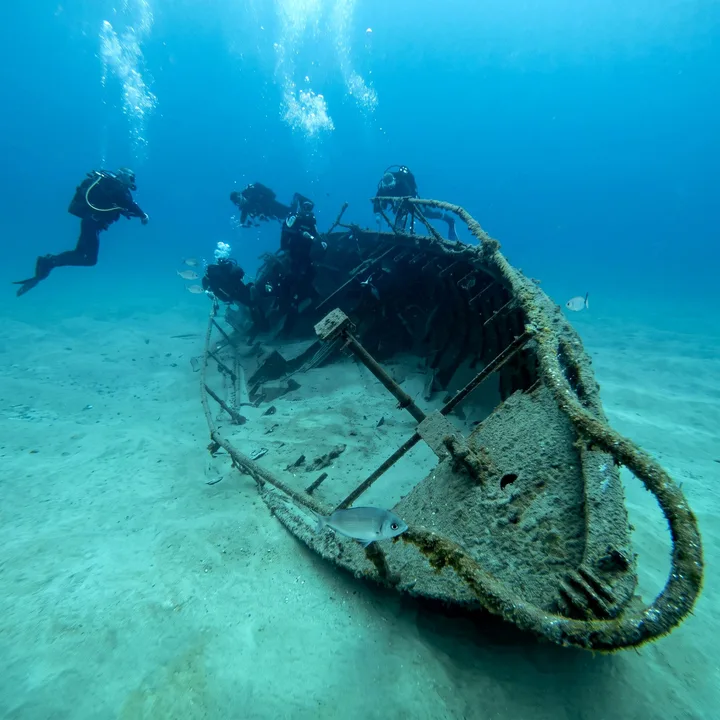
 Scuba Diving from South Tenerife
- Open Water or higher
- Boat dives, Palm Mar and Los Cristianos
- Equipment provided
 Water Sports
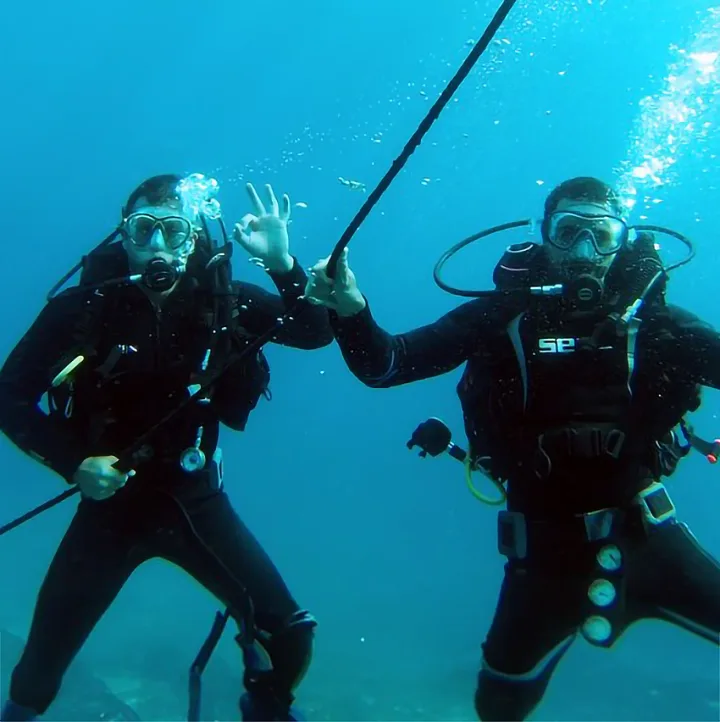
 PADI Open Water Course Tenerife
- PADI certification
- Four guided dives
- Equipment provided
 Boat Excursions
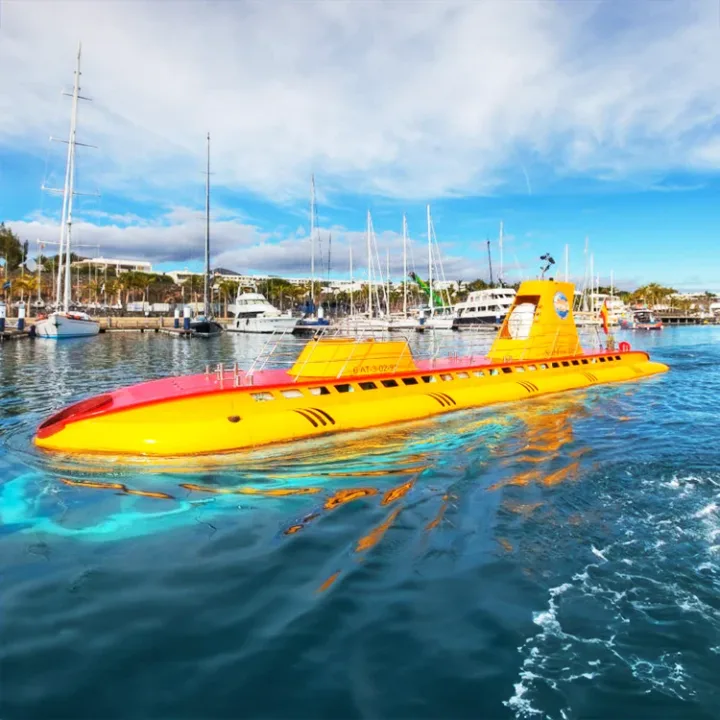
 Submarine Safari Tenerife
- A window at every seat
- Screen showing depth and temperature
- Free South pick-up