
Discovering Tenerife & Unveiling Its Hidden Gems
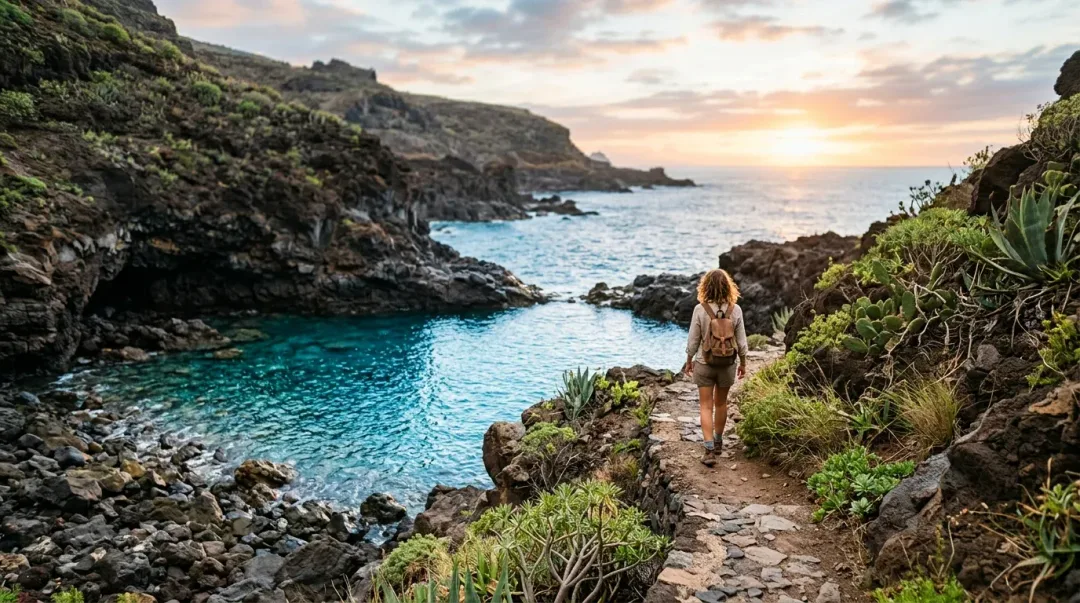
Hidden gems in Tenerife: 14 secret places most tourists never find
Most visitors to Tenerife see the same four or five places: Teide, Siam Park, Loro Parque, Masca, maybe Anaga if they're feeling adventurous. The island has far more interesting corners that 90% of tourists never reach. This guide covers 14 specific hidden gems with names, locations, and how to get there. No vague "explore the north", just real places you can put on a map.
These are the kind of spots locals actually visit: secret beaches that need a hike to reach, fishing villages with one bar and no hotel, lava pools you've never heard of, and viewpoints where you'll be the only person.
Hidden beaches and coves
1. Playa de Antequera (east coast, Anaga). One of the most isolated beaches in Tenerife. A long curve of dark sand backed by sheer cliffs. The catch: you can only reach it on foot (a serious hike from Igueste de San Andres, about 3 hours each way) or by boat. There are no facilities, no road access, and often nobody else there. If you want a beach with zero infrastructure and total silence, this is it. Bring water and don't go alone if you're hiking.
2. El Bollullo (north coast, near Puerto de la Cruz). A black sand beach hidden behind banana plantations on the north coast. You can reach it by walking from La Paz (Puerto de la Cruz) along a path through the bananas, about 25 to 30 minutes. There's a small beach bar at the top of the cliff, but the beach itself stays quiet most of the year because it requires effort to get to. Strong waves at times, swim with caution.
3. El Puertito de Adeje (south coast). A tiny fishing harbour about 10 minutes from Costa Adeje, with a small beach and one bar (Bodegon Pepe y Lola). What makes it special: sea turtles regularly come into the bay and you can snorkel with them. It's one of the few spots in south Tenerife where the surroundings still look like a 1970s fishing village. Cash-only car park, closes at 6:45pm.
4. Playa de Benijo (Anaga). Black sand beach with two dramatic rock stacks (Roques de Anaga) rising out of the sea. The most photographed sunset spot in north Tenerife. Less hidden than the others on this list (Instagram has discovered it), but still much quieter than southern beaches. Wild waves, not for swimming. Go for the views.
Volcanic landscapes off the beaten path
5. Volcan Chinyero (Santiago del Teide). A young volcano (last erupted in 1909) with sharp black lava flows still visible across the landscape. Far quieter than Teide National Park because most tourist buses skip it. A circular hike around the cone takes about 2 hours and is family-friendly. The recreation area before the trailhead has picnic tables and is reached via a 3 km bumpy road. You can camp here with a free permit.
6. Malpais de Guimar (east coast). A protected lava field on the east coast, completely silent and covered in unique endemic plants. Easy walking trails that almost nobody uses. You can be 20 minutes from the motorway and feel like you're in the middle of nowhere. Free to access, no facilities, no shade. Bring water.
7. Roques de Fasnia (east coast). A set of jagged volcanic rock formations in the municipality of Fasnia. The colours change throughout the day depending on the light. Almost no tourists here. A quiet walk among the rocks, ideal for photography. Wear proper shoes, the terrain is uneven.
Quiet villages and hamlets
8. Taganana (Anaga). A scattered village in the Anaga mountains, on a steep ridge above the sea. Whitewashed houses, vineyards on impossibly steep slopes, and one of the oldest churches in Tenerife (Iglesia de las Nieves, 16th century). The drive in from La Laguna over the Anaga ridge is one of the most spectacular roads on the island. Several family-run restaurants in the village serve fresh fish from the nearby coast.
9. Almaciga (Anaga). A few houses below Taganana, right by the sea. Black sand beach (dangerous for swimming, strong waves), a couple of restaurants serving caught-that-morning fish, and almost nothing else. End of the road in north Anaga. Go for lunch and to feel completely off the tourist track.
10. Las Galletas (south coast). A small fishing village 10 minutes from Los Cristianos but a different world. A working harbour, seafood restaurants where the fish was landed that morning, no resort hotels. Locals come here to eat at the weekend. The promenade and small beach are ideal for slowing down. Easy day trip from Costa Adeje.
11. San Juan de la Rambla (north coast). A small whitewashed town between Icod de los Vinos and Puerto de la Cruz that most visitors drive straight past. The historic centre has well-preserved 17th-century Canarian architecture and the natural lava pools of Charco de la Laja just below the town (a tranquil swimming spot when the sea is calm). Quiet, no buses, no crowds.
Natural pools and swimming spots
12. Charco de la Laja (San Juan de la Rambla). Natural lava pool surrounded by black volcanic rock with the Atlantic crashing just outside. Free entry, no facilities. Only safe to swim when the sea is calm. Almost nobody knows about it compared to the famous pools of Garachico.
13. Piscinas naturales de Los Silos (northwest coast). A series of natural lava pools in the small town of Los Silos. The town itself is worth a stop: colourful street murals (it has its own street art festival), traditional architecture, and a calm rural atmosphere far from the tourist circuit. The pools are free to access and far quieter than Garachico.
Cultural and historical curiosities
14. Piramides de Guimar. Six step pyramids in the town of Guimar, on the east coast. Their origin is debated: some researchers (including Norwegian explorer Thor Heyerdahl, who lived next door) argued they had a pre-Hispanic ceremonial purpose, others say they're 19th-century agricultural terrace stone-clearing structures. Either way, the site is interesting and rarely visited compared to other Tenerife attractions. Includes a museum on Heyerdahl's expeditions and theories. Open daily, around €13 entry.
Bonus: La Ranilla street art (Puerto de la Cruz). The old fishing neighbourhood of La Ranilla in Puerto de la Cruz has been transformed into an open-air street art gallery, with massive murals covering entire buildings. The Puerto Street Art festival started in 2014 and the works keep growing. Walk along Calle Mequinez and Calle Lomo for the best concentration. Free, take your time.
How to find hidden gems on your own
The pattern in Tenerife is always the same: the most interesting places are the ones that take effort to reach. A few tips for finding more on your own:
Go early. Even popular spots like Roques de Garcia (Teide) or Masca feel empty before 9am. Tour buses don't arrive until mid-morning.
Look for end-of-road villages. If a road ends at a tiny village with one bar and no hotel, you've usually found something good. Almaciga, Las Carboneras, Roque Bermejo, El Draguillo, La Caleta de Interian.
Follow signs to playas (beaches) you've never heard of. Tenerife has dozens of small coves and beaches that don't appear on tourist maps but are signposted from local roads.
Avoid weekends if possible. Many "hidden" places are well known to locals, so they get busier on Saturdays and Sundays. Weekdays are much quieter.
Eat at guachinches. These informal family-run eateries are the most authentic food experience in Tenerife. They serve homemade Canarian food and house wine for €8 to 15 per person. They open and close based on how much wine the family has. Concentrated in the north (Tacoronte, El Sauzal, La Orotava). Ask locally or look for handwritten signs saying "hay guachinche". See our markets and local food guide.
Get away from the south coast. The south is where the resorts are. Almost everything genuinely off the beaten path is in the north, the east coast, or the interior.
Hidden gems by area: quick reference
If you're in the south (Costa Adeje, Playa de las Americas, Los Cristianos):
- El Puertito de Adeje (10 min)
- Las Galletas (15 min)
- Roques de Fasnia (35 min)
- Malpais de Guimar (45 min)
- Piramides de Guimar (45 min)
If you're in the north (Puerto de la Cruz, La Orotava):
- El Bollullo (15 min walk)
- La Ranilla street art (in Puerto de la Cruz)
- San Juan de la Rambla and Charco de la Laja (15 min)
- Los Silos and its lava pools (35 min)
- Taganana, Almaciga, Benijo (1 hour, in Anaga)
If you have a full day to explore Anaga:
- Combine Taganana, Almaciga, Benijo, and a hike to Playa de Antequera if you're up for it
If you want lava landscapes:
- Volcan Chinyero (north of Teide)
- Malpais de Guimar (east coast)
What to pack for hidden gem days
For most of these spots you'll want: comfortable walking shoes (not flip-flops), water (most places have no facilities), sunscreen, a hat, and ideally a car. Public transport reaches some of these places (San Juan de la Rambla, Las Galletas, Taganana with limited frequency) but most are easier with your own wheels.
For the harder ones (Playa de Antequera, the longer Anaga hikes), proper hiking gear, plenty of water, and don't go alone if you can avoid it. Check sea conditions before swimming at any of the natural pools or wild beaches: the Atlantic is no joke when it's rough.
What to skip if you want hidden
These are popular for good reason but they are not hidden gems anymore: Masca village (overcrowded since the road reopened), Mirador de Teide standard viewpoints, Playa de las Teresitas (busy weekends), Garachico natural pools (got famous), Loro Parque, Siam Park. Worth visiting, but not for solitude.
Explore Tenerife with CanaryVIP
For the parts of Tenerife that aren't easy to reach on your own, CanaryVIP jeep tours visit the Anaga and Teno mountains with stops at viewpoints and villages most tourists never see. North Tenerife guided bus tours include several of the towns mentioned above.
Related experiences
 Fun Activities
 Buggy Safari Tenerife
- Coast, off-road or Teide routes
- Free pickup
- Daily departures
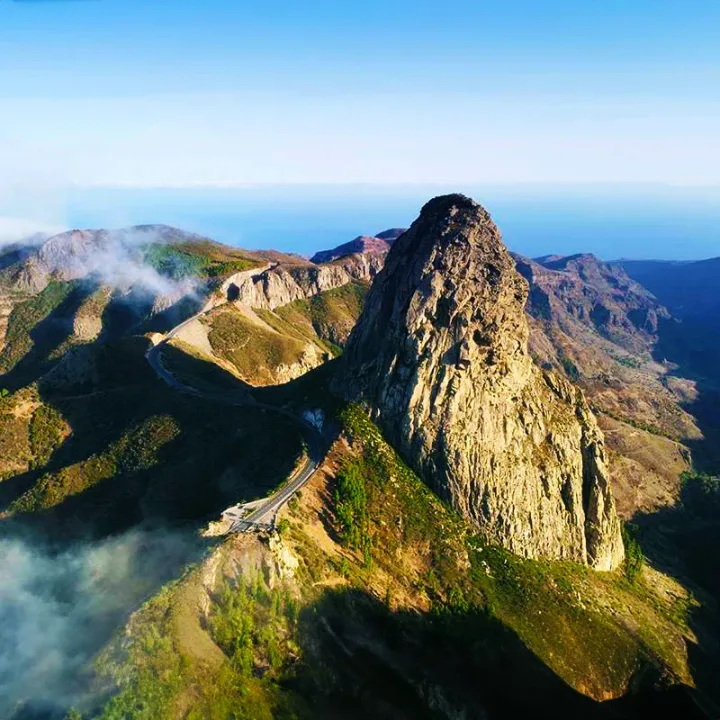 Guided Tours
 La Gomera Bus Tour from Tenerife
- Ferry included
- Laurel forest, a UNESCO reserve
- Lunch included
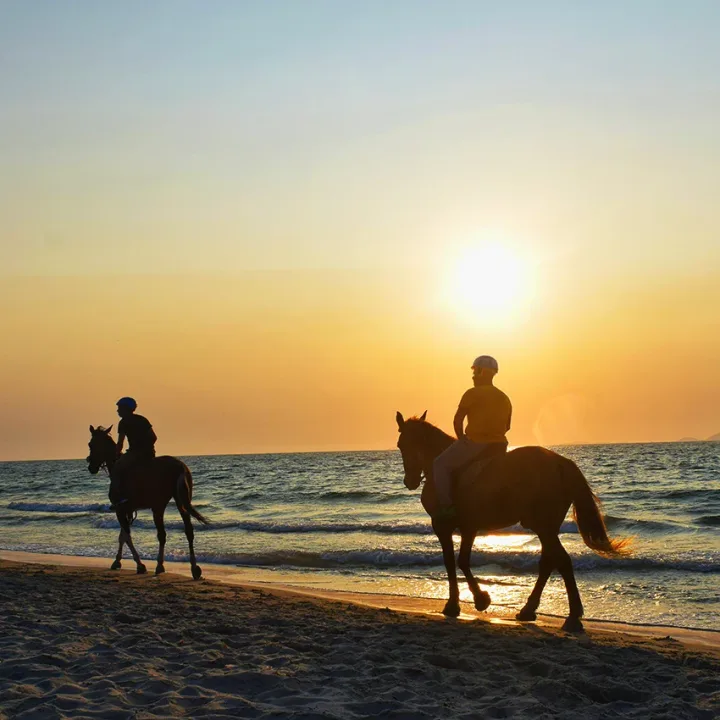 Fun Activities SALE
 Horse Riding Tenerife
- Beach and trail rides
- Sunset coastal ride
- Daily departures
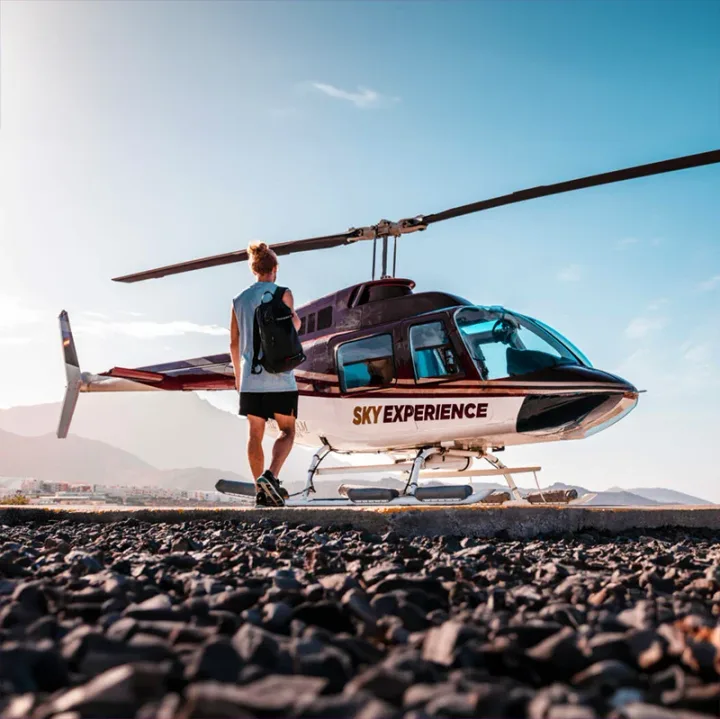 Fun Activities
 Helicopter Tour Tenerife
- 8 to 50 minute flights
- Up to 4 guests per flight
- Departs from Adeje