
Tenerife microclimates and what to pack: a month by month guide (updated 2026)
Tenerife microclimates and what to pack: a month-by-month guide
Tenerife is a small island with five distinct climate zones. You can leave a beach in Costa Adeje in 24°C sunshine and arrive at the top of Mount Teide an hour later in near-freezing temperatures with snow on the ground. The same day. This is what people mean by Tenerife microclimates, and it's the single thing that makes packing for Tenerife different from packing for any other Spanish or Mediterranean destination.
This guide covers what to pack for Tenerife by month, the temperatures you'll actually face in the south and the north, and the specific things most visitors forget.
Why Tenerife has microclimates
Tenerife sits in the Atlantic at the latitude of the Sahara, but the climate is much milder than that suggests. Three things create the microclimates:
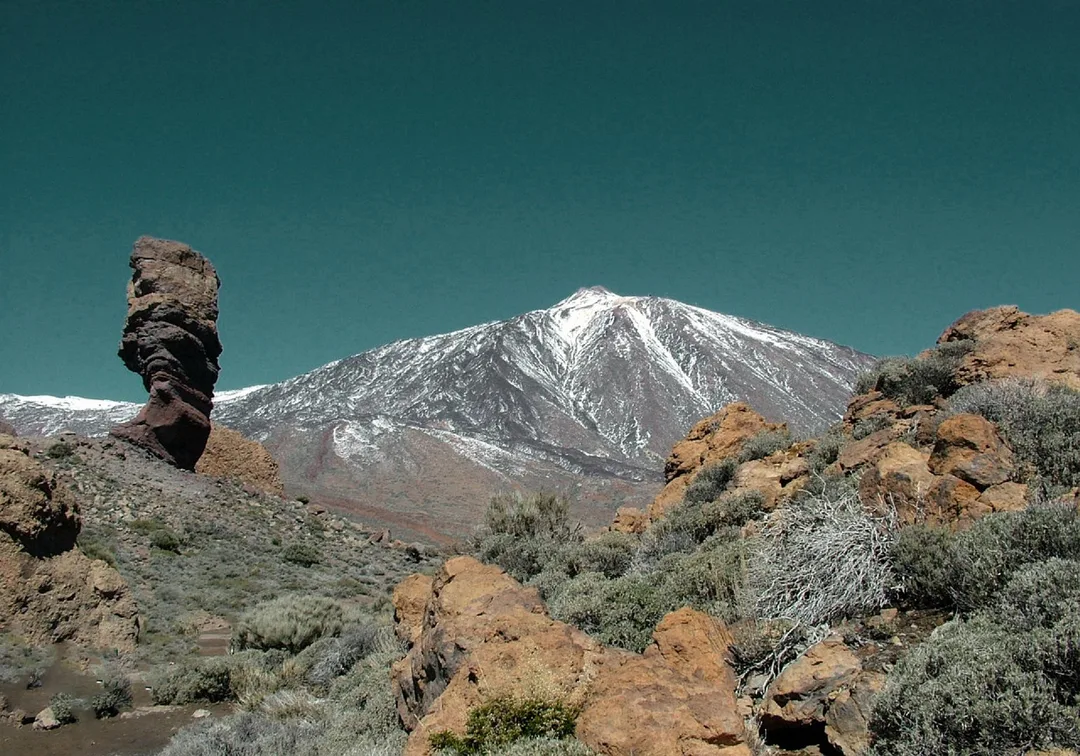
Mount Teide. At 3,718 metres, Spain's highest peak forms a wall in the middle of the island. The northeast trade winds hit the north, are forced upwards, and dump their moisture as cloud and occasional rain on the northern coast. The south, in the rain shadow behind Teide, stays dry and sunny.
The Canary Current. A cool Atlantic current flowing past the islands keeps coastal temperatures moderate even in summer. It also keeps the sea cooler than you'd expect for the latitude.
Altitude. The island goes from sea level to 3,718 metres in about 25 kilometres. Temperature drops roughly 6°C for every 1,000 metres of altitude. So if it's 22°C on the coast, it's around 0°C at the top of Teide.
The result: south Tenerife (Costa Adeje, Playa de las Americas, Los Cristianos, El Medano) is consistently 2 to 5°C warmer and significantly drier than north Tenerife (Puerto de la Cruz, La Orotava, La Laguna). And Teide is its own world.
Tenerife temperatures by month (south and north)
Average daytime temperatures (high) in the south versus the north. Sea temperatures are an island-wide average.
January: South 21°C, North 19°C. Sea 19°C. Coolest month. February: South 21°C, North 19°C. Sea 19°C. March: South 22°C, North 20°C. Sea 19°C. April: South 23°C, North 21°C. Sea 19 to 20°C. May: South 24°C, North 22°C. Sea 20°C. June: South 26°C, North 23°C. Sea 21°C. July: South 28°C, North 26°C. Sea 22°C. August: South 29°C, North 27°C. Sea 23°C. Hottest month. September: South 28°C, North 26°C. Sea 23 to 24°C. Warmest sea. October: South 26°C, North 24°C. Sea 23°C. November: South 24°C, North 22°C. Sea 21°C. December: South 22°C, North 20°C. Sea 20°C.
Night temperatures are typically 5 to 8°C lower. The coldest place on the island isn't the north coast though, it's the Teide area, where winter nights can drop below freezing.
What to pack for Tenerife: the always-bring list
Regardless of when you visit, these go in the suitcase:
Sunscreen (SPF 30 minimum, ideally 50). Tenerife is at the latitude of the Sahara. UV is strong year-round, even on cloudy days. Sunburn is the most common holiday problem here. Buy in advance because it's expensive on the island.
Sunglasses. Same reason.
A hat. Same reason.
Comfortable walking shoes or trainers. Even if you're only planning beach days, you'll end up walking on cobblestones, lava rock, or uneven streets. Flip-flops aren't enough.
A light jacket or fleece. Even in August, evenings on the coast can feel cool, especially with the breeze. In winter you'll want it during the day in the north and on Teide.
Swimwear. Year-round. The sea is swimmable every month if you're not too fussy about cold.
A daypack. For carrying water, sunscreen, layers, and snacks on day trips.
Reusable water bottle. Tap water in Tenerife is technically safe but tastes bad in many areas. Most locals drink bottled. A refillable bottle saves plastic if you can find a refill point.
Power adapter (Type C/F, EU plug). Standard European, same as mainland Spain.
Travel insurance. Especially if you're hiking or doing water sports.
What to pack for Tenerife by month
What to wear in Tenerife in January and February
The coolest months. Daytime highs around 21°C in the south, 19°C in the north. Nights drop to 12 to 15°C on the coast and below 5°C at altitude. Pack:
- Light layers: t-shirts, long-sleeved shirts, light sweaters
- A proper jacket (not just a windbreaker) for evenings and the north
- Long trousers and jeans
- A pair of shorts (you'll get warm days)
- Closed shoes or trainers
- One swimwear set (the sea is 19°C, brisk but doable)
- Umbrella or light raincoat if you're heading north
- Warm layers if you're going to Teide (it can snow)
This is winter sun territory for northern Europeans, but it's not summer. Don't pack like you're going to Greece in August.
What to wear in Tenerife in March
Slightly warmer. Daytime highs around 22 to 23°C in the south, 20 to 21°C in the north. Wildflowers start appearing on the hillsides. Same packing as January and February but with more shorts and t-shirts.
What to wear in Tenerife in April
Spring is in full swing. South coast hits 23 to 25°C during the day, the sea is around 19 to 20°C (still cool but more swimmers giving it a go). Pack:
- T-shirts and shorts for daytime
- Light long-sleeved layers for evenings
- One light jacket or hoodie
- Trainers or sandals
- Swimwear
- Sunscreen, hat, sunglasses
- Light rain jacket if visiting the north
April is one of the most balanced months for packing: warm enough for beach gear, cool enough that you still need a layer.
What to wear in Tenerife in May
Warm and settled. Highs of 24°C in the south, 22 to 23°C in the north. Sea warms to 20°C. Pack mostly summer clothes with one light layer for evenings. Rain is rare. One of the best months for almost any kind of trip.
What to wear in Tenerife in June, July, August
Summer. Highs of 26 to 29°C in the south, 23 to 27°C in the north. Sea 21 to 23°C. Pack:
- Light, breathable summer clothes (cotton, linen)
- Swimwear (multiple sets if you'll be in the water daily)
- Shorts, dresses, t-shirts
- One light layer for air conditioning indoors and evening breeze
- Sandals, flip-flops, plus trainers for excursions
- Strong sunscreen (SPF 50)
- Hat, sunglasses, beach bag
- Reef-safe sunscreen if you're snorkelling
Note: even in August, evenings on the coast can drop to 19 or 20°C. A light cardigan or hoodie is useful for outdoor dinners.
If August is your month and a calima (Saharan dust event) hits, temperatures can spike 5 to 8°C above normal and visibility drops. There's nothing to pack for it, but expect it to happen for one or two days at some point.
What to wear in Tenerife in September and October
Still warm. Sea reaches its annual peak at 23 to 24°C in September (the warmest swimming of the year). Daytime highs of 26 to 28°C in the south. Pack the same as summer, but October starts to need an evening layer more reliably. Rain becomes slightly more likely in the north towards the end of October.
What to wear in Tenerife in November
The transition to winter. South still hits 24°C most days, north around 22°C. Sea 21°C. The wettest part of the year starts, but "wet" in Tenerife means a few rainy days, mostly in the north. Pack:
- Mix of summer and shoulder-season clothes
- T-shirts and shorts for warm days
- Long-sleeved tops and light trousers for cooler ones
- A jacket for evenings
- One pair of trainers, plus sandals
- Swimwear (still usable)
- Light raincoat or umbrella
What to wear in Tenerife in December
Mild and pleasant but cooler. Highs of 22°C in the south, 20°C in the north. Some cloudy days. Sea 20°C. December is the wettest month on average (around 56mm), but the rain is concentrated in the north and falls in short bursts. Pack:
- Long trousers and jeans
- T-shirts and long-sleeved tops
- A jumper or fleece
- A proper jacket (not just a windbreaker)
- Closed shoes
- Swimwear (yes, people swim)
- Light rain jacket
- Warm layer for Teide if visiting
December is winter sun for northern Europeans but it's not Caribbean weather. Manage expectations and pack accordingly.
Packing for Teide: don't underestimate the mountain
This is the bit most visitors get wrong. Teide is roughly 15 to 20°C cooler than the coast year-round. If it's 24°C in Costa Adeje, it's around 5 to 9°C at the cable car top station (3,555m). In winter the summit can be well below freezing with snow.
If you're going to Teide National Park, bring:
- Long trousers
- Closed shoes (trainers or hiking boots)
- A warm sweater or fleece
- A wind-resistant jacket
- A hat (especially summer, sun is intense at altitude)
- Sunglasses (UV is much stronger up there)
- Sunscreen (same reason)
- Water (it's dry)
For the cable car to the summit, add a hat and gloves in winter. People in t-shirts and shorts shivering at the top station is one of the most predictable sights in Tenerife.
For stargazing tours at night, dress like you're going skiing. Even in summer, nighttime temperatures at altitude are around 5 to 10°C, and once the sun goes down it gets cold fast. Most stargazing operators provide thermal jackets and hot chocolate, but bring your own warm layers underneath.
Can you swim in Tenerife year-round?
Yes, technically. The sea ranges from 19°C (January to March) to 24°C (September). For comparison, the UK sea is around 8°C in winter and 17°C in summer. Tenerife's sea is always warmer than that.
Whether you'll personally swim depends on your tolerance. 19°C is brisk and most casual swimmers will find it uncomfortable. Locals and regular sea swimmers swim year-round, often with no wetsuit. Tourists from warmer countries usually wait until the sea is at least 21°C (June onwards).
If you're visiting in winter and you definitely want to swim, the south coast is warmer than the north (sheltered, sunnier, calmer). Beaches like Playa del Duque and Playa de las Vistas are good winter swimming options.
For year-round swimming in heated water, most resorts have heated pools, and the Lago Martianez complex in Puerto de la Cruz has saltwater pools that are usable in any season.
North vs south: how packing differs
If you're staying in south Tenerife (Costa Adeje, Playa de las Americas, Los Cristianos, El Medano):
- More shorts, t-shirts, summer clothes
- Less rain gear
- Slightly less in the way of warm layers (but still bring some)
- Beach gear gets daily use
If you're staying in north Tenerife (Puerto de la Cruz, La Orotava, La Laguna, Anaga):
- More layers, including a proper jacket
- Light rain jacket or umbrella, especially November to March
- Closed shoes more often than sandals
- Beach gear less essential (the north has fewer big sandy beaches and the sea is rougher)
If you're visiting both, pack for the colder side and just leave the layers off when you're on the warmer one.
Tenerife packing FAQ
Do I need a warm jacket in Tenerife in summer?
A light layer for evenings is useful. A heavy winter jacket isn't needed unless you're going to Teide.
Do I need an umbrella in Tenerife?
In the south, no (rain is rare). In the north between November and March, a small umbrella or light raincoat is worth packing.
Can I wear shorts in winter?
Yes, on warm days in the south. But also pack long trousers because not every day will be shorts weather.
What shoes do I need?
At minimum: trainers or comfortable walking shoes plus sandals or flip-flops. Add proper hiking shoes if you're doing serious hiking.
Do I need formal clothes?
Tenerife is casual. Restaurants in the resorts don't have dress codes. The fanciest places (Michelin-starred restaurants in Costa Adeje resorts, casinos) expect smart casual but not black tie.
What's the dress code on the beach?
Swimwear is fine on the beach and beach bars. Topless sunbathing is legal and common. Nudism is legal on certain beaches (Playa de la Tejita has a clothing-optional section). Off the beach, cover up: walking around resorts in just swimwear isn't done.
Will there be snow on Teide?
Possible from December to April, especially January and February. Snow can close the road to the cable car for a day or two when it falls. Check conditions before driving up.
Planning your Tenerife trip
Whatever month you visit, CanaryVIP has excursions and activities across Tenerife with hotel pickup from the south coast resorts. From whale watching to water sports, Teide tours, and guided island tours.
For more on choosing when to visit, see our best time to visit Tenerife guide. For deciding where to stay, see our north vs south Tenerife comparison.