
Quiet Tenerife: hidden beaches, local towns, and places away from the crowds

The quieter side of Tenerife: beaches, towns, and places most tourists miss
Most visitors to Tenerife stay in the southern resort strip between Costa Adeje and Los Cristianos. It's warm, convenient, and packed with things to do. But if you spend your entire holiday there, you'll miss the parts of the island that make Tenerife genuinely different from any other beach destination.
This guide covers the quieter beaches, the towns that haven't been swallowed by tourism, and the spots where you can actually hear the sea instead of a bar's playlist. Some are 20 minutes from your hotel. Others need a car and a bit of effort. All of them are real places, not something pulled from a marketing brochure.
Quiet beaches in the south (close to the resorts)
You don't have to drive to the north coast to find a peaceful beach. There are quieter spots within reach of the main tourist areas:
Playa Diego Hernandez. A hidden cove between La Caleta and El Puertito, about 80 metres of golden sand accessible only on foot (20 to 30 minutes from La Caleta along a rocky coastal path). No facilities, no sunbeds, no lifeguards. Clothing-optional. Dog-friendly. Best at low tide. Bring water, food, shade, and proper shoes (not flip-flops). Views across to La Gomera and good sunsets. This is technically in Costa Adeje, about 15 minutes by car from the main resort strip, but it feels like a completely different island.
La Caleta. A small fishing village between Costa Adeje and Playa Paraiso. The beach itself is small and rocky, but the village has some of the best fish restaurants in south Tenerife (ask locals which one, they all have opinions). The atmosphere is calm, local, and a world away from Playa de las Americas. Easy to reach by car or bus.
Playa de la Tejita. One of the longest natural beaches in Tenerife, backed by the red volcanic cone of Montana Roja. Natural grey-brown sand, no sunbeds, no beach bars. Popular with windsurfers and kitesurfers in the afternoon, but the western end near Montana Roja is usually quiet, especially on weekdays. A 20-minute walk from El Medano town.
El Puertito. A tiny bay south of La Caleta where you can sometimes snorkel with sea turtles. The beach is small and the facilities are minimal, but it's one of the more unusual spots near the resorts. Getting crowded on weekends as word spreads, so go early on a weekday.
Quiet beaches further afield
These need a car (or a guided tour) but are worth the effort:
Playa El Bollullo. A large black sand cove near Puerto de la Cruz on the north coast, hidden below cliffs and banana plantations. About 4 km east of Puerto de la Cruz. You can drive to the Restaurante Bollullo at the top (parking €3) and walk down in about 10 to 15 minutes via steep steps. Or walk from La Paz in Puerto de la Cruz through the banana plantations (about 30 to 35 minutes). The beach has a small bar/cafe, sunbed rental, and fine black volcanic sand. The waves can be strong and the currents dangerous, so swim with caution and check flags. No lifeguard. Locals love this beach; tourists rarely find it.
Playa de Benijo. A wild, dramatic beach inside the Anaga Rural Park on the northeast coast. Black sand, towering cliffs, and views of the Roques de Anaga rock formations. Access via narrow mountain roads to Taganana, then steps down to the beach. No facilities on the sand. Strong currents; experienced swimmers only. The sunsets here are extraordinary. Two small fish restaurants above the beach (El Mirador de Benijo and La Cueva). Full details in our beaches guide.
Playa de Abama. Golden sand, sheltered by cliffs, below the Ritz-Carlton Abama in Guia de Isora. Public access via a long staircase from the road above. Small beach bar and sunbeds at the bottom. One of the most secluded and scenic settings on the island, though it can fill up when hotel guests come down.
Piscinas naturales de Garachico (El Caleton). Not a beach, but one of the best swimming spots in Tenerife. Natural volcanic rock pools formed when the Trevejo volcano erupted in 1706 and lava flowed into the sea. Several pools of different sizes and depths, some calm enough for children, others open to the sea. Free entry, metal ladders and platforms, restaurant on the rocks, lifeguards in summer. Next to the 16th-century San Miguel Castle. Bring water shoes (the volcanic rock is sharp). Bus line 363 from Puerto de la Cruz.
Towns that haven't been taken over by tourism
If you want to see how people actually live in Tenerife (rather than how the resort areas cater to visitors), these towns are worth a visit:
Garachico. A small historic town on the north coast, partly buried by the 1706 eruption. Cobblestone streets, colonial architecture, the San Miguel Castle, a small harbour, and the El Caleton rock pools right on the waterfront. A handful of good restaurants. Very few tourists compared to the south. About 90 minutes from Costa Adeje by car, or reachable on a north Tenerife guided tour.
La Orotava. A hillside town above Puerto de la Cruz in the Orotava Valley. Beautiful traditional Canarian architecture (wooden balconies, flower-filled courtyards), botanical gardens, and views down to the coast with Teide behind. The Casa de los Balcones is worth a stop. Less than an hour from the south by car.
Vilaflor. The highest village in Tenerife (and one of the highest in Spain), surrounded by pine forest on the road up to Teide. Quiet, traditional, with a few restaurants and a good starting point for forest walks. Most people drive through on the way to Teide without stopping, which is a shame.
San Juan de la Rambla. A tiny, quiet town on the north coast between Puerto de la Cruz and Garachico. Traditional Canarian houses, a small church, and hardly any tourists. Good for a lunch stop if you're driving the north coast.
Tegueste. A small inland town northeast of La Laguna with a weekend farmers' market (Saturday and Sunday, 8am to 2pm, 33 stalls selling directly from local producers). Fruit, vegetables, cheese, meat, and traditional crafts. One of the most authentic market experiences in Tenerife.
Where to eat away from the tourist strip
Guachinches are the most authentic eating experience in Tenerife. They're informal, family-run eateries (mainly in the north, around Tacoronte, La Orotava, and the Orotava Valley) that serve homemade food and their own wine. The concept dates back to when vineyard owners would sell their new wine directly from home, along with simple food.
What to expect: papas arrugadas (wrinkled potatoes with mojo sauce), grilled meat or rabbit, local cheese, gofio, and house wine served in jugs. Prices are low (a full meal with wine for €8 to 15 per person is common). The setting is usually basic: plastic chairs, paper tablecloths, and no menu beyond what's chalked on a board or told to you verbally.
Guachinches open and close unpredictably (they're often only open while the current wine lasts) and don't always show up on Google Maps. Ask locals or check Tenerife-specific blogs for current recommendations. The Tacoronte-Acentejo wine region, above Puerto de la Cruz, has the highest concentration.
For fish, the fishing villages of La Caleta (south coast) and El Puertito de los Silos (north coast) have restaurants serving fresh catch at local prices.
When to go for fewer crowds
The quietest months for tourism in Tenerife are May, June, and November. The weather is still good (20 to 26°C in the south) but the peak season crowds (Christmas, Easter, July to August) have gone. Even the popular southern beaches feel more relaxed during these shoulder months.
Within any given week, weekdays are always quieter than weekends, both at beaches and in towns. If you're visiting a hidden beach like Bollullo or Diego Hernandez, going on a Tuesday or Wednesday makes a noticeable difference.
Early mornings are the secret weapon. Most tourists don't reach the beach before 11am. Arriving at 9am (especially in summer when the light is already good) gives you the best conditions: calm water, empty sand, and no competition for shade.
Getting to the quiet spots
Most of these places are not well served by public transport. A rental car gives you the most flexibility, especially for the north coast and mountain villages. Local companies like CICAR and Autoreisen tend to be cheaper than international chains.
If you don't want to drive, CanaryVIP's guided bus tours cover north Tenerife (La Laguna, Anaga, Icod de los Vinos, Garachico) with hotel pickup. Jeep tours reach more remote spots like Masca and the Teno mountains.
For the coastline, a boat trip or private boat charter lets you see the south and west coast from the water, including stretches that are inaccessible by land. The waters off south Tenerife are home to around 500 resident pilot whales, and sighting rates on excursions are close to 100%.
Related experiences
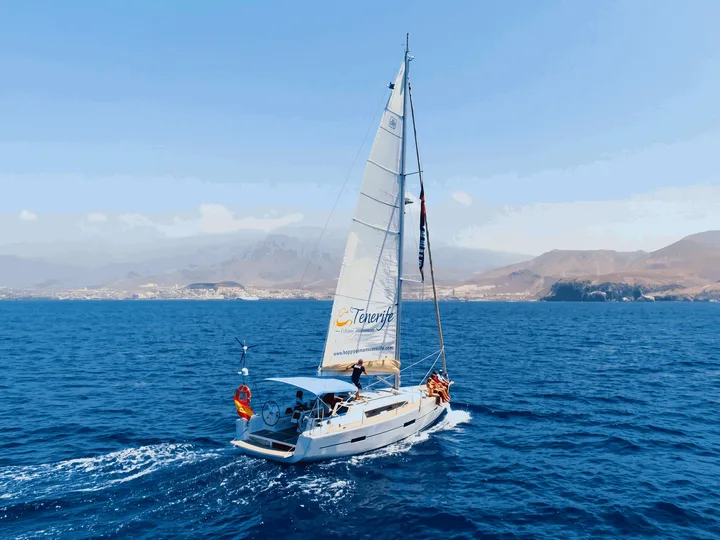 Boat Excursions SALE
 Whale Watching Sailboat Tenerife
- Whale & dolphin watching
- Max 11 guests
- Shared or private
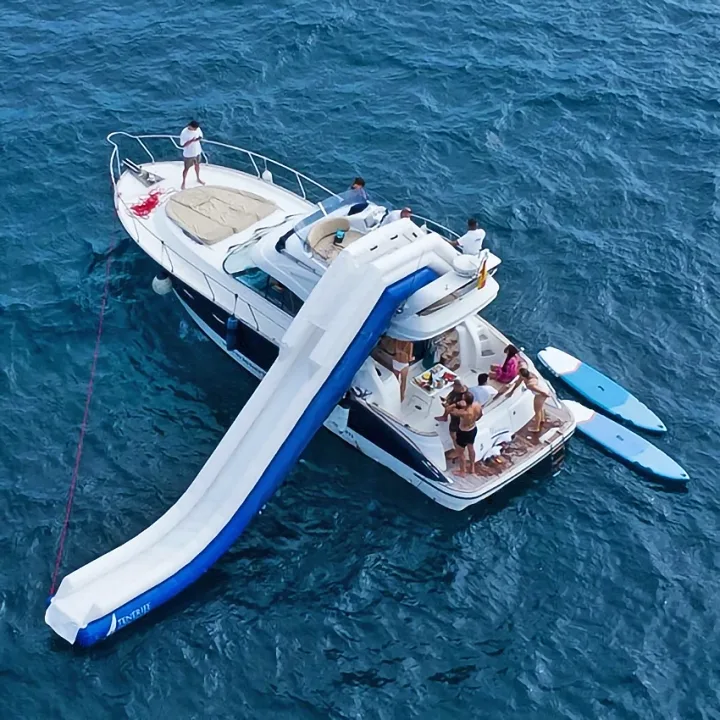 Boat Charters SALE
 No Worries Yacht Tenerife
- Private yacht charter
- Up to 10 guests
- Meals and drinks included
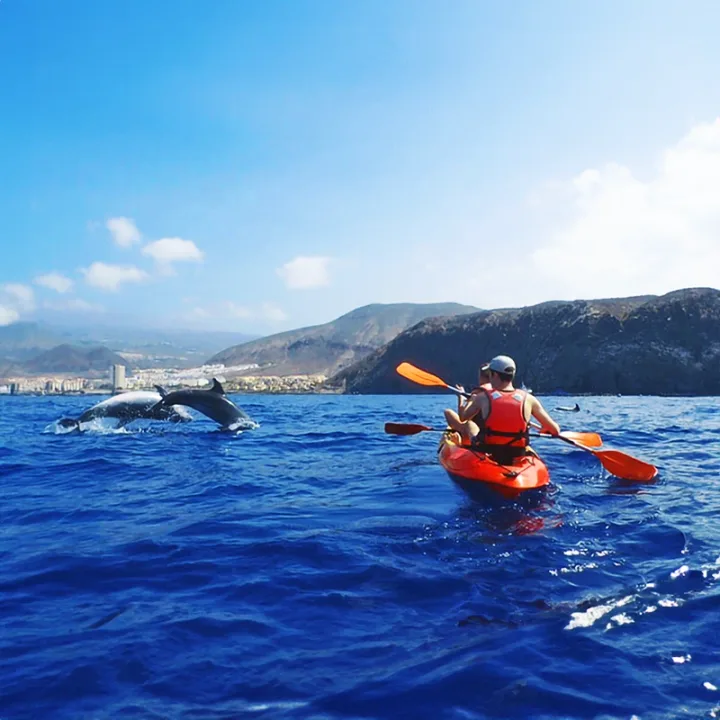 Water Sports SALE
 Kayak + Snorkeling Tenerife
- No experience needed
- 30-minute snorkel stop
- Daily departures
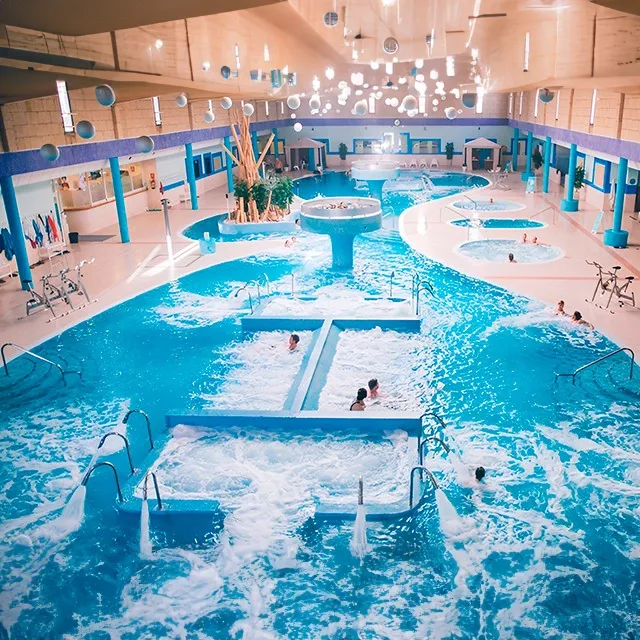 Fun Activities
 Aqua Club Termal Spa Tenerife
- 18 spa areas
- Open every day
- 3 hours, no time slot