
La Orotava: what to see, where to eat, and whether it's worth visiting
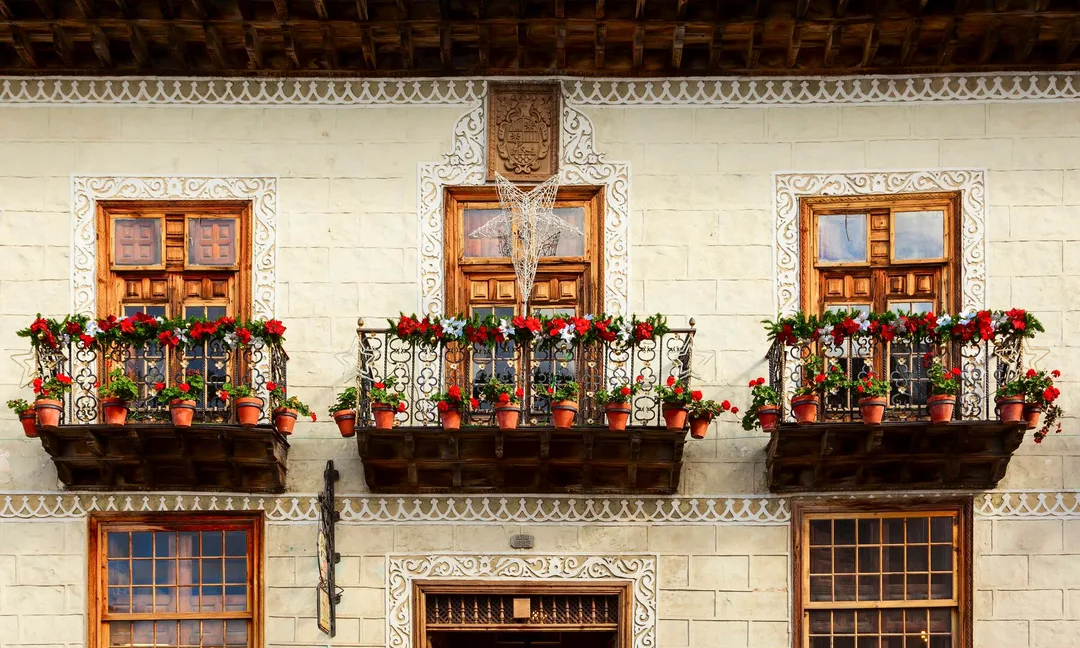
La Orotava is a historic town on Tenerife's north coast, set on a hillside in the Orotava Valley with direct views of Mount Teide. It's about 10 minutes uphill from Puerto de la Cruz and roughly an hour's drive from the southern resorts. The town is known for its carved wooden balconies, colonial mansions, and the Corpus Christi flower and sand carpets that take over the streets every June.
Is La Orotava worth visiting? Yes. It's one of the best-preserved historic towns in the Canary Islands, and it feels genuinely different from the resort areas. If you're spending a week in Tenerife and only visit one northern town, La Orotava is a strong candidate (along with La Laguna, which has a different character).
What to see in La Orotava
Casa de los Balcones. The most visited building in La Orotava. A 17th-century manor house (built 1632) with the carved Canary Island pine balconies that the town is famous for. Now a house museum with antique furniture, a traditional Canarian courtyard with tropical plants, and a craft shop selling local embroidery (calados). Self-guided audio tour. Open daily 8:30am to 6:30pm. Entrance around €5 to €7. Free parking.
Casa Lercaro. Another 17th-century mansion a few doors down, also with impressive wooden balconies and courtyards. Less visited than Casa de los Balcones, which means a quieter experience. Now a cultural centre.
Iglesia de Nuestra Senora de la Concepcion. The main church of La Orotava and one of the finest Baroque churches in the Canary Islands. The dome was inspired by Florence Cathedral. The exterior facade and twin towers are impressive from the outside even if you don't go in.
Jardines Victoria (Victoria Gardens). A terraced garden designed by French artist Adolph Coquet in the 19th century. Tiered levels with fountains, flowers, and a white marble mausoleum at the top. Free entry. The highest point gives panoramic views over La Orotava, the valley, the coast, and Teide. One of the best viewpoints in town.
Molino de Gofio. A working water mill where gofio (the traditional toasted grain flour used across the Canary Islands) is still produced. You can see how it's made and buy some to take home.
Hijuela del Botanico. A small, quiet botanical garden in the centre of La Orotava with exotic plants and dragon trees. Free entry. Good for 20 to 30 minutes of peaceful wandering.
The old town streets. Half the appeal of La Orotava is just walking through it. Steep cobbled streets lined with colourful houses, traditional Canarian wooden balconies on every other building, quiet plazas, and the occasional cat sunbathing on a wall. No entrance fee required.
Corpus Christi flower carpets (June)
If you happen to visit La Orotava in June, the Corpus Christi festival transforms the town. The streets of the historic centre are covered with carpets made from flower petals and volcanic sand, created by hundreds of volunteers overnight. The centrepiece is a huge sand carpet in the main square (Plaza del Ayuntamiento), designed with coloured lava sand from the Teide craters. La Orotava's sand carpet entered the Guinness Book of Records for its size (almost 860 square metres).
The tradition started in 1844 when the Monteverde family laid flowers outside their house for the Corpus procession. Today it's one of the most important festivals in Tenerife and a declared Asset of Cultural Interest. The carpets are laid for the Octava del Corpus, the Thursday after Corpus Christi, which in 2026 is 11 June.
La Orotava vs Puerto de la Cruz
Puerto de la Cruz is the main tourist town on Tenerife's north coast, with beaches, hotels, Loro Parque, and a livelier atmosphere. La Orotava is quieter, more historic, and more focused on architecture and local culture. They're 10 minutes apart by car, so there's no reason you can't visit both in the same day.
If you're staying in Puerto de la Cruz, La Orotava makes a perfect half-day excursion. Walk the old town in the morning, have lunch, and head back. If you're on a day trip from the south, you can combine La Orotava with Puerto de la Cruz and Loro Parque, or with Icod de los Vinos and the north coast.
Where to eat in La Orotava
La Orotava has good traditional Canarian restaurants that are less touristy (and usually cheaper) than what you find in the southern resorts or even in Puerto de la Cruz.
What to order: Papas arrugadas con mojo (wrinkled potatoes with red and green sauces), rabbit stew (conejo en salmorejo, a La Orotava specialty), grilled cheese with mojo, fresh fish, gofio-based dishes. For dessert, almond cake (bienmesabe) or frangollo.
Canarian wines: The Orotava Valley is a wine-producing area. The volcanic soil gives the wines a distinctive character. Look for wines from the DO Valle de la Orotava denomination on restaurant menus. The malvasia grape (the same one that Shakespeare wrote about) grows well here.
The town also has several guachinches in the surrounding area (informal, family-run eateries serving homemade food and house wine for €8 to 15 per person). These are the most authentic eating experience in Tenerife, but they open and close seasonally and don't always advertise. Ask locally. See our markets and local food guide for more on where to eat in Tenerife.
How to get to La Orotava
By car: From the south coast resorts (Costa Adeje), take the TF-1 motorway north, then the TF-5 towards Puerto de la Cruz. Exit for La Orotava. About 1 hour. From Santa Cruz, about 30 minutes via the TF-5. Paid parking at Parking Lercaro near the old town centre.
By bus: TITSA lines 345 and 353 from Puerto de la Cruz (about 15 minutes). From Santa Cruz, bus 108.
On a guided tour: CanaryVIP's north Tenerife guided bus tours include La Orotava as part of a full-day itinerary with hotel pickup from the south. This is the easiest option if you don't want to rent a car or deal with parking.
La Orotava walking tour: suggested route
You can see the main sights of La Orotava in 2 to 3 hours on foot. The town is hilly (it's built on a slope), so wear comfortable shoes.
Start at the Jardines Victoria at the top of town for the views. Walk downhill through the old town streets, past colourful houses and wooden balconies, to Casa de los Balcones (allow 30 to 45 minutes inside). Continue to Casa Lercaro and the Molino de Gofio. Walk to the Iglesia de la Concepcion and the Plaza de la Constitucion. Finish with coffee or lunch at one of the restaurants around the main square.
If you have more time, add the Hijuela del Botanico garden and explore the quieter residential streets further from the centre. The town rewards aimless wandering.
Tips for visiting La Orotava
Allow half a day. 2 to 3 hours for the main sights, plus lunch. You could spend longer if you like slow exploration.
Wear proper shoes. Cobblestones and steep hills. Flip-flops are a bad idea.
Weather. La Orotava is on the north coast at about 400 metres elevation. It's often cloudier and a few degrees cooler than the south coast. Bring a light layer, especially in winter.
Combine with other stops. Puerto de la Cruz (10 min), Loro Parque (15 min), Icod de los Vinos (20 min), or the Teide road from the north side.
If you visit in June: The Corpus Christi carpets (11 June 2026) are the single most visually spectacular event in Tenerife. The town gets very busy on that day but it's genuinely worth seeing.
Explore north Tenerife with CanaryVIP
North Tenerife guided bus tours include La Orotava, La Laguna, Icod de los Vinos, Garachico, and other highlights with hotel pickup from the south. Jeep tours cover more remote areas including the Teno mountains.
Related experiences
 Guided Tours
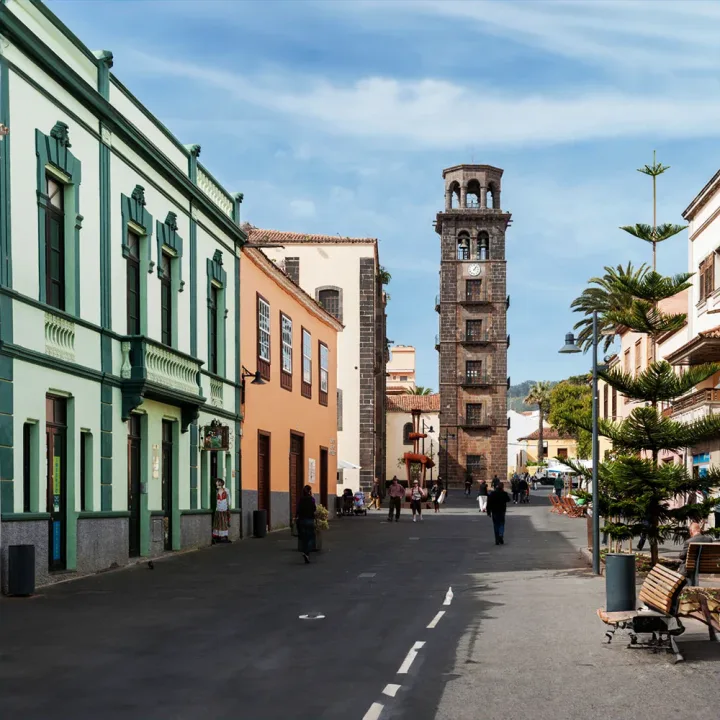
 North Tenerife Guided Bus Tour
- Santa Cruz, Taganana & La Laguna
- Free hotel pickup
- Departs Mondays and Thursdays
 Guided Tours
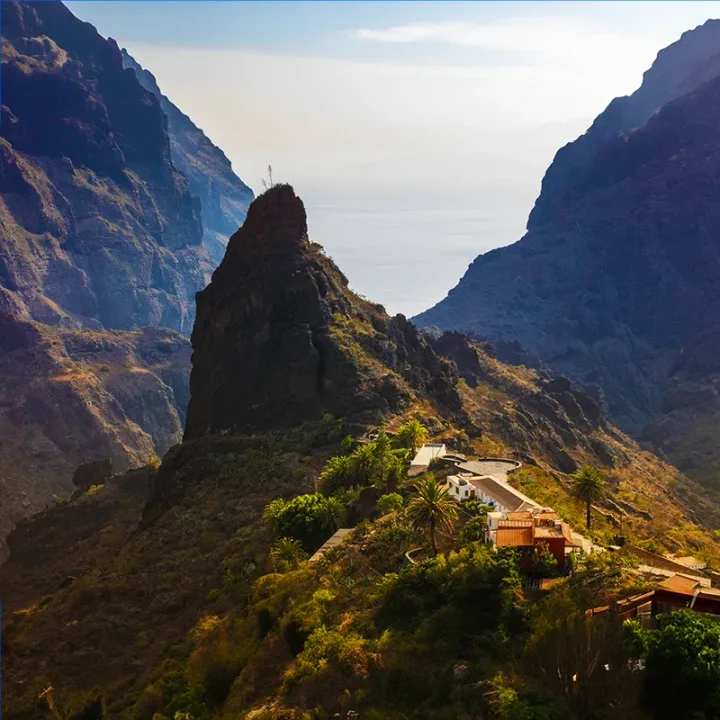
 Teide & Masca Bus Tour Tenerife
- Teide National Park
- Free hotel pickup
- Full-day tour
 Guided Tours
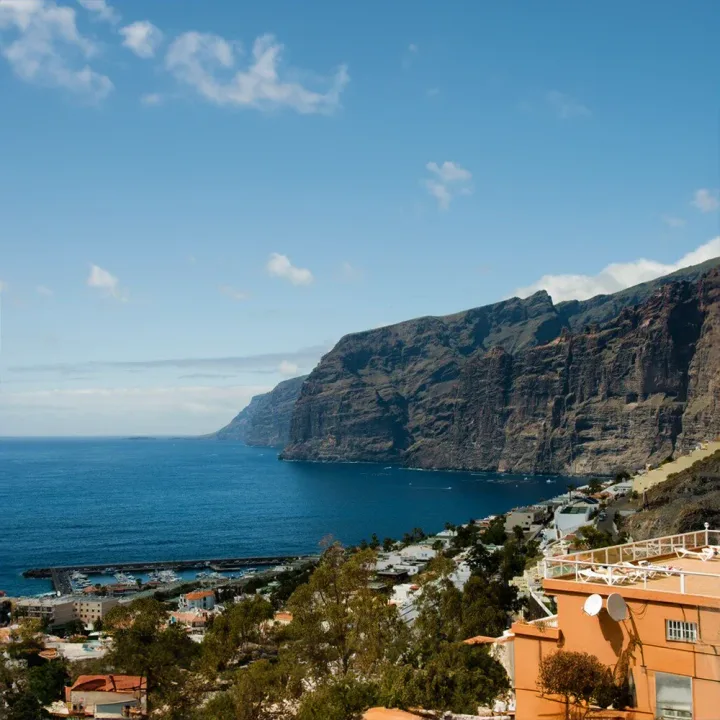
 Tenerife Island Tour
- Six island stops
- Free hotel pickup
- Departs Tuesdays and Saturdays