How to get around Tenerife: do you need a car or not?
The short answer: it depends on where you’re staying and what you want to see. If you’re sticking to one resort area in the south and booking excursions for everything else, you don’t need a car. If you want to explore the north, the rural areas, or hike beyond the obvious spots, a car makes life much easier.
This guide is a quick decision tree for getting around Tenerife. It covers the four ways to move around the island (car, public bus, taxi, organised excursions), what each one is good for, and which one fits your trip.
The fast answer based on your trip
Beach holiday in one resort + excursions = no car needed. If you’re staying in Costa Adeje, Playa de las Americas, or Los Cristianos and your plan is beach by day, a few CanaryVIP excursions, and dinner at the resort, you can do the entire trip without renting a car. Most excursions include hotel pickup, and taxis are cheap for short hops.
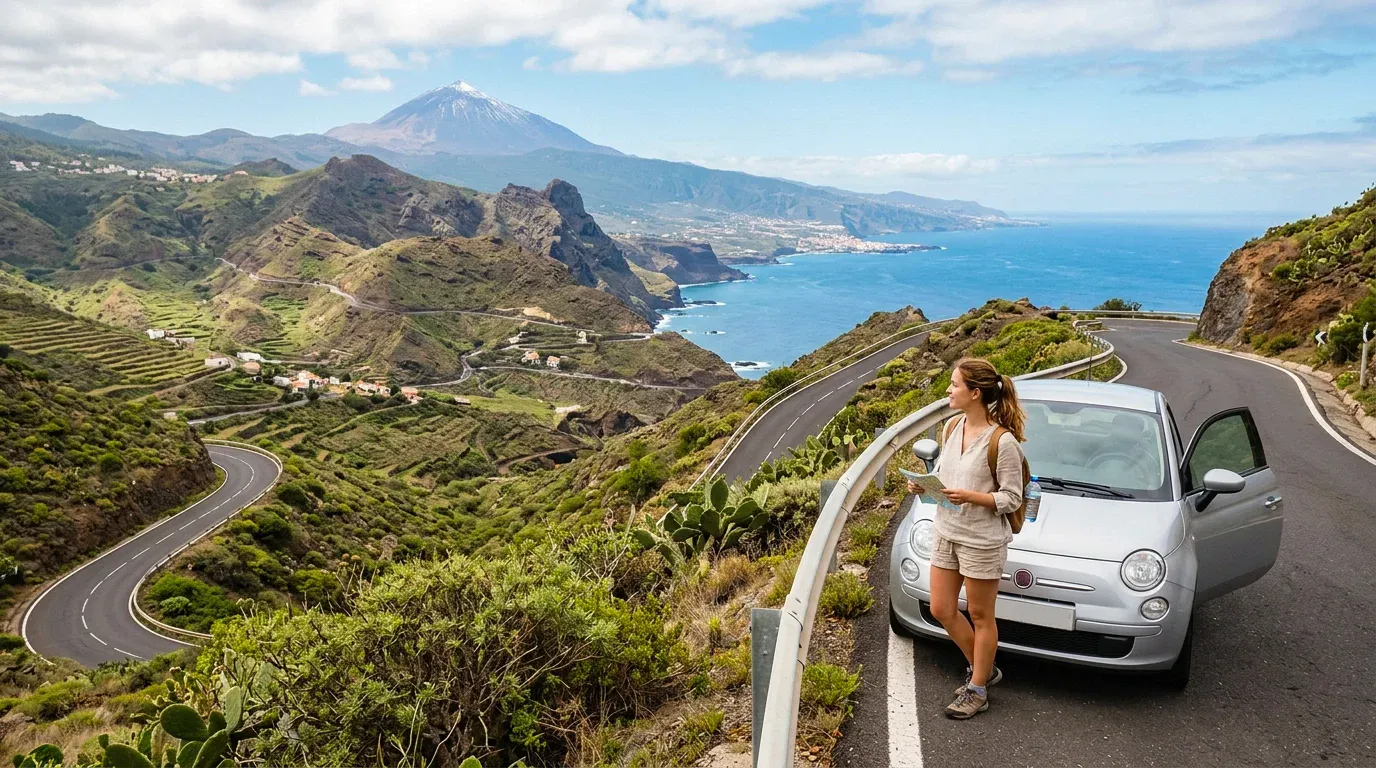
Want to visit the north or do day trips on your own = rent a car. If you want to drive to the Anaga forest, explore the wine country around Tacoronte, find quiet beaches, or do photo stops on your own schedule, a car is essential. Public transport reaches the main towns but not the interesting backroads.
Mixed trip = combine car for a few days + excursions. Some visitors rent a car for 2 to 3 days only (when they want to explore) and rely on excursions or public transport the rest of the time. Cheaper than renting for the whole stay.
Staying in the north (Puerto de la Cruz, La Orotava) = car strongly recommended. The north has fewer organised excursions departing from it, and public transport between northern towns is less frequent than the south. A car gives you access to the best parts of the north (Anaga, Garachico, the back roads).
Option 1: Renting a car
The most flexible option. Tenerife has good roads, modern motorways (TF-1 in the south, TF-5 in the north), and clear signposting. Rental prices are among the lowest in Spain because of competition between dozens of local and international operators.
Pros: Total flexibility. Access to remote areas. Cheaper than taxis if you’re moving around a lot. Let you discover places that aren’t on bus routes.
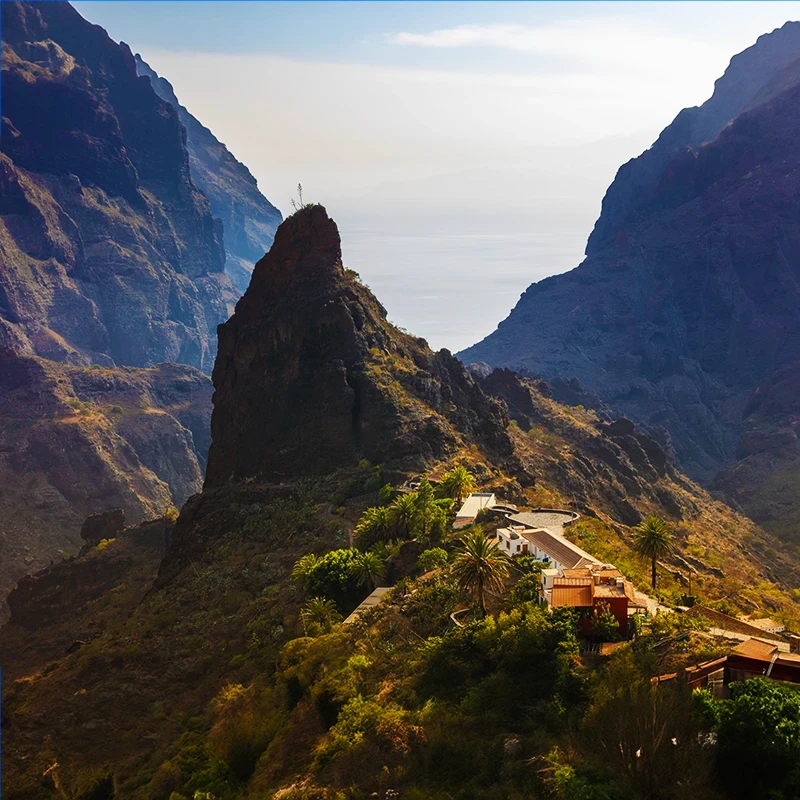
Cons: Parking in tourist resorts can be a pain in peak season. Some rural roads are narrow and winding (especially in Anaga, Teno, and the route to Masca). Local rental companies sometimes try to upsell unnecessary insurance.
Quick tip: Local Canarian companies like CICAR and Autoreisen tend to be cheaper than international chains and don’t push as many add-ons. Book ahead in peak season.
For everything you need to know about driving in Tenerife (rental tips, road rules, fuel prices, parking, scenic drives), see our full guide to driving in Tenerife.
Option 2: Public buses (TITSA)
Tenerife’s public bus network is run by TITSA, and it’s surprisingly good. Locals call the buses “guaguas”. You can get to the main towns, beaches, and tourist spots from the south coast resorts without too much trouble. Frequencies drop off in rural areas and at night.
Pros: Cheap. Reliable on the main routes. The Ten+ card (formerly Bono) gives you significant discounts (sometimes more than 50%) compared to single tickets. Stress-free if you don’t want to drive.
Cons: Slow on routes that aren’t direct. Limited service to small villages and rural areas. You can’t easily reach Anaga’s best hiking spots or remote beaches.
Useful routes for tourists: Route 111 (Costa Adeje to Santa Cruz, fast express), Route 343 (Puerto de la Cruz to Los Cristianos, stops at both airports), Route 110 (Costa Adeje to Santa Cruz), Route 040 (Costa Adeje to TFS airport).
Taxis in Tenerife are metered and regulated. Fares are reasonable for short trips and a fair option in a group of 3 or 4 splitting the cost.
Standard rates (2026):
– Daytime base fare (Mon to Sat): around €3.15
– Per kilometre (day): around €0.55
– Evening, Sundays, holidays base: around €3.45
– Per kilometre (night/holidays): around €0.63
– Airport supplement: around €1.70
Example fares: Tenerife South Airport (TFS) to Costa Adeje is about €26 by metered taxi, 12 to 15 minutes. From TFS to Los Cristianos around €24. Tenerife North Airport (TFN) to Costa Adeje is much more expensive (around €80 to €98) because it’s further away.
How to find a taxi: Official taxi ranks at airports, hotels, and main tourist spots. White cars with a green light when free. Apps like FreeNow work in some areas. Uber is limited and typically goes through local taxis.
Pros: Quick, no waiting for buses, door to door, no need to navigate or park.
Cons: More expensive than buses for solo travellers. Long-distance taxi trips (e.g. resort to north coast) get pricey fast. Always check the meter is set correctly before starting.
Option 4: Organised excursions
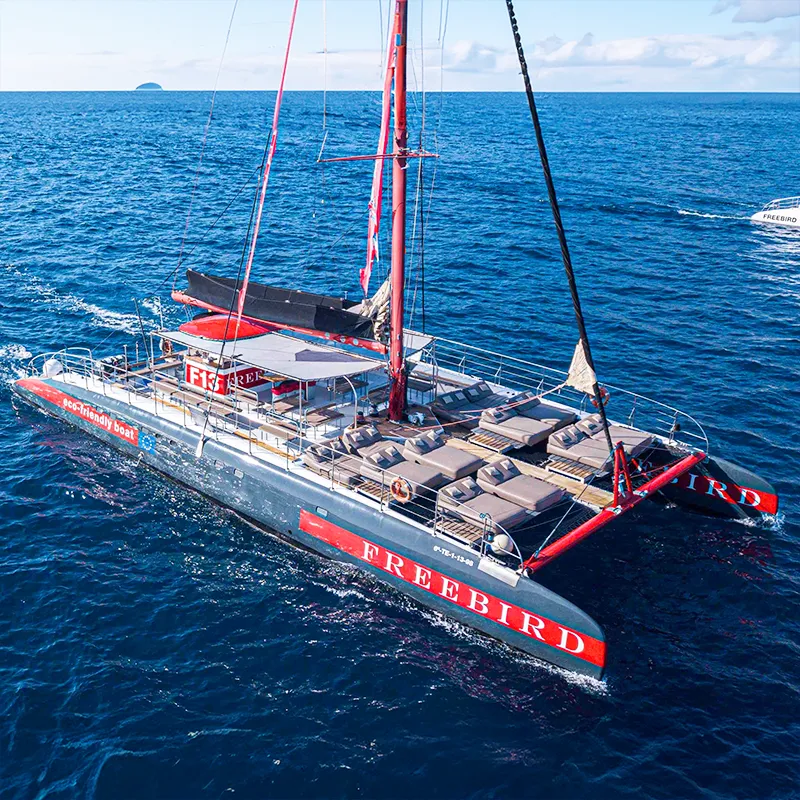
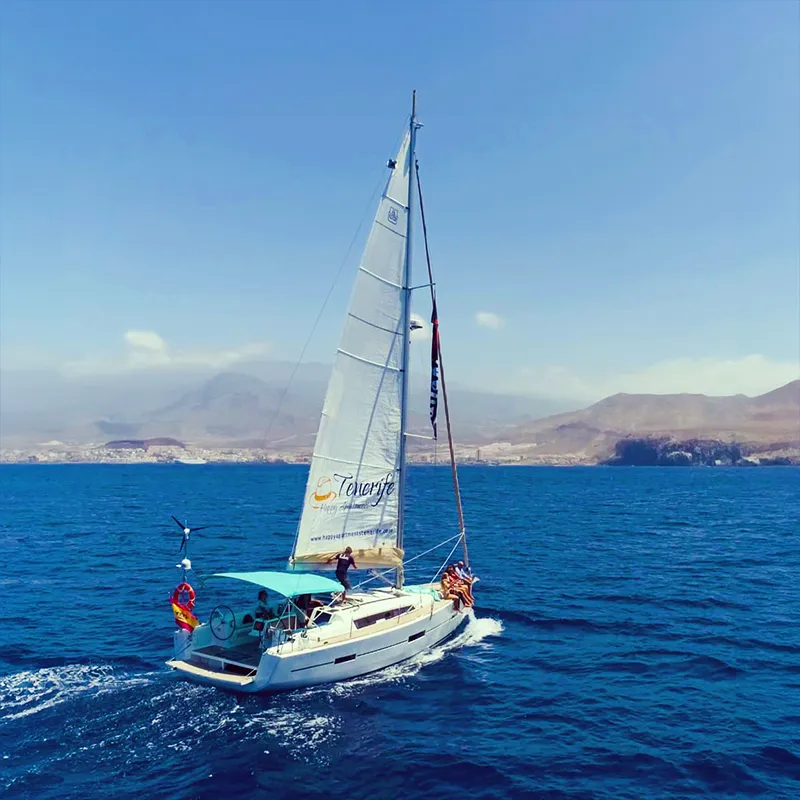
If you don’t want to drive and the bus doesn’t reach where you want to go, the third option is booking excursions that include transport. Most major attractions in Tenerife (Teide, Loro Parque, Siam Park, the north towns, whale watching) can be reached on guided tours that pick you up from your hotel and bring you back at the end of the day.
This is the easiest way to see the island without driving. It’s also often cheaper than the combined cost of taxis or car rental + entrance fees, because most tour operators (including CanaryVIP) bundle the transport, the entrance, and sometimes meals.
Pros: Zero logistics. Hotel pickup. Local guides. Best Price Guarantee on bookings. Good for hitting multiple sights in one day without planning.
Cons: Fixed schedule, less flexibility than your own car. Less time at each stop than independent travel. Group format isn’t for everyone.
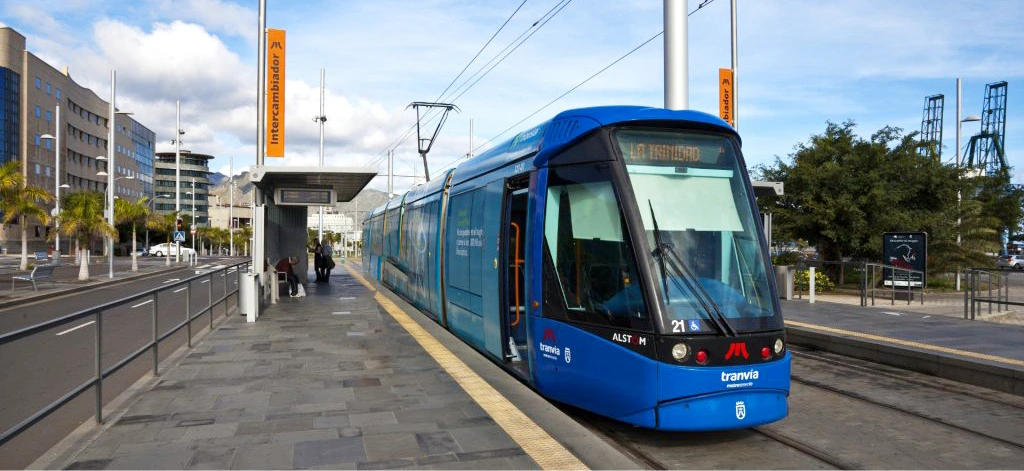
Tram (Tranvia de Tenerife). Only runs in the metropolitan area between Santa Cruz and La Laguna. If you’re staying in the north and want to visit both cities, the tram is the fastest, easiest option. €1.35 per single ticket.
Walking. Most resort areas in the south have good seafront promenades. You can walk between Costa Adeje, Playa Fanabe, Playa de las Americas, and Los Cristianos along the coast in a couple of hours. Comfortable and pleasant.
Bike rental. Bike paths along the south coast. E-bike rentals are common in the resort areas. Good for short trips along the coast, not realistic for crossing the island.
Scooter / quad rental. Available in tourist areas. Practical for short coastal hops but not for long trips or carrying luggage. See the Teide quad safari for a guided alternative.
Hitchhiking. Common between locals on the north coast and accepted, but not something I’d recommend to first-time visitors.
Quick decision summary
You’re in the south for a beach week + excursions: No car. Use buses, taxis, and book CanaryVIP excursions for the days you want to explore.
You want to drive to the north and explore on your own: Rent a car for the whole stay or for the days you need it.
You’re a couple staying 7+ days who wants to see everything: Rent a car for 3 to 4 days, use it for north Tenerife and Teide, drop it off, then enjoy the south on foot and by taxi.
You don’t want to drive at all: Combination of buses, taxis for short hops, and CanaryVIP excursions for the bigger sights. Completely doable, especially from Costa Adeje or Los Cristianos.
You’re staying in the north (Puerto de la Cruz): Rent a car. The north is harder to navigate without one and the best spots (Anaga, Garachico’s hidden corners, the back roads) need wheels.
Do you need to speak Spanish?
For getting around: not really. Most bus drivers, taxi drivers, and rental staff in tourist areas speak some English (and often German, French, or Italian). Public signage is in Spanish but easy to understand. Google Maps and Google Translate cover everything else. If you go into rural villages or genuinely local restaurants, basic Spanish helps.
Can you use Google Maps in Tenerife?
Yes. Google Maps works perfectly across the island, with detailed driving routes, public transport timetables (including TITSA buses and the tram), walking directions, and points of interest. Download offline maps before your trip if you’re planning to drive in remote areas (Anaga, Teno) where mobile coverage drops.
Plan your Tenerife trip with CanaryVIP
Whether you rent a car or rely on excursions, CanaryVIP has the activities to fill your days. Most Tenerife excursions include hotel pickup from the south coast resorts, so transport is sorted on excursion days even if you don’t have a car.
CanaryVIP transforms your Canary Islands visit into an unforgettable adventure with exclusive excursions, immersive tours, and thrilling activities, all delivered with exceptional service, unbeatable prices, and a personalized touch.