CanaryVIP превръща посещението ви на Канарските острови в незабравимо приключение с ексклузивни екскурзии, завладяващи обиколки и вълнуващи дейности - всичко това с изключително обслужване, ненадминати цени и индивидуално отношение.
Най-добрите места в Тенерифе за уиндсърфисти с оглед на ветровитите условия
Вятър в Тенерифе: Какво да очакваме и къде да отидем
Един от най-честите въпроси, които хората задават, преди да посетят Тенерифе, е: твърде ветровито ли е? Краткият отговор е "не", но това зависи изцяло от това къде се намирате на острова и по кое време на годината го посещавате.
Ветровите условия на Тенерифе варират значително от един до друг бряг и това всъщност е едно от най-големите му предимства. Същият остров, който предлага уиндсърфинг и кайтсърфинг от световна класа в Ел Медано, разполага и със спокойни, защитени плажове в Коста Адехе, където можете да плажувате, без да се притеснявате, че вятърът ще разбърка кърпата ви. Разбирането на този контраст е от ключово значение за избора на подходящо място за вашата почивка - или за планирането на ден за ветроходни спортове.
Защо Тенерифе получава вятър (и къде)
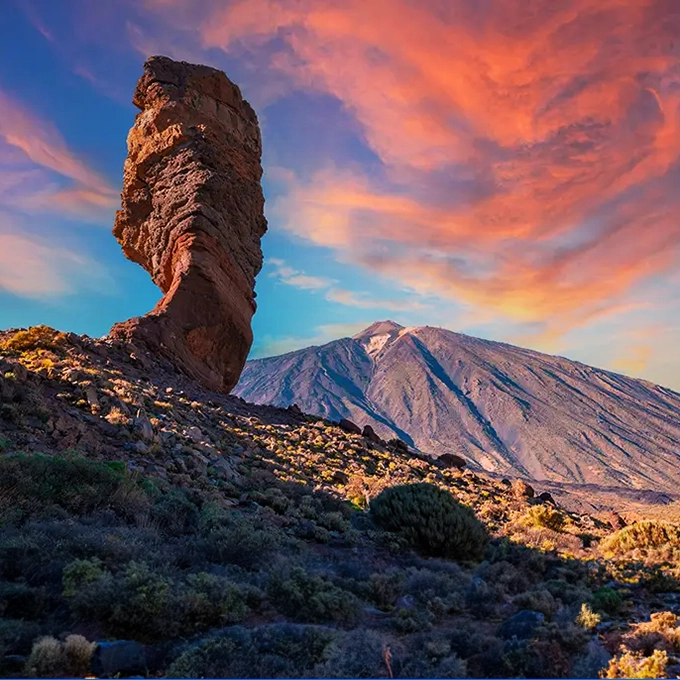
Ветровете в Тенерифе се определят от североизточни пасати - преобладаващите ветрове, които духат през Атлантическия океан и удрят северния и източния бряг на острова. Планината Тейде, висока 3718 м, действа като масивен ветрозащитен блок, поради което южното и западното крайбрежие са значително по-защитени..
На практика това означава:
Сайтът северно и източно крайбрежие (включително Ел Медано, крайбрежието Анага и голяма част от района около Санта Крус) има постоянен вятър, особено през лятото. Това е чудесно за практикуване на ветроходни спортове, но може да направи дните на плажа по-неудобни, ако просто искате да се отпуснете.
Сайтът южно и западно крайбрежие (Коста Адехе, Плая де лас Америкас, Лос Кристианос, Лос Гигантес) са защитени от пасатите. Тези райони са по-спокойни, по-топли и по-слънчеви - точно затова основните туристически курорти са разположени тук.
Това не е просто незначителна разлика. Можете да стигнете за 30 минути с кола от ветровитите брегове на Ел Медано до мъртвите води на Коста Адехе. Това е като да сте на друг остров.
El Médano: Вятърните спортове на Тенерифе
Ако специално търсите вятър, El Médano е мястото. Това спокойно градче на югоизточното крайбрежие, на около 10 минути от летище Тенерифе-юг, е една от най-добрите дестинации в Европа за уиндсърфинг, кайтсърфинг и уингфайтинг.
Това, което прави El Médano специален, е постоянството на вятъра. Североизточните ветрове духат тук около 300 дни годишно, обикновено от 14 до 28 възела, понякога с по-силни пориви. Широкият пясъчен плаж осигурява достатъчно място за спускане, водата е с пясъчно дъно (по-безопасно за начинаещи) и има обособени зони за кайт и уиндсърф, за да се поддържа ред.
El Médano има дълга история в състезателните ветроходни спортове. Той е бил домакин на етапи от Световен тур на PWA (професионален уиндсърфинг) и местни събития като Крал на El Médano състезание по кайтсърфинг. Идентичността на града е изградена около тези спортове - тук има множество училища, магазини под наем и социална сцена, съсредоточена върху плажа и неговите сърф кафенета.
За посетителите, които искат да опитат уиндсърфинг или кайтсърфинг за първи път, училищата в El Médano предлагат уроци за всички нива, обикновено с инструктори, сертифицирани от IKO. Курсът по кайт за начинаещи обикновено продължава 6-9 часа в рамките на няколко дни. За опитните ездачи се предлага оборудване под наем.
Самият град се отличава със спокойна, леко бохемска атмосфера - по-малко излъскана от тази в Коста Адехе, но по-автентична. Има добри ресторанти, седмичен пазар и лесен достъп до близкия природен резерват Монтана Роха.
Спокойната страна: Закътани курорти в южната част на Тенерифе
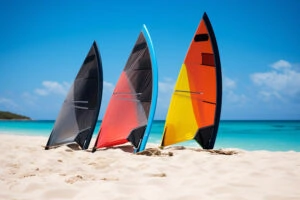
Ако вятърът е последното нещо, което искате по време на почивката си, югозападно крайбрежие е мястото, където трябва да бъдете. Основните курортни зони - Коста Адехе, Playa de las Américas, и Лос Кристианос - се намират в сянката на вятъра, създадена от планините, което означава, че условията са постоянно спокойни.
Коста Адехе е най-престижният от трите курорта, с луксозни хотели, добре поддържани плажове (Playa del Duque, Playa de Fañabé, Playa de Torviscas) и спокойни води, които са идеални за плуване, гмуркане и каране на гребло. През повечето дни морето тук е равно или леко вълнуващо се - съвсем различно от брулените от вятъра води на Ел Медано.
Лос Кристианос има по-традиционен характер и пристанище, което осигурява допълнителен подслон. Основният плаж е обърнат на юг и е добре защитен, което го прави едно от най-спокойните места на острова. Това е и отправната точка за екскурзии с лодка за наблюдение на китове и делфини и фериботи до Ла Гомера.
Playa de las Américas Той се намира между двата града и има по-оживена атмосфера, с добри плажове, които се ползват от същите защитени условия.
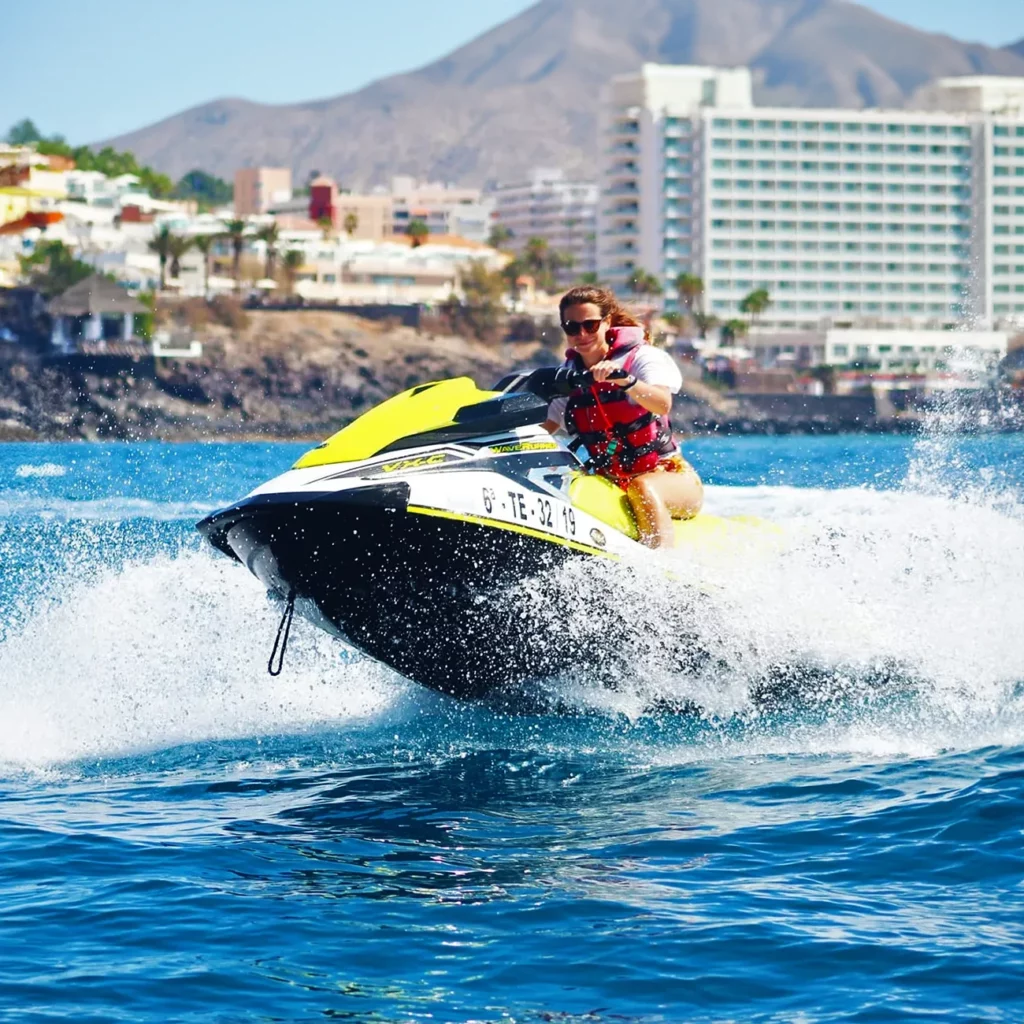
В тези райони се намират повечето от водни спортове в Тенерифе се основават - дейности като обиколки с джет ски, каране на каяк с морски костенурки, парасейлинг и гребане с лодка - всички те работят целогодишно в спокойните води на югозападното крайбрежие.
Кога е най-ветровито в Тенерифе?
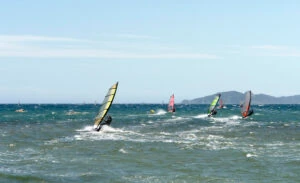
Сайтът най-ветровитите месеци в Тенерифе обикновено са От май до септември, когато пасатите са най-силни и постоянни. Това е основният сезон за уиндсърфинг и кайтсърфинг в El Médano, с надежден вятър почти всеки ден.
От от октомври до април, ветровете са по-слаби и променливи. В Ел Медано все още има много ветровити дни - това е целогодишно място - но условията са по-малко предсказуеми. За уиндсърфистите и кайтсърфистите зимата все още може да донесе добри сесии, но може да се случи и някой спокоен ден.
За всички посетители, които посещават празниците, този сезонен модел всъщност е добра новина. Зимните месеци (когато повечето северноевропейци посещават Тенерифе) обикновено са най-спокойни. И тъй като повечето посетители отсядат в защитените югозападни курорти, вятърът рядко е проблем - дори и през лятото.
Ако планирате пътуването си в зависимост от условията на вятъра, основният извод е прост: останете на юг за спокойствие, посетете El Médano за вятър. Двете преживявания са само на 30 минути път с кола или автобус.
Сравнение на бреговете
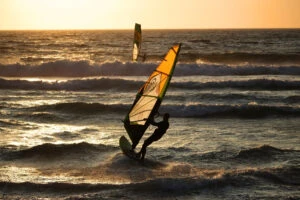
Ето кратка разбивка на това, което можете да очаквате на всеки бряг:
Югоизточна част (район El Médano): Постоянно ветровито, особено от май до септември. Широки пясъчни плажове, силни пасати (обикновено 14-28 възела). Най-подходящи за уиндсърф, кайтсърф и уингфайлинг. По-малко подходящи за спокойни плажни дни, ако не обичате вятъра.
Югозапад (Коста Адехе, Плая де лас Америкас, Лос Кристианос): Защитена и спокойна целогодишно. Топъл, слънчев и идеален за почивка на плажа, плуване и спортове в спокойни води като каране на джет, каяк и гребане. Тук се намира основната туристическа инфраструктура.
Запад (Los Gigantes, Playa de la Arena): Обикновено спокойна и защитена, с драматични скални пейзажи. По-малки и по-тихи курортни зони. Подходящи за по-спокойна алтернатива на по-големите южни курорти.
На север (Пуерто де ла Крус, Санта Крус): Повече вятър и облаци, отколкото на юг, но по-малко постоянни ветрове, отколкото на източното крайбрежие. Северното крайбрежие има по-силни течения и по-големи вълни - някои плажове са по-подходящи за опитни сърфисти, отколкото за обикновено плуване. За сметка на това пейзажът е много по-зелен и по-драматичен.
Североизток (крайбрежие Анага): Див, суров и открит. Красива дестинация за пешеходен туризъм и пейзажи, но не и за плажна почивка - крайбрежието тук е предимно скалисто с ограничен достъп.
Водни спортове в южните курорти
Не е необходимо да ходите в El Médano, за да се наслаждавате на водните спортове в Тенерифе. Спокойното южно крайбрежие е мястото, където се предлага най-широк спектър от дейности, именно защото защитените условия ги правят достъпни за всички - не само за опитните ездачи.
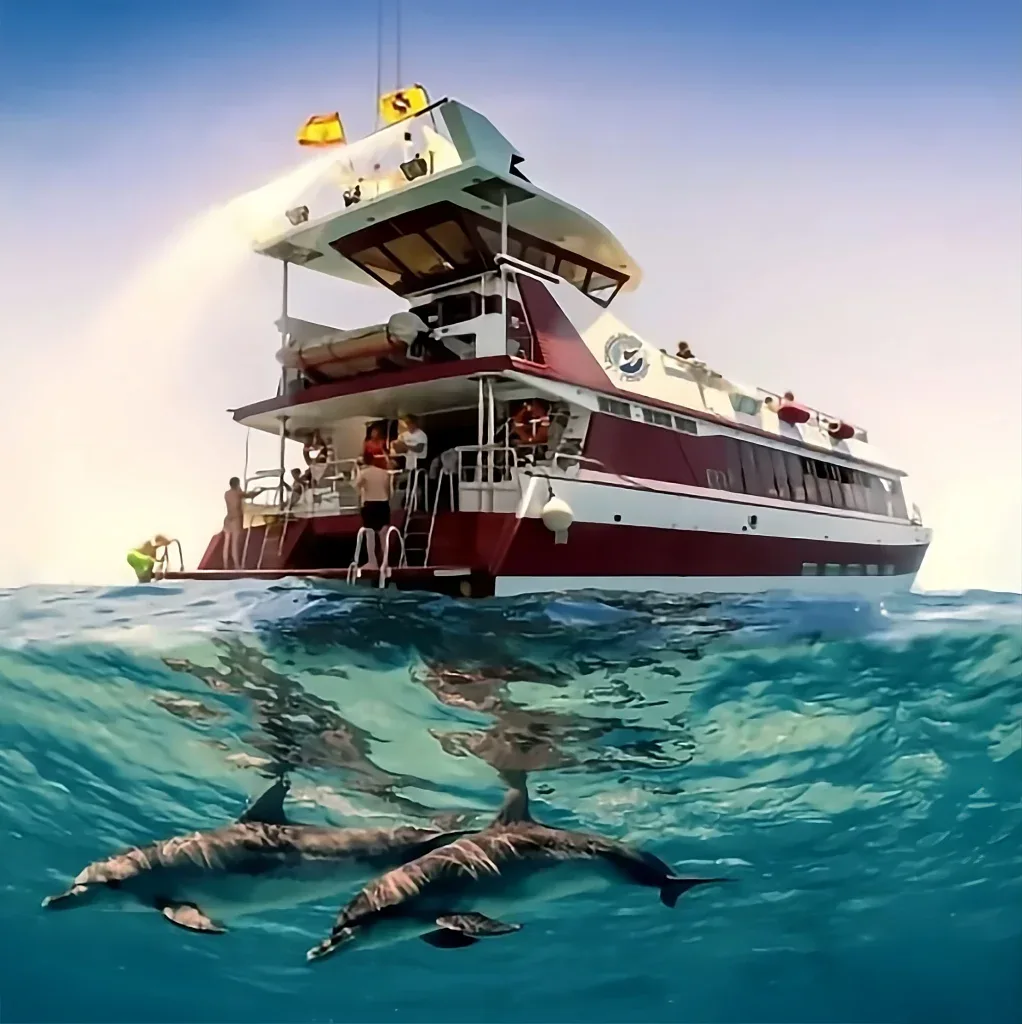
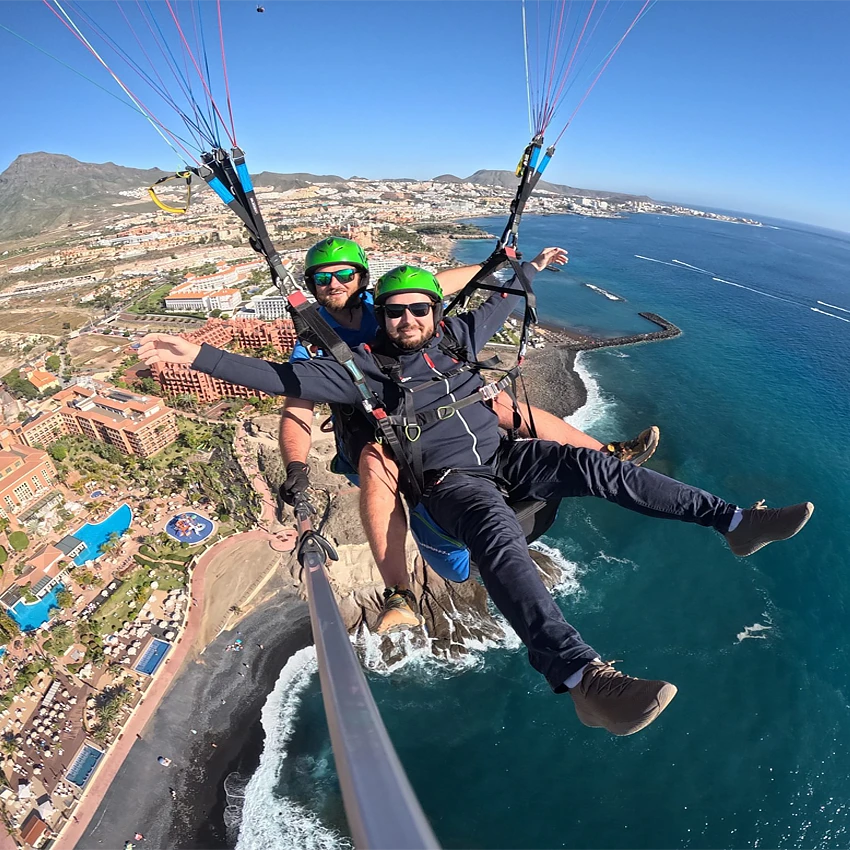
Популярните опции включват обиколки с джет ски по крайбрежието на Коста Адехе, каране на каяк с морски костенурки край южните плажове, парасейлинг с гледка към крайбрежието и планините и гмуркане на места в югозападната част на страната. Екскурзии с лодка са още една забележителност - във водите между Тенерифе и Ла Гомера живеят пилотни китове и бутилконоси делфини, а процентът на наблюденията по време на екскурзиите е много висок.
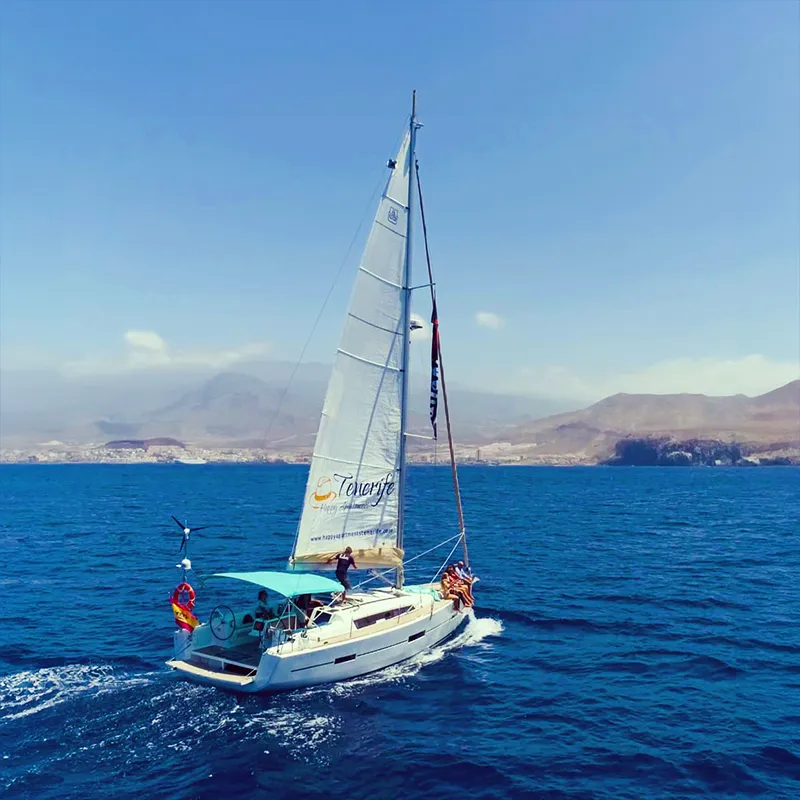
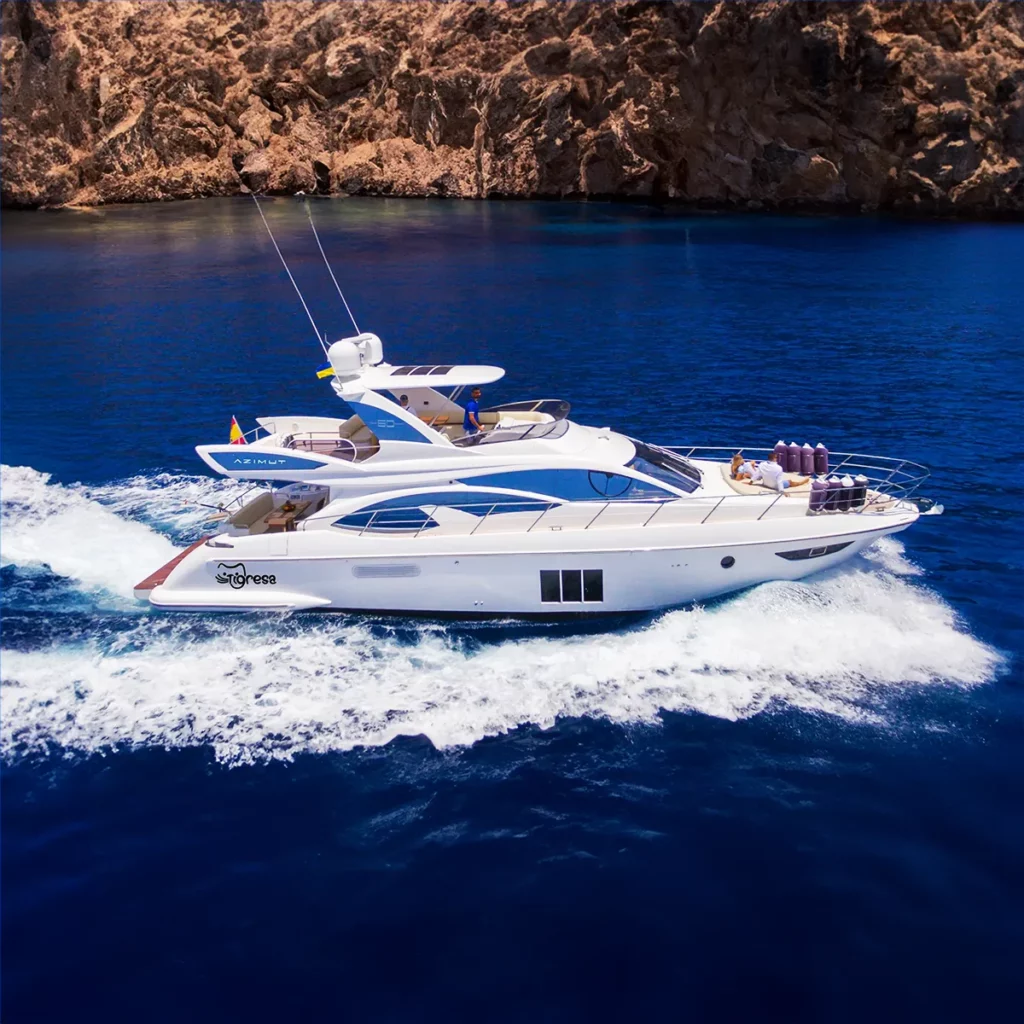
За нещо различно, самостоятелно наемане на лодка (не се изисква лиценз) ви позволява да изследвате крайбрежието със собствено темпо, а частни чартъри за лодки са чудесен вариант за групи или специални поводи.
Хубавото на южното крайбрежие е, че тези дейности се извършват целогодишно, благодарение на постоянно спокойното море и меките температури на водата (19-24°C в зависимост от сезона).
Съвети за плажа при посещение на Тенерифе
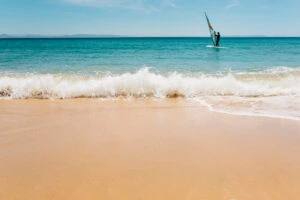
Няколко практични неща, които си струва да знаете за плажовете на Тенерифе:
Слънцезащитата е по-важна, отколкото си мислите. Канарските острови се намират на сравнително ниска географска ширина (28° с.ш.) и индексът на ултравиолетовите лъчи е висок през цялата година - дори в облачни дни и особено през лятото. Носете слънцезащитни продукти с висок фактор и ги нанасяйте отново след плуване. Слънчевите изгаряния тук се случват бързо, особено във ветровити дни, когато вятърът прикрива колко силно е слънцето.
Плажните флагове са там по някаква причина. Червените флагове означават, че не трябва да се плува - това не е предложение, а правило. Южните плажове като цяло са безопасни, но северните и източните плажове могат да имат силни течения и подводно течение. Винаги проверявайте условията, преди да влезете във водата, особено на непознати плажове.
На много плажове има шезлонги и чадъри под наем. Цените на основните плажове в курорта обикновено са от 3 до 6 евро за брой на ден. На някои плажове (като Плая дел Дуке) има по-скъпи предложения.
В Тенерифе има и плажове с черен пясък. Вулканичните плажове, особено по северното и западното крайбрежие, имат забележителен тъмен пясък. Той поглъща повече топлина от златистия пясък, така че ходенето бос по обяд може да е неприятно. Вземете със себе си джапанки.
Разгледайте плажовете извън курорта. Някои от най-красивите места на Тенерифе са встрани от основните туристически маршрути - места като Плая де Бенихо в Анага, естествените басейни на Гарачико или обширната Плая де ла Техита край Ел Медано. С кола под наем или с обиколка с екскурзовод открива целия остров.
Резервирайте водни спортове и екскурзии
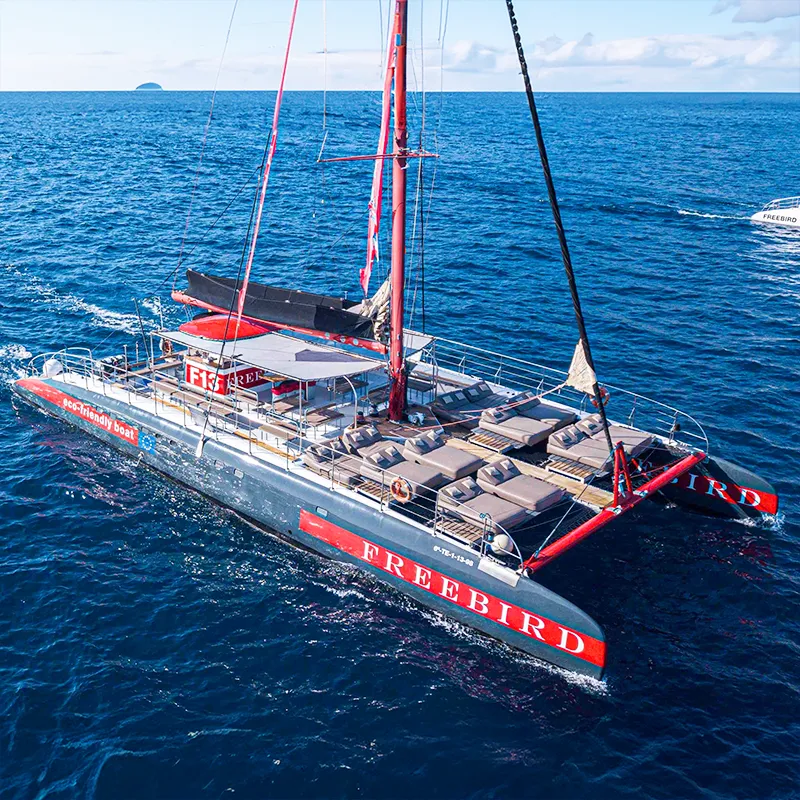
На адрес CanaryVIP, ние предлагаме широка гама от водни спортове, пътувания с лодка, и частни чартъри за лодки по южното крайбрежие на Тенерифе. Независимо дали става дума за обиколка с джет, a круиз с платноходка по залез слънце, или приключение с каяк и костенурки, всяка резервация се предлага с нашите Гаранция за най-добра цена и повечето дейности включват вземане от хотела.

Топ дейности: