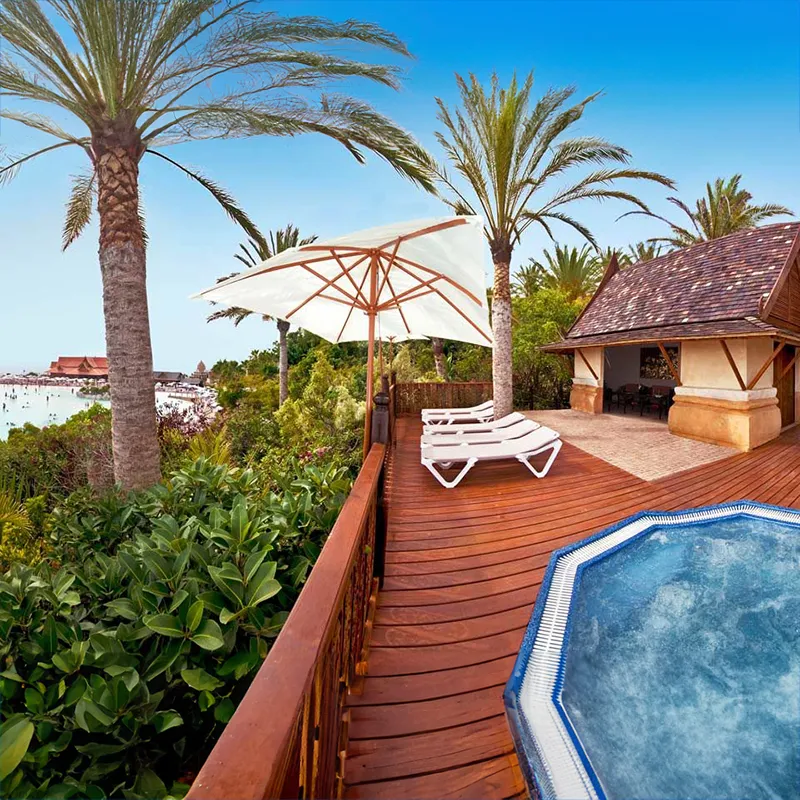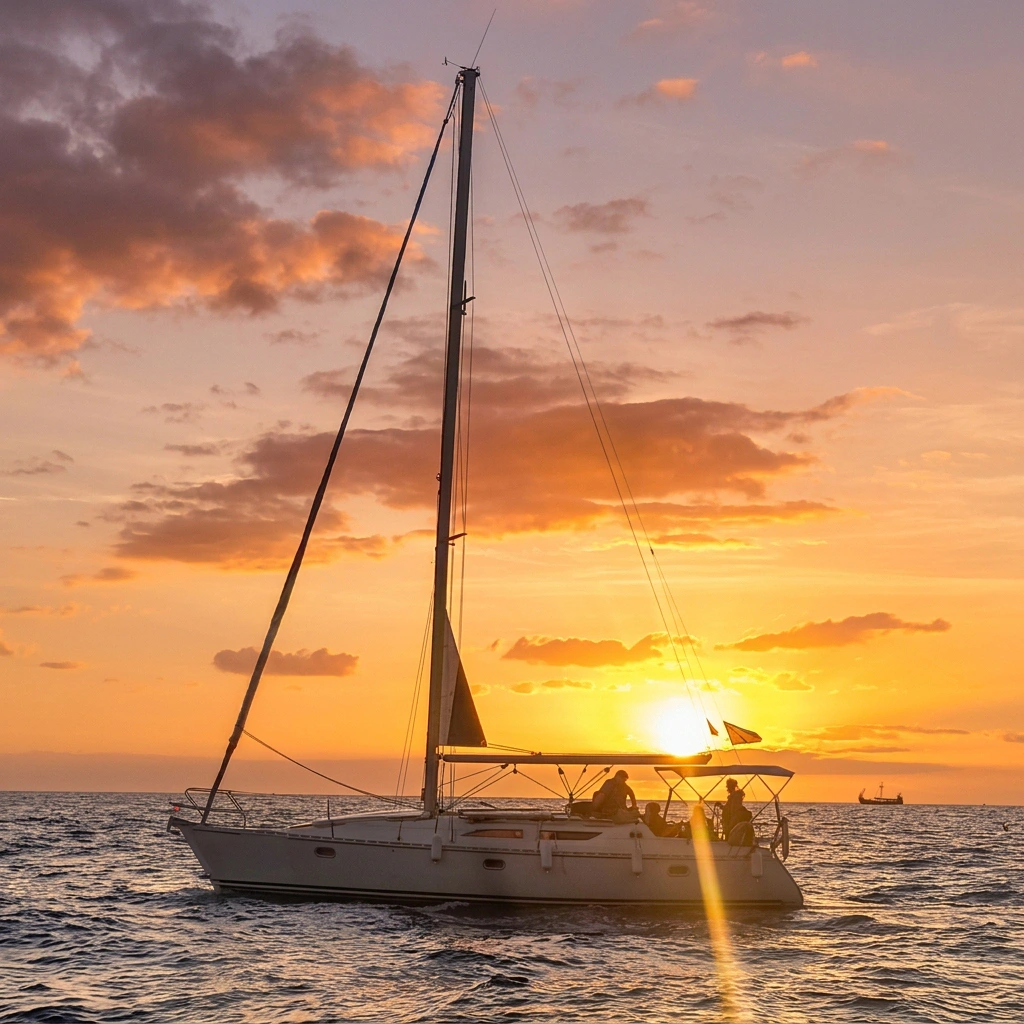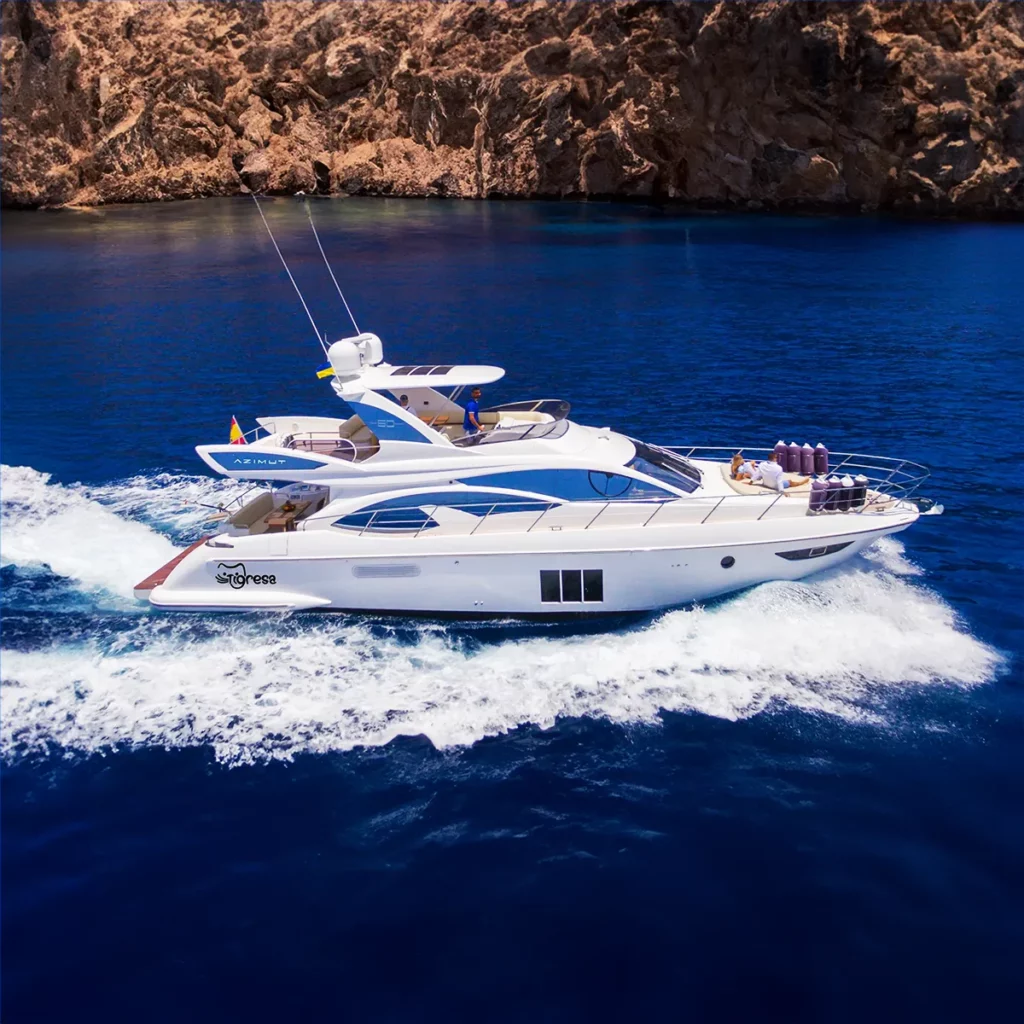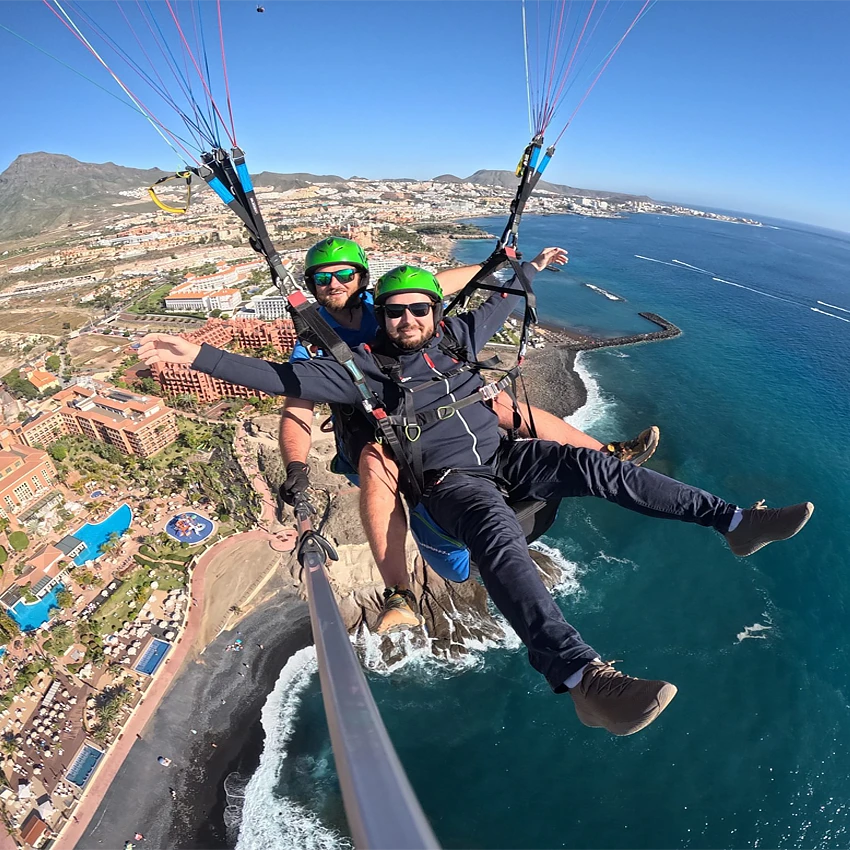
Az CanaryVIP felejthetetlen kalanddá varázsolja a Kanári-szigeteki látogatást exkluzív kirándulásokkal, magával ragadó túrákkal és izgalmas tevékenységekkel, kivételes szolgáltatásokkal, verhetetlen árakkal és személyre szabottan.
Tippek a tenerifei tömegközlekedésben való navigáláshoz, mint egy profi
Tenerife bejárása busszal és villamossal: Tenerife: Gyakorlati útmutató
Tenerife meglepően jó tömegközlekedési hálózattal rendelkezik egy ekkora szigethez képest. A buszrendszer - amelyet a TITSA - gyakorlatilag az egész szigetet lefedi, a déli tengerparti üdülőhelyektől az északi hegyi falvakig. Van egy kétvonalas villamos (amelyet a Metrotenerife üzemeltet), amely Santa Cruzt La Lagunával köti össze.
Akár a repülőtérről szeretne eljutni a szállodába, akár a Teide Nemzeti Parkot szeretné meglátogatni autóbérlés nélkül, vagy egyszerűen csak pénzt szeretne megtakarítani a napi közlekedésen, ez az útmutató tartalmazza mindazt, amit valójában tudnia kell.
Az alapok: Buszok és villamosok
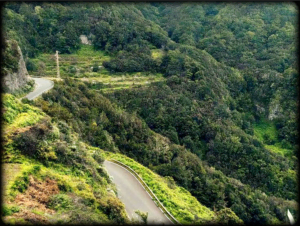
TITSA buszok - helyi nevén guaguas (ejtsd: “wah-wahs”) - a közlekedés fő módja. A flotta modern, légkondicionált, és a jellegzetes zöld színű festésnek köszönhetően könnyen felismerhető. A legtöbb busz akadálymentesített, és többé-kevésbé pontosan közlekedik.
A turisták által leggyakrabban használt főbb útvonalak a következők 110-es út (Costa Adeje és Santa Cruz között az autópályán keresztül - a fő szigetközi expresszjárat), 40-es út (amely a Tenerife déli repülőteret köti össze Playa de las Américasszal, Costa Adejével és Los Cristianosszal, és 30-40 percenként közlekedik), és 343-as út (délről a Teide Nemzeti Parkig). Északról, 102-es útvonal Santa Cruz és Puerto de la Cruz között közlekedik.
A villamos hasznos, ha a Santa Cruz-La Laguna térségében tartózkodik. Két vonalon közlekedik, és része a Ten+ kártyarendszernek (erről bővebben alább). Ezen a folyosón kívül azonban minden a buszokról szól.
A TITSA és a Metrotenerife egyaránt rendelkezik alkalmazásokkal és weboldalakkal, amelyek valós idejű követést, útvonaltervezést és menetrendi információkat tartalmaznak. A TITSA alkalmazás különösen érdemes letölteni utazás előtt - segítségével megtervezheti az útvonalakat, ellenőrizheti az élő érkezési időket, és becsült viteldíjakat láthat.
Hogyan kell fizetni: A Ten+ kártya

Tenerifén a legokosabb módja a buszok és villamosok használatáért való fizetésnek a következő Tíz+ kártya (néha “Tenmas”-nak írják). Így működik:
A fizikai kártya ára €2 és megvásárolható a TITSA buszpályaudvarokon, villamosmegállókban, a két repülőtéren található automatákból, valamint a sziget különböző engedélyezett értékesítési pontjain. A tenerifei déli repülőtéren egy Lycamobile üzlet is árulja ezeket a termékeket, közvetlenül a poggyászkiadás után.
Ha már megvan a kártya, töltsd fel hitelkártyával - minimum 5 €, maximum 100 €, 5 €-os lépésekben. Minden alkalommal, amikor felszáll a buszra, megérinti a kártyát az olvasón. A viteldíjakat automatikusan levonják a kedvezményes ár: rövid utakra nagyjából 20%, hosszabb utakra pedig akár 30% kedvezményt is kaphat a készpénzfizetéshez képest. Például a Costa Adeje és Santa Cruz közötti útvonal (110-es vonal) körülbelül 9,45 euróba kerül készpénzben, de a Ten+ kártyával csak 6,25 euróba.
Használhatja a Ten+ Móvil alkalmazás a telefonján a fizikai kártya helyett - ugyanúgy működik, és megspórolja a 2 eurós kártyadíjat.
Turista napi- és hetijegyek szintén rendelkezésre állnak: a 1 napos korlátlan bérlet ára 10 € és egy A 7 napos korlátlan bérlet 50 euróba kerül. Ezek a TITSA összes buszára és a villamosra vonatkoznak az egész szigeten, beleértve a Teide és Teno útvonalakat is. Az első érintéstől aktiválódnak, és a fizikai Ten+ kártyára vagy az alkalmazásra tölthetők fel.
Ha inkább nem szeretne kártyával bajlódni, akkor egyszerűen csak közvetlenül a járművezetőnek fizet - készpénz és érintésmentes bankkártyák elfogadottak. Az egyszeri jegyárak az útvonaltól függnek. Az egynapos menettérti jegyek 20 km-nél hosszabb út esetén 10% kedvezményt biztosítanak.
Egy fontos részlet: 5 év alatti gyermekek ingyen utazhatnak. A nagyobb gyermekek után a turisták a normál viteldíjat fizetik (kedvezményes gyermekkártyát csak a helyi lakosok kapnak).
Kulcsútvonalak a turisták számára

A következő útvonalakat a legtöbb látogató hasznosnak találja majd:
40-es út: Tenerife South Airport → Playa de las Américas → Costa Adeje → Los Cristianos. Valószínűleg ezzel fogsz először utazni - ez a járat 30-40 percenként közlekedik kora reggeltől körülbelül 22 óráig, és összeköti a repülőteret az összes főbb déli üdülőhellyel.
110-es út: Costa Adeje → Santa Cruz (expressz autópályán keresztül). A leggyorsabb módja a sziget átszelésének, hasznos egynapos kirándulásokhoz a fővárosba vagy a La Lagunába tartó villamoshoz való csatlakozáshoz.
102-es út: Santa Cruz → Puerto de la Cruz. A fő északi parti útvonal, gyönyörű tájakon keresztül.
343-as út: Costa Adeje → Teide Nemzeti Park. Festői hegyi útvonal - ne feledje, hogy a járatok ritkábban közlekednek, ezért alaposan ellenőrizze a menetrendet, és tervezze meg a visszaútját.
711-es út: A repülőtér folyosóján közlekedő éjszakai busz - praktikus a későn érkező vagy korán induló utasok számára.
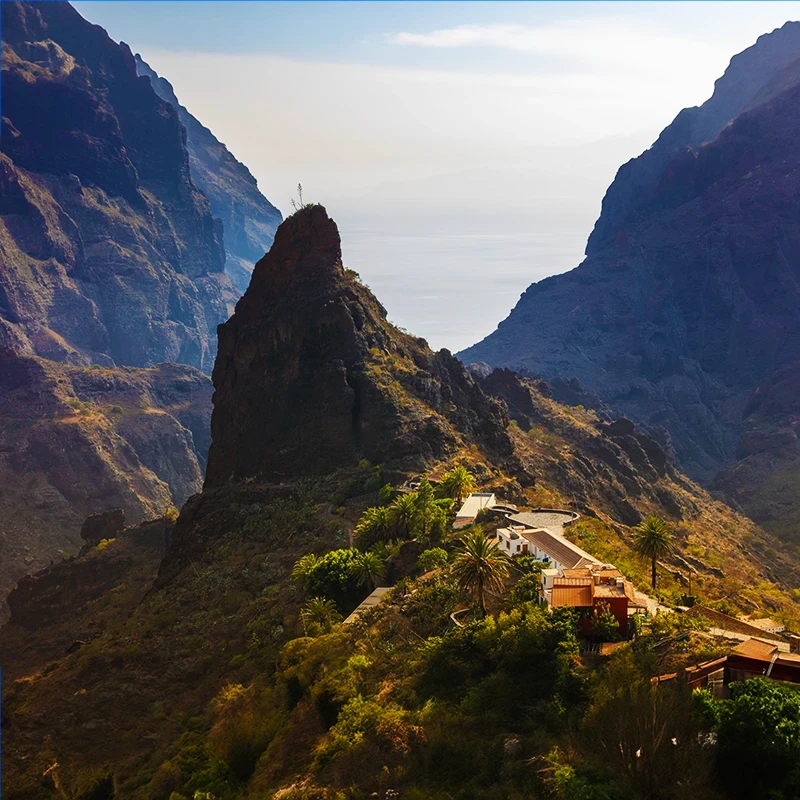
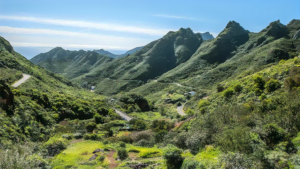
Az olyan távoli területeken, mint az Anaga-hegység, Masca vagy néhány kisebb északi falu, buszjáratok közlekednek, de ritkán. Ezekben az esetekben a busz és a idegenvezetés praktikus alternatíva lehet - Ön megkapja a szállítást, egy hozzáértő idegenvezetőt, és nem kell aggódnia a visszaút menetrendje miatt.
Megéri autó nélkül közlekedni?

Az őszinte válasz: attól függ, hogy milyen utazást szeretne.
Ha a Dél (Costa Adeje, Playa de las Américas, Los Cristianos), és a terved főleg strandok, kirándulások, éttermek, esetleg egy napos kirándulás a Teide vagy Santa Cruz szigetére, a buszhálózat mindezt jól kezeli. Nincs szükséged autóra. A fő üdülőhelyi területek jól összeköttetésben vannak, és az olyan különleges tevékenységekhez, mint például a hajókirándulások, vízi sportok, vagy vidámparkok, a legtöbb szolgáltató egyébként is felajánlja a szállodától való elszállítást.
Ha szeretné felfedezni a vidéki észak, kanyargós hegyi utakat vezetni, rejtett strandokat meglátogatni, vagy szabadon mozogni több terület között egyetlen nap alatt, egy bérelt autó sokkal nagyobb rugalmasságot biztosít. A busszal eljuthat a főbb városokba, de a távolabbi és festői szépségű helyekre - Masca falu, az Anaga erdei ösvények, a TF-436-os hegyi út - vagy rosszul, vagy egyáltalán nem közlekedik tömegközlekedéssel.
Egy jó középút: használja a buszokat a napi üdülőhelyi utazáshoz, és foglaljon konkrét dzsiptúrák vagy vezetett buszos túrák azokra a napokra, amikor távoli területeket szeretne látni. Így elkerülheti a bérautó költségeit és a bosszúságot, miközben a sziget legszebb részeit is megismerheti.
Gyakorlati tippek
Néhány dolog, amit érdemes tudni, mielőtt felpattansz az első guaguára:
Koppints be és koppints ki. Ha a Ten+ kártyát vagy turista bérletet használja, ne feledje, hogy fel- és leszálláskor is meg kell koppintania. Ha elfelejti a koppintást, akkor az adott útvonalra vonatkozó maximális viteldíjat kell fizetnie.
A buszsofőrök elfogadják az érintés nélküli fizetést de nehézségekbe ütközhet a nagy összegű bankjegyek visszaadása. Ha készpénzzel fizet, próbáljon meg érméket vagy kis címleteket készenlétben tartani.
A TITSA honlapjának angol nyelvű változata korlátozott. Több tapasztalt utazó ajánlja, hogy a spanyol nyelvű változatra váltson, mert így teljesebb információkat kap, különösen a viteldíjakról és a menetrendekről. A Google Translate áthidalhatja a szakadékot.
A csúcsidőn kívüli utazás kényelmesebb. A népszerű útvonalakon (különösen a 110-es és a 40-es útvonalon) a reggeli és esti csúcsidőben, valamint hétvégén a buszok zsúfoltak lehetnek. A délelőtti vagy kora délutáni utazások általában csendesebbek.
Tartsa biztonságban a holmiját, különösen a forgalmasabb útvonalakon és Santa Cruz és Costa Adeje fő buszpályaudvarain.
A hegyvidéki útvonalak esetében előzetesen ellenőrizze a menetrendeket. A Teide és Teno felé közlekedő járatok sokkal ritkábban járnak, mint a tengerparti útvonalak. Ha lekéssük az utolsó buszt, az nagyon drága taxizást jelent.
Gyakran ismételt kérdések
El lehet jutni Tenerifén autó nélkül? Igen - a TITSA buszhálózat az összes főbb üdülőhelyet, repülőteret és a legtöbb turisztikai látványosságot lefedik. A távoli hegyvidéki területeken a legjobb élmény érdekében kombinálja a buszokat vezetett túrákkal.
Mennyibe kerül a busz Tenerifén? Az egyszeri menetdíjak rövid utak esetén 1,25 eurótól a hosszú, szigetközi utak esetén 13 eurónál magasabb összegig terjednek (készpénzes árak). A Ten+ kártyával 20-30% kedvezményt kaphat ezekből a viteldíjakból. A turista napijegyek (10 €) és a heti bérletek (50 €) korlátlan utazást biztosítanak.
Hol vásárolhatok Ten+ kártyát? Mindkét repülőtéren (automaták az érkezési pontok közelében), a TITSA buszpályaudvarokon, a villamosmegállókban, valamint különböző kioszkokban és engedélyezett üzletekben. Letöltheti a Ten+ Móvil alkalmazást is, és teljesen digitálisan használhatja.
Járnak a tenerifei buszok éjszaka? A legfontosabb útvonalakon (például a repülőteret kiszolgáló 711-es útvonalon) korlátozott éjszakai járatok közlekednek. A legtöbb menetrend szerinti járat este 10-11 óra körül szünetel. Az utolsó buszok pontos időpontját a TITSA alkalmazáson vagy a weboldalon találja.
Megéri a heti bérlet? Ha naponta több buszos utazást tervez - például napi kirándulást a tengerpartra, valamint egy Teide-kirándulást és egy napot Santa Cruzban -, az 50 eurós heti bérlettel pénzt takaríthat meg. Ritkább használat esetén általában költséghatékonyabb, ha 20-30 €-t feltölt egy normál Ten+ kártyára.
Fedezze fel Tenerifét az CanaryVIP-vel
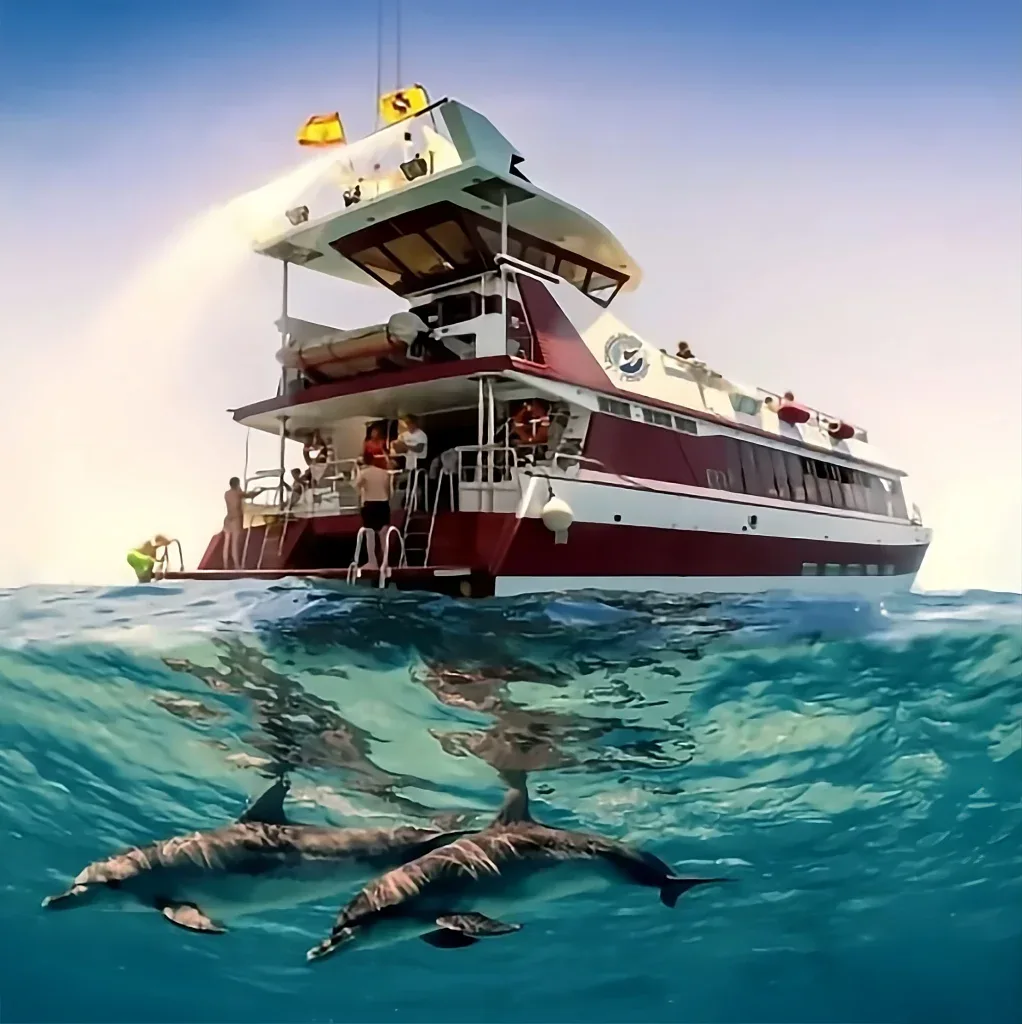
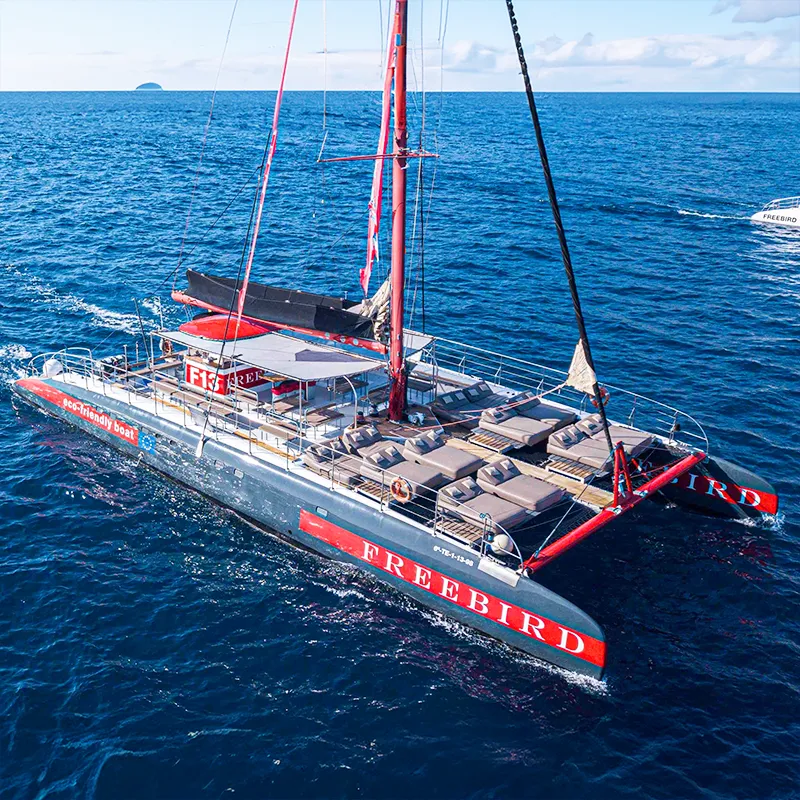
Míg a buszhálózat kiválóan alkalmas a mindennapi közlekedésre, Tenerife legjobb élményei közül néhányat könnyebb szervezett kirándulások keretében élvezni. A weboldalon CanaryVIP, tevékenységek széles skáláját kínáljuk a szigeten - a következőkből bálnafigyelő hajókirándulások és magánhajó charterek a címre. Teide quad szafari, vidámparki jegyek, és esti műsorok.
A legtöbb kirándulásunk a következőket tartalmazza szállodai transzfer, így nem kell aggódnia a buszjáratok és menetrendek miatt. Minden foglaláshoz jár a mi Legjobb ár garancia - ha ugyanazt a tevékenységet máshol olcsóbban találja, mi megegyezünk vele.
Böngésszen teljes kínálatunkban, és foglaljon előre, hogy biztosítsa a kívánt időpontokat:
Lásd az összes tenerifei kirándulás és tevékenység →
További utazási tippekért és szigetkalauzokért látogasson el a következő weboldalra az CanaryVIP blog.

Top tevékenységek: